
The 1920s: The Roaring Twenties and the Jazz Age
A concise overview of the 1920s, covering major social, cultural, economic and technological changes, key events and lasting influence of the decade known as the Roaring Twenties.
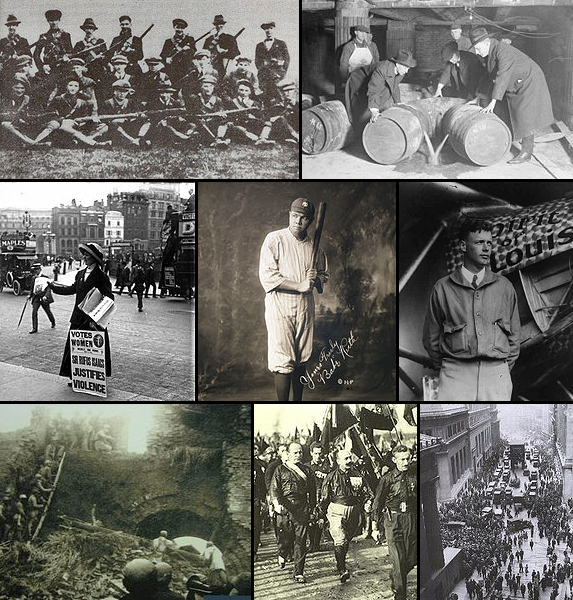
The 1920s, the decade from January 1, 1920, to December 31, 1929, is widely remembered as the Roaring Twenties or the Jazz Age. It was a period of rapid social change, cultural experimentation and technological adoption in many parts of the world. Economic expansion, new mass-consumer habits and shifting social norms combined with artistic innovation to give the decade a distinctive character. For an overview of its cultural reputation, see Roaring Twenties.
Image gallery
10 Images


Key characteristics
The decade featured several interrelated developments that shaped everyday life and public imagination:
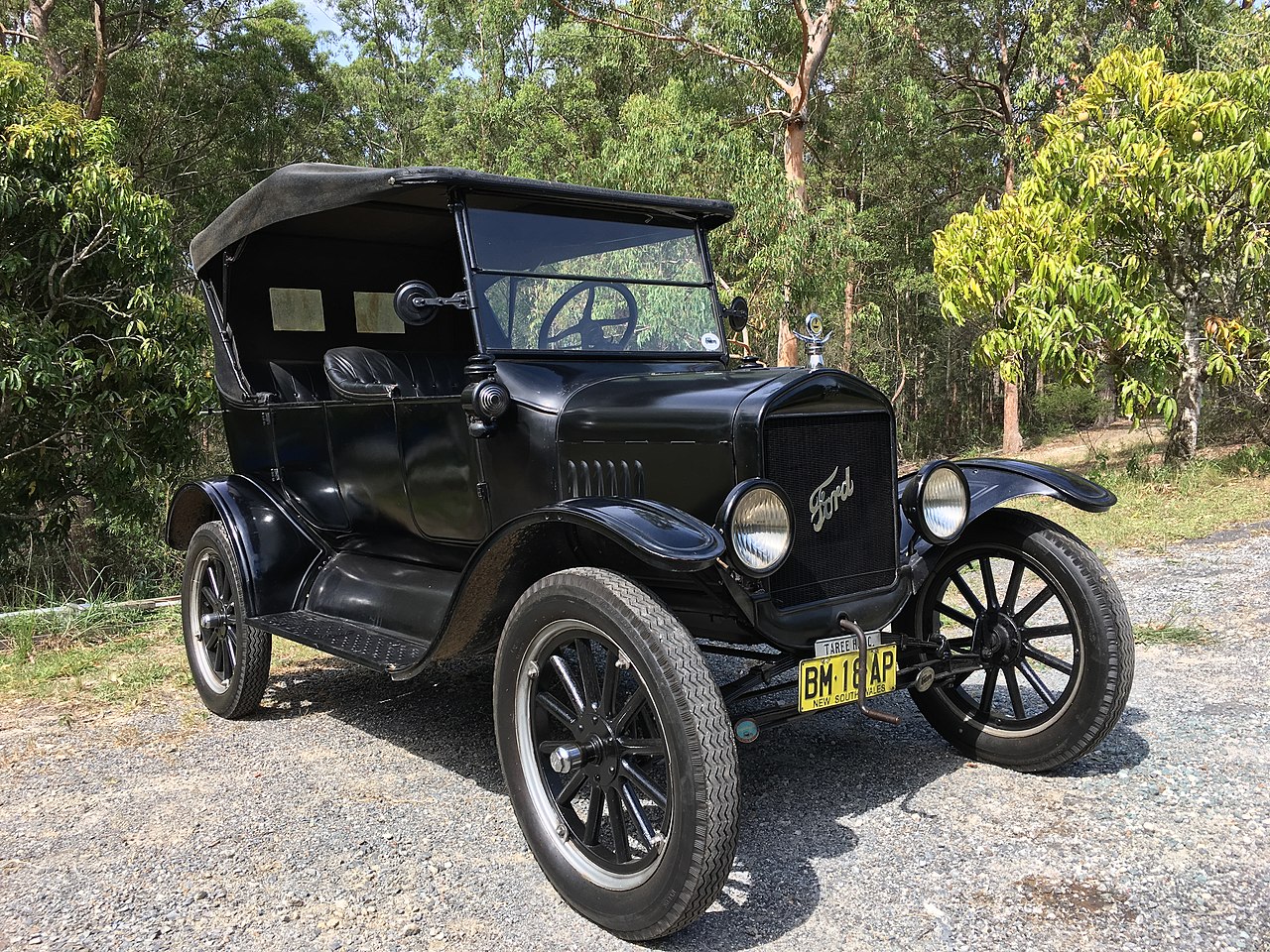
- Economic growth and consumerism: Mass production, especially of automobiles and household appliances, expanded consumer markets.
- Technological and media advances: Radio broadcasting, recorded music, and cinema reached broad audiences and helped spread new cultural forms.
- Social change: Urbanization, greater mobility, the emergence of youth culture and changing gender roles, visible in new fashions and social behaviors.
- Prohibition and its effects: In the United States, the ban on alcohol reshaped nightlife and stimulated organized crime, while gambling and speakeasies became part of the urban scene.
Culture, arts and ideas
Artists and intellectuals experimented with modernist forms. Jazz and blues, often cultivated in African American communities, influenced mainstream music. The Harlem Renaissance and other cultural movements celebrated new voices in literature, visual art and performance. Art Deco and modernist architecture reflected the era's aesthetic optimism.
Political and economic turning points
The decade ended with the global impact of the 1929 Wall Street crash, which helped trigger the Great Depression. Politically, the period saw shifts in international relations after World War I, debates over social policy at home, and the extension of voting rights in several countries that changed public life and representation.
Legacy: The 1920s left a mixed inheritance—lasting innovations in mass culture and technology, profound social change, and a dramatic economic collapse that shaped political and economic policy for decades. Its blend of exuberance and turbulence continues to fascinate historians and the public alike.
Related articles
Author
AlegsaOnline.com The 1920s: The Roaring Twenties and the Jazz Age Leandro Alegsa
URL: https://en.alegsaonline.com/art/111926