
James Broun-Ramsay, 1st Marquess of Dalhousie
Scottish statesman and Governor-General of India (1848–1856). He modernized infrastructure and administration, introduced the doctrine of lapse, enacted social reforms, and remains controversial for annexations.
Overview
James Andrew Broun-Ramsay, 1st Marquess of Dalhousie (1812–1860) was a Scottish politician who served as Governor-General of India from 1848 to 1856. His tenure combined energetic modernization of the subcontinent's communications and transport with a forceful policy of expansion by annexation. Dalhousie is remembered both for infrastructure projects that shaped modern India and for political doctrines that provoked deep resentment among Indian rulers and subjects.
Image gallery
5 Images


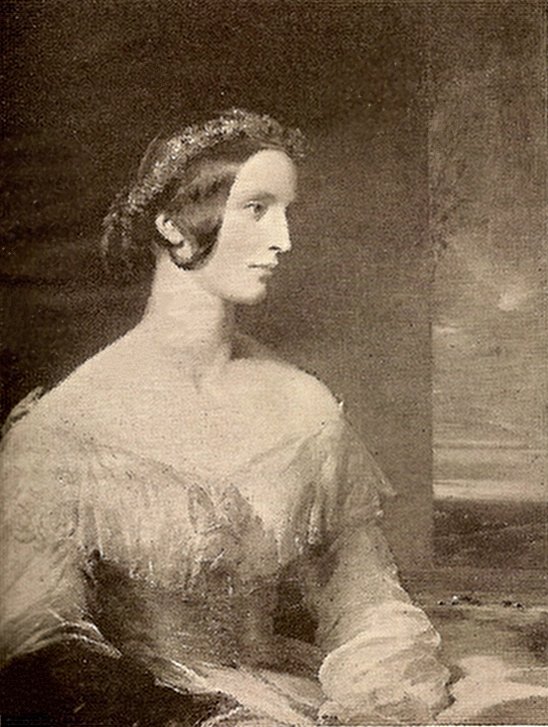
Early career and appointment
Dalhousie had a background in British parliamentary and colonial administration before his arrival in India. Appointed to the highest executive office in British India, he arrived with a clear program of reform: to streamline government, improve revenue collection, and open the colony to new technologies and commercial links. Contemporary records and later assessments cite him as an energetic administrator with a prescriptive view of imperial governance. For basic biographical details see biographical summary.
Administrative reforms and modernization
During Dalhousie’s administration the foundations of several modern systems were laid. He promoted the construction of railways and supported the first passenger line linking Bombay and Thane. He championed the expansion of the telegraph, improvements in the postal service, and better roads and irrigation schemes. These projects were intended to accelerate communication, troop movement and trade, and to bind the diverse territories under firmer administrative control. Dalhousie also encouraged measures to regularize civil administration and revenue collection, and he took an active interest in legal and social legislation, including the passage of the Hindu Widows' Remarriage Act in 1856.
Doctrine of lapse and annexations
One of Dalhousie’s most controversial policies is known as the "doctrine of lapse." Under this principle the East India Company refused to recognize the succession of rulers in some princely states where there was no direct male heir, effectively permitting annexation. Several states were absorbed into British territory under this policy. Notable cases often cited in contemporary debates include the annexation of Jhansi and the incorporation of Oudh (Awadh), the latter justified on administrative grounds by Company officials. The doctrine altered longstanding practices around adoption and succession in affected states and was deeply resented by many Indian elites and populations.
Consequences and controversy
Dalhousie’s mixture of reform and expansion had mixed results. His infrastructure projects had long-term benefits for commerce and governance, while his political and legal interventions disrupted traditional authorities and social practices. Historians and commentators link the alienation caused by annexations and administrative intrusions to the broader atmosphere of distrust and grievance that contributed to the Indian uprising of 1857, although the uprising had many complex causes. Assessments of Dalhousie therefore vary: some praise his efficiency and forward-looking investments, others critique his imperial assertiveness and cultural insensitivity.
Legacy and notable facts
- Tenure as Governor-General: 1848–1856; created lasting institutions for transport and communications.
- Social reform: supported legislation such as the Hindu Widows' Remarriage Act (1856), addressing aspects of personal law.
- Political doctrine: the doctrine of lapse became a shorthand for expansionist policy and is central to debates about 19th-century British rule in India.
For further reading on Dalhousie’s policies and their reception in Britain and India, consult general historical surveys of British India or institutional biographies listed at reference and at the official record of Governors-General office list.
Related articles
Author
AlegsaOnline.com James Broun-Ramsay, 1st Marquess of Dalhousie Leandro Alegsa
URL: https://en.alegsaonline.com/art/49189