
Irritator — a spinosaurid theropod from the Early Cretaceous of Brazil
Irritator is a spinosaurid theropod known from the Lower Cretaceous Romualdo Formation of Brazil. Noted for a long, narrow snout, conical teeth and a distinctive nasal crest, its fossils reveal piscivorous adaptations.
Overview
Irritator is a genus of spinosaurid theropod dinosaur first described from fossils recovered in northeastern Brazil. It lived during the Early (Lower) Cretaceous period and is known primarily from remains found in the Romualdo Formation, a fossil-bearing rock unit famous for exceptionally preserved vertebrate material. The animal is recognized for its elongated, low snout and conical teeth, traits that are commonly interpreted as adaptations for catching fish and other aquatic prey.
Image gallery
10 Images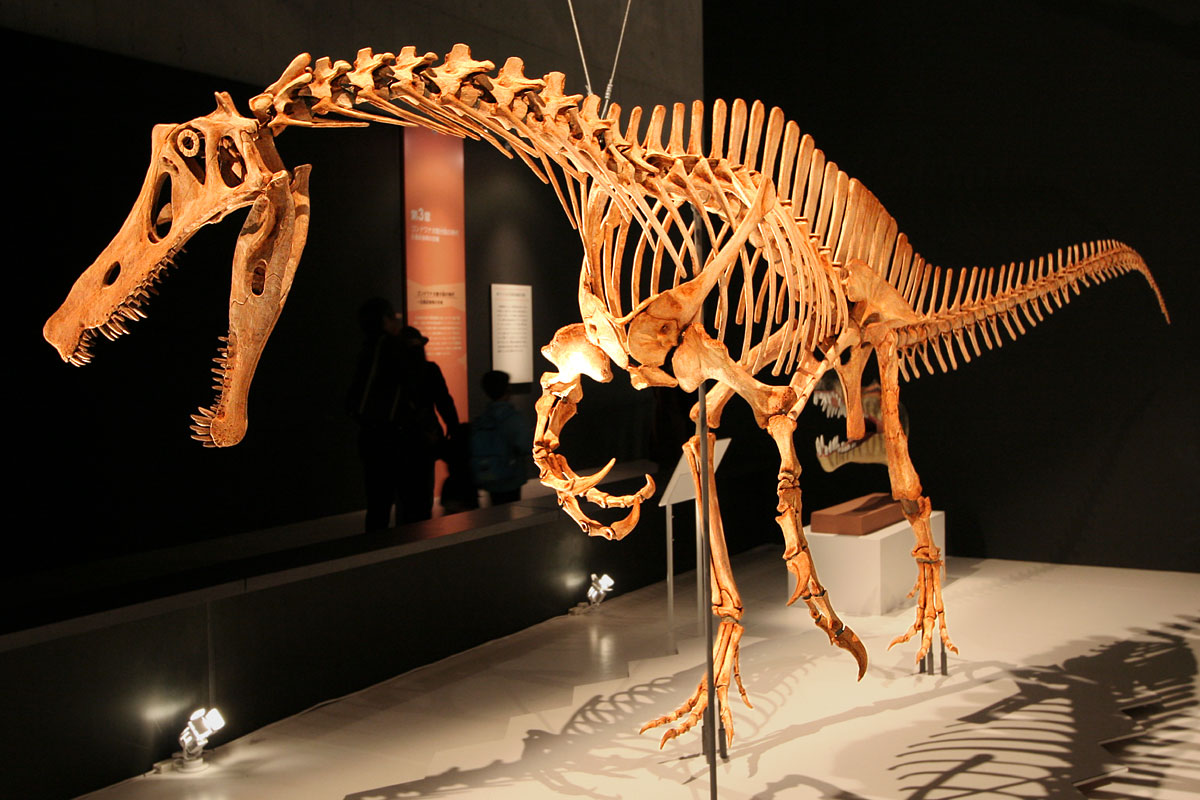




Physical characteristics and adaptations
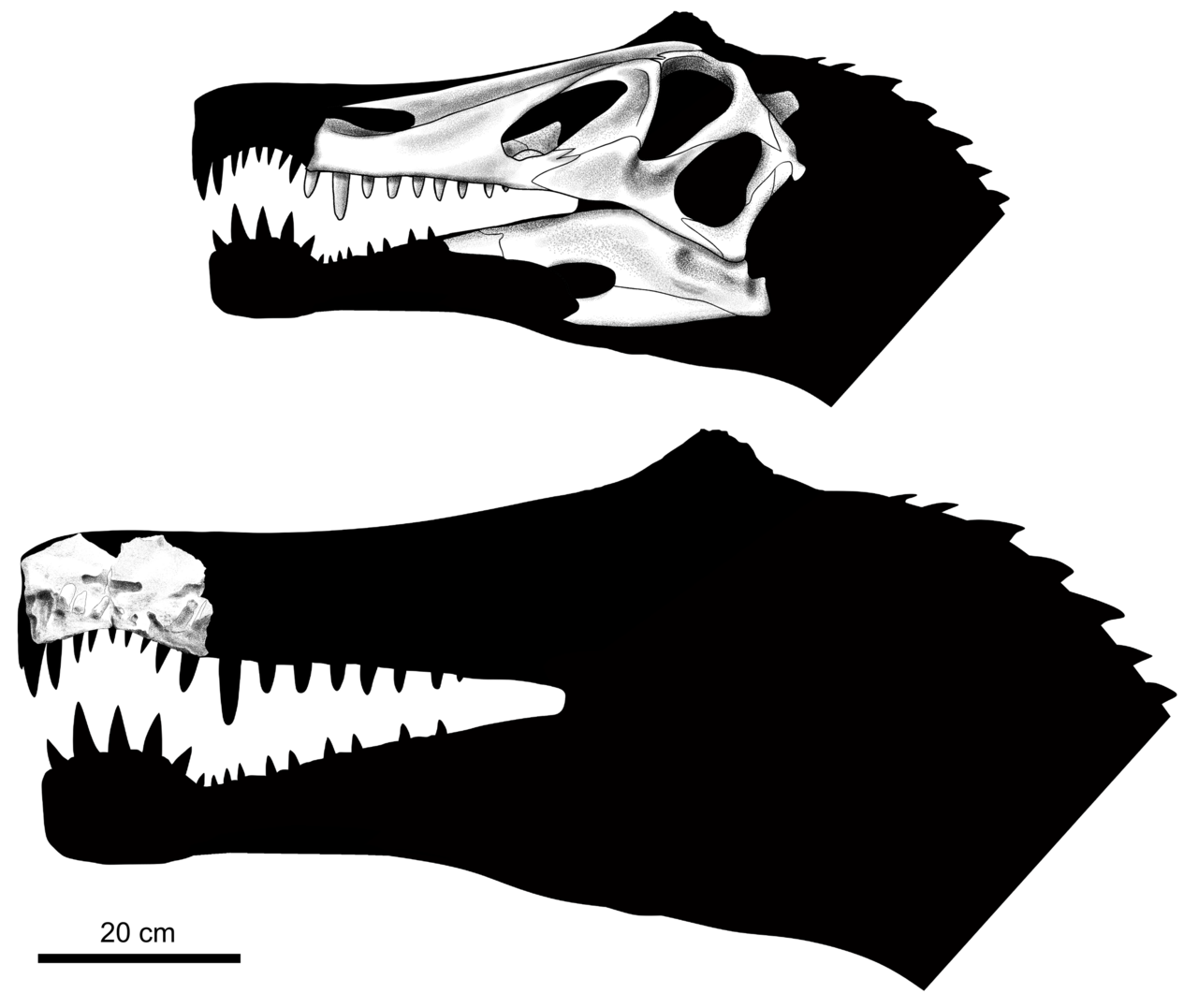
Irritator possessed a long, narrow rostrum with relatively straight, cone-shaped teeth rather than the blade-like serrated teeth typical of many other theropods. Its jaws were slender and low, and the external nares (nostrils) were set well back from the tip of the snout—an arrangement that, together with tooth shape, suggests a piscivorous diet. A narrow crest formed on the midline of the skull by the nasal bones is another notable feature. Although complete skeletons are lacking, available material indicates a body plan similar to other spinosaurids: a theropod outline modified by rostral specializations and likely powerful forelimbs compared with many other predators of the same era.
Discovery, naming, and provenance
Fossils of Irritator were discovered in the Romualdo Formation, part of the Santana Group in Brazil, a region that has yielded a rich assemblage of fish, pterosaurs, and dinosaurs. The name "Irritator" reflects the frustration of the describing scientists after they discovered that parts of the skull had been altered and repaired by commercial fossil traders; plaster and other substances had been used to fill and reshape the specimen before it reached researchers. The genus includes a named type species that anchors its identity and classification within Spinosauridae.
Paleoecology and behavior
Evidence from skull shape and tooth morphology supports the interpretation that Irritator fed substantially on aquatic prey such as fish, although it probably was an opportunistic predator capable of taking other small vertebrates. Like other spinosaurids, it may have spent considerable time near rivers, lagoons, or coastal environments. Debate continues among paleontologists about how specialized spinosaurids were for a semi-aquatic lifestyle; some reconstructions emphasize wading or shoreline foraging, while others favor more generalized terrestrial abilities combined with piscivory.
Scientific importance and notable facts
Irritator has been important for understanding spinosaurid diversity in Gondwana during the Early Cretaceous and for illustrating the impacts of the fossil trade on scientific study. The altered condition of early specimens underscores the need for careful documentation and, when possible, field-collected material. The nasal crest of Irritator is relatively modest compared with some other theropods, but it contributes to discussions about display, species recognition, or biomechanical roles in spinosaurids.
Further reading and resources
- Taxonomic overview and genus entry
- Spinosauridae family summary
- Theropod dinosaurs general information
- Dinosaur diversity in the Cretaceous
- Lower Cretaceous stratigraphy and context
- Romualdo Formation fossil records
- Skull anatomy and crest structures
- Comparative skull morphology
- Fossil preparation, trade, and ethics
For readers seeking visual comparison with other spinosaurids or more technical descriptions of available material, consult detailed monographs and regional paleoarchives linked above. The history of Irritator's discovery also serves as a cautionary example about provenance and restoration when interpreting fragmentary fossil specimens.
Related articles
Author
AlegsaOnline.com Irritator — a spinosaurid theropod from the Early Cretaceous of Brazil Leandro Alegsa
URL: https://en.alegsaonline.com/art/48266
Sources
- osf.io : "Semi-aquatic adaptations in a spinosaur from the Lower Cretaceous of Brazil"
- doi.org : 10.1016/j.cretres.2018.04.024
- worldcat.org : 0195-6671
- doi.org : 10.1671/0272-4634(2002)022[0535:ICASDT]2.0.CO;2
- ui.adsabs.harvard.edu : 1996JGSoc.153....5M
- doi.org : 10.1144/gsjgs.153.1.0005