
Serial killer: definition, behavior, history, and investigation
A serial killer is a person who murders several victims in separate events. This article explains the definition, distinguishing features, historical examples, investigative responses, and social impact.
Overview
A serial killer is typically defined as someone who kills three or more people in separate incidents over time, with cooling-off periods between offenses. This contrasts with a mass murderer, who kills several people in a single episode, and a spree killer, who commits multiple murders in a short, continuous sequence. Serial killers generally do not act for practical goals such as robbery or obvious material gain, and their crimes are often driven by psychological motives rather than immediate economic reward. See related terms: multiple homicides, mass murderers, robbery.
Image gallery
10 Images
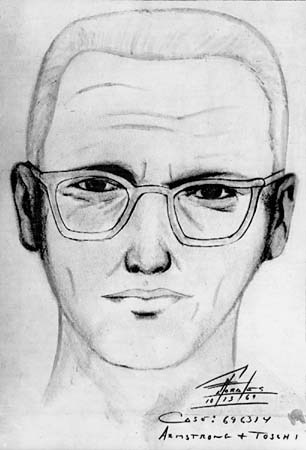
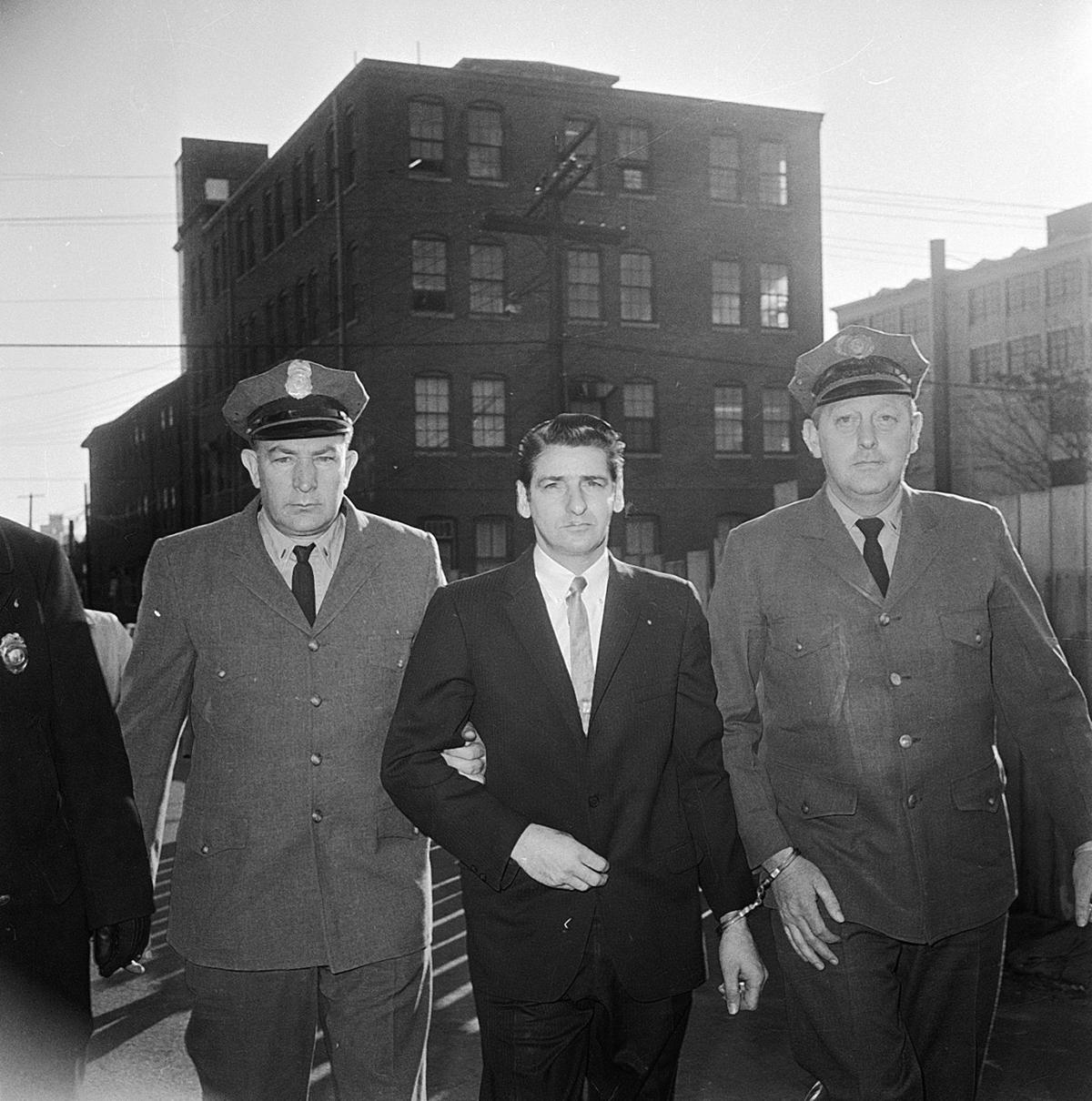




Typical characteristics and patterns
Although there is no single profile that fits every offender, many serial killers display recurring patterns in victim selection, method of killing, and post-offense behavior. They may favor a particular victim type defined by age, gender, occupation or appearance, and they often use consistent methods or tools. Repetitive actions that go beyond what is necessary to kill are called a offender's signature and can help link separate crimes to the same perpetrator. Investigators also distinguish signature behaviors from modus operandi (MO), which describes the practical method of committing the crime. For physical means, the weapon or instrument often recurs across incidents: common weapons and other tools may form part of a pattern, while an offender's ritualized behavior can establish a signature: signature behaviors.
Motives and psychological factors
Motivations among serial killers vary: some seek sexual gratification, others pursue feelings of power or control, and some are compelled by fantasies that drive repeated offending. In many cases, there is no rational or financial motive; instead, offending satisfies internal psychological needs. Mental health issues, personality disorders, traumatic histories, and other complex factors are frequently examined by clinicians and criminal profilers. Because motives can be hidden and multifaceted, investigators and researchers approach each case cautiously and avoid simple generalizations.
History and notable cases
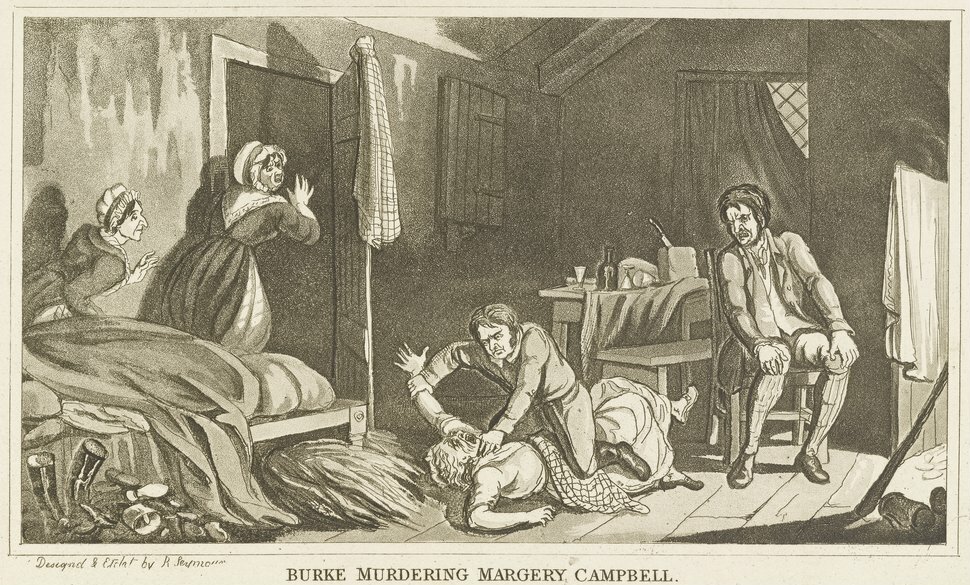
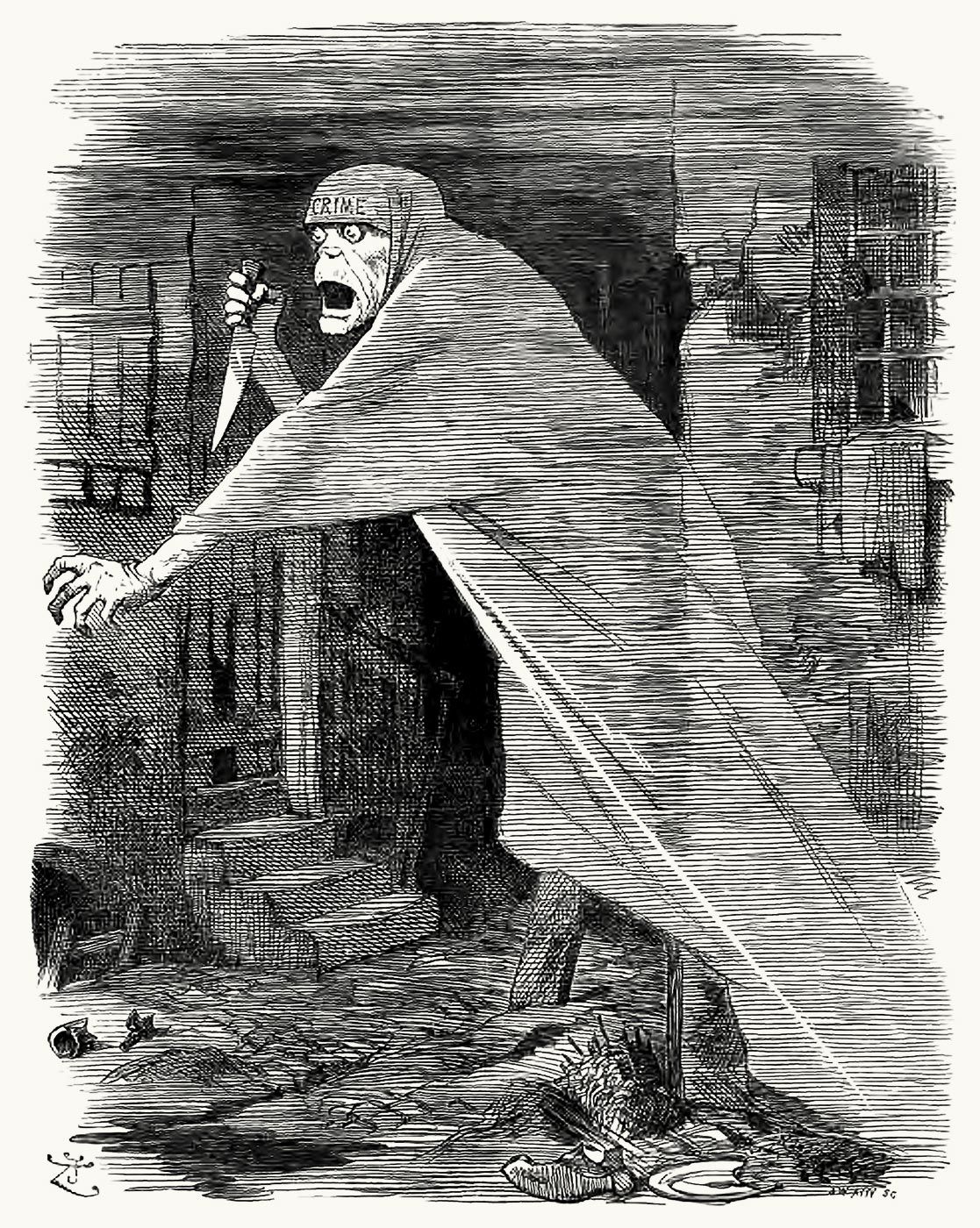
Although violent serial offenders have existed for centuries, the modern use of the phrase "serial killer" became common in the late 20th century. High-profile investigations and media coverage in the 1970s and 1980s helped shape public understanding of the term: investigators and commentators often cite offenders such as Ted Bundy and John Wayne Gacy as catalysts for that attention, while earlier, widely known cases like Jack the Ripper remain emblematic of the phenomenon. Some notorious offenders have been medical professionals or caregivers, raising concern about trust and oversight: for example, the British doctor Harold Shipman and other historically implicated physicians drew attention to how abuse of medical access can facilitate repeated killings. Cases such as John Bodkin Adams and the 19th-century "resurrectionists" Burke and Hare illustrate a range of motives and circumstances in which people were killed by those in positions of authority or for illicit market demand. The emergence of the term and scholarship around it in the 1970s is often noted in historical accounts: terminology history, 1970s developments.
Investigation, profiling, and prevention
Law enforcement has developed specialized methods to detect and apprehend serial offenders, including crime-scene analysis, victimology, geographical and temporal linking of incidents, and behavioral profiling. Units dedicated to serial and violent crime often combine forensic science with patterns of behavior to prioritize leads. Public awareness, improved record-sharing between jurisdictions, and advances in DNA and digital forensics have changed how long-running series of crimes are identified. While profiling can assist investigations, it is only one tool among many and must be used with corroborating evidence.
Social impact and legal responses
High-profile serial murder cases influence public policy, victim support systems, and debates over media coverage of violent crime. Societies respond through improved investigative resources, changes in hospital and care oversight when professionals are involved, and support services for survivors and families. Academics and practitioners emphasize cautious reporting to avoid sensationalism and to protect the integrity of ongoing investigations.
Related topics and figures
- Definitions and classifications
- Mass murder vs. serial murder
- Criminal motives and theft-related homicide
- History of the term
- 1970s investigations and public awareness
- Ted Bundy
- John Wayne Gacy
- Jack the Ripper
- Weapons and methods
- Signatures and MO
- Harold Shipman
- British cases and context
- John Bodkin Adams
- Burke and Hare
Related articles
Author
AlegsaOnline.com Serial killer: definition, behavior, history, and investigation Leandro Alegsa
URL: https://en.alegsaonline.com/art/89050