
River Orwell (Suffolk, England)
A tidal river and estuary in Suffolk, England, the Orwell begins at Ipswich and flows to the North Sea. It has long been important for shipping, local industry, wildlife and recreation.
Overview
The River Orwell is a tidal river and estuary in eastern Suffolk, England. It forms where the freshwater river from inland becomes influenced by the sea, then widens into an estuary that opens toward the North Sea. The waterway links the county town of Ipswich with coastal ports and has shaped local settlement, trade and leisure for centuries.
Image gallery
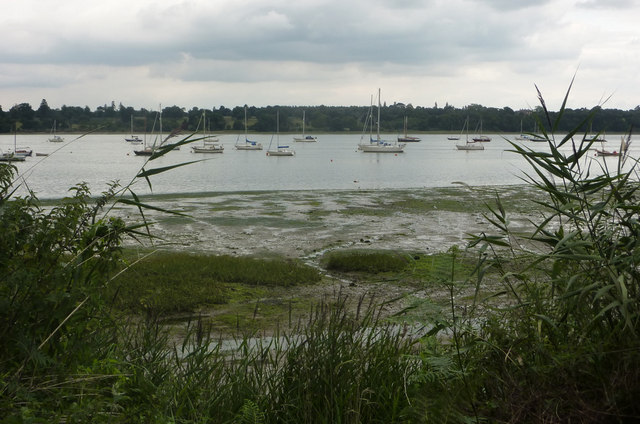
6 Images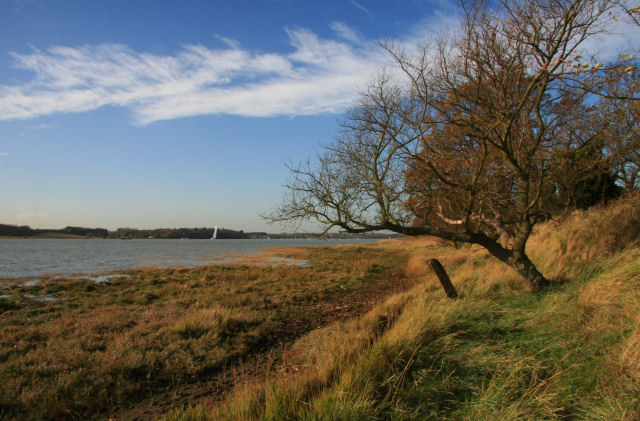



Course and characteristics
Above Ipswich the watercourse is commonly known as the River Gipping; downstream of the town it becomes tidal and is called the Orwell. The estuary is characterized by a broad navigation channel flanked by mudflats, salt marsh and low-lying farmland. The Orwell Bridge carries a major road across the estuary near Ipswich, and the river mouth lies between notable coastal points and busy port facilities.
History and economic use
From medieval times Ipswich has been an active port on the Orwell, serving regional trade and international links. Shipbuilding, fishing and cargo handling have all featured along its banks. In more recent times the development of container shipping at nearby ports increased commercial traffic at the estuary entrance, while the town quays continue to serve local industry and leisure craft.
Ecology and recreation
The Orwell estuary supports salt marshes, intertidal mudflats and a range of bird species, making parts of it important for conservation and wildlife watching. Its sheltered waters and scenic villages attract sailing, rowing and pleasure boating; small marinas, riverside pubs and historic hamlets such as Pin Mill are popular destinations for visitors and local boaters.
Notable facts and distinctions
In everyday usage "Orwell" can refer either to the tidal stretch or to the wider river-estuary system; the freshwater upper river is typically called the Gipping. The river has a strong cultural presence in the region and is often mentioned in local history and literature. It is also commonly noted that the writer George Orwell adopted his pen name from the river area.
For maps, navigation guidance and conservation information see local authorities and specialist sites: river details, county resources and national guidance for waterways and estuaries at official channels.
Related articles
Author
AlegsaOnline.com River Orwell (Suffolk, England) Leandro Alegsa
URL: https://en.alegsaonline.com/art/83120