
International law: principles, sources, institutions and practice
Overview of international law: its subjects and sources, public vs private branches, how rules are made and enforced, major institutions and typical applications in diplomacy, conflict, trade and human rights.
Overview
International law is the body of rules, norms and institutions that governs relations between sovereign states and other international actors. It addresses matters such as treaties, diplomatic relations, the use of force, human rights, trade and the oceans. Unlike a single national legal system, international law operates through consent among its subjects and a mix of binding and non‑binding instruments.
Image gallery
9 Images



Sources and main characteristics
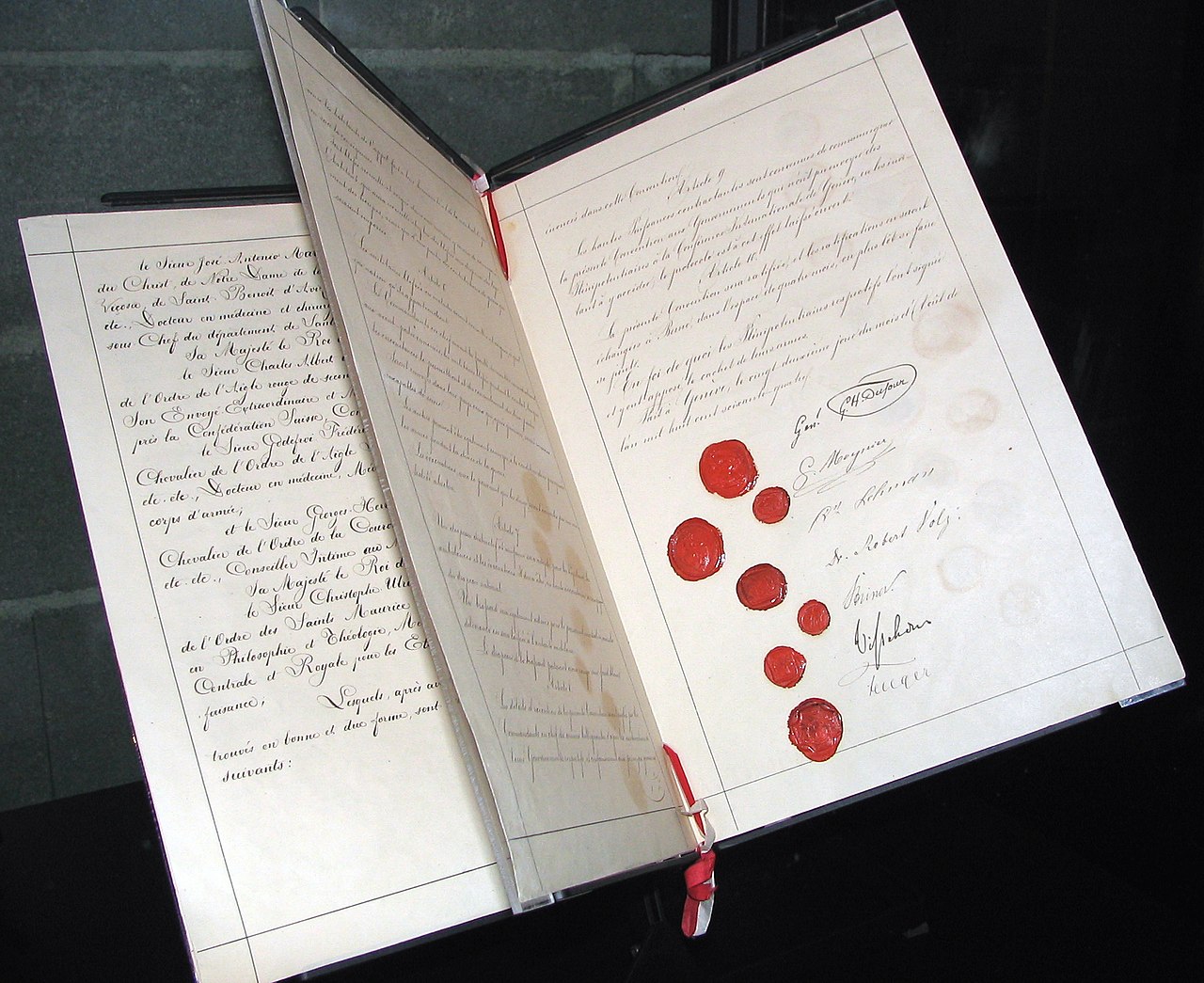
Primary sources of international law include written agreements between states (treaties), long‑standing state practice accepted as law (customary international law), and general legal principles recognized across legal systems. Judicial decisions, arbitral awards and the writings of eminent jurists also guide interpretation. Treaties are a central mechanism: they create specific obligations and often set procedures for dispute resolution. For more on treaties see treaty law.
Subjects and branches
The traditional primary subjects are sovereign states, but international organizations, insurgent movements, corporations and individuals can also be affected or held accountable under certain rules. Public international law governs relations between states and international entities, covering matters like armed conflict, sovereignty and human rights. Private international law, often called "conflict of laws," deals with cross‑border private disputes such as which jurisdiction applies and recognition of foreign judgments; it is frequently implemented through national rules and bilateral or regional agreements—see conflict of laws and related instruments at treaty texts.
Institutions and enforcement
There is no single global legislature or police force. Enforcement relies on state consent, reciprocal behavior, reputational pressures and institutional mechanisms. International courts and tribunals—such as permanent and ad hoc bodies—resolve disputes, interpret treaties and develop legal doctrine. States and organizations also use diplomacy, sanctions and arbitration. International organizations play coordinating and normative roles; prominent examples include the United Nations and specialized agencies—see international organizations and the United Nations.
History and development
Modern international law evolved from early customs of diplomacy and treaties to more structured systems after major historical events that expanded cooperation among states. Over the twentieth century, especially after global conflicts, institutions and bodies of law dealing with human rights, humanitarian protections, trade and collective security became more elaborate. Soft law instruments, customary norms and multilateral conventions have shaped expectations of state conduct even where formal enforcement is limited.
Uses, examples and notable distinctions
International law governs practical matters such as maritime boundaries, international trade disputes, treaty obligations, prosecution of serious international crimes and treatment of refugees. Notable legal instruments include multilateral conventions on humanitarian law, trade regimes and human rights covenants. Key distinctions to bear in mind are public versus private international law, binding versus non‑binding (soft law) norms, and law made by states collectively versus national implementation. Understanding these elements helps explain both the reach and the limits of international legal order.
Related articles
Author
AlegsaOnline.com International law: principles, sources, institutions and practice Leandro Alegsa
URL: https://en.alegsaonline.com/art/47667