
Interracial marriage
Marriage between partners of different racial backgrounds; its social meaning, legal history, and contemporary trends across societies and cultures.
Overview
Interracial marriage refers to a marital union in which the partners come from different racial or ethnocultural backgrounds. Definitions and classifications of race vary by country and over time, so what counts as "interracial" can differ across contexts. For a concise legal or sociological definition see this reference, and for discussion of racial categories see race concepts.
Image gallery
10 Images


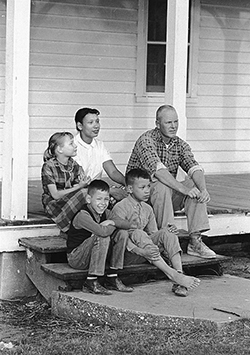




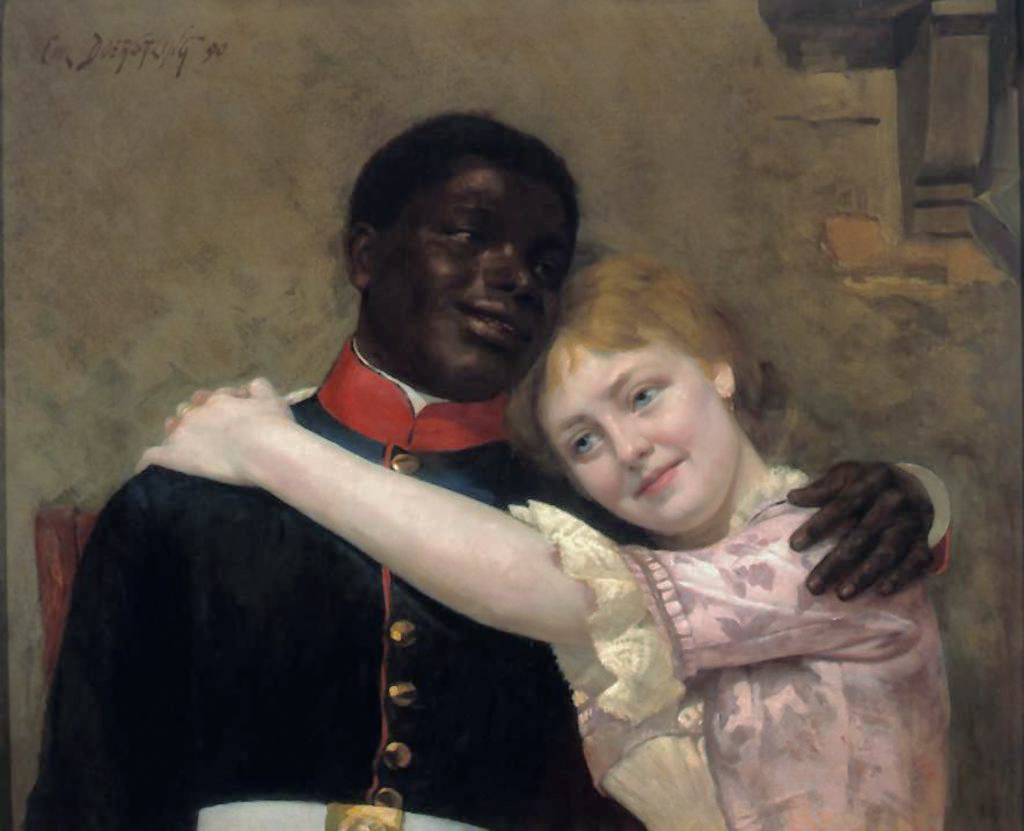
Characteristics and social context
Such marriages intersect with wider patterns of identity, family norms, and social acceptance. They may challenge community expectations, including preferences for endogamy—marrying within a particular group—or religious and cultural boundaries. For an overview of endogamy and its effects on partner choice consult endogamy studies. Attitudes toward interracial couples are shaped by historical power relations, migration, urbanization, and exposure to diverse populations.
History and legal changes
- Throughout history, some societies prohibited unions across certain racial lines. Notable 20th‑century examples include laws enacted under the Nazi regime; see Nazi‑era regulations for context.
- In other places, states enforced anti‑miscegenation statutes that barred interracial marriages; in the United States many such laws remained until the mid‑20th century and were struck down by a landmark 1967 decision—learn more at U.S. legal history.
- Legal restrictions have largely been removed in most countries, though social opposition can persist in some communities.
Importance and contemporary trends
Interracial marriages can play a role in reducing social distance between groups and creating more diverse family networks. In many urbanized and migrant‑receiving societies, rates of interracial partnering have increased over recent decades and are viewed as markers of changing social boundaries. At the same time, couples may face distinct challenges related to identity, child‑rearing, and encounters with prejudice.
Distinctions and notable facts
Not every mixed‑background union is labeled "interracial" uniformly; some are described by ethnicity, nationality, religion, or mixed heritage instead. Academic research examines outcomes such as socioeconomic status, cultural transmission within families, and the ways law and public opinion affect couples' lived experiences. For introductions to these topics see the links above and resources on social demography and family studies.
See also: demographic research on family formation, comparative laws on marriage, and studies of cultural identity and integration.
Related articles
Author
AlegsaOnline.com Interracial marriage Leandro Alegsa
URL: https://en.alegsaonline.com/art/47740
Sources
- worldcat.org : 185556301
- wluml.org : "Pakistan: Activists respond to women buried alive; no cultural justifications for murder!"