
Institutional Revolutionary Party (PRI) — Mexico's long-ruling party
Overview of the Institutional Revolutionary Party (PRI), its origins, organization, historical dominance in Mexico, major policies and controversies, and notable leaders.

Overview
The Institutional Revolutionary Party, known in Spanish as the Partido Revolucionario Institucional (PRI), is a major political party in Mexico. Founded in 1929 to unify political forces after the Mexican Revolution, it became the dominant organization in Mexican politics for much of the 20th century. The party combined state institutions, organized labor, peasant groups and political elites to manage governance, public policy and electoral competition.
Image gallery
10 Images


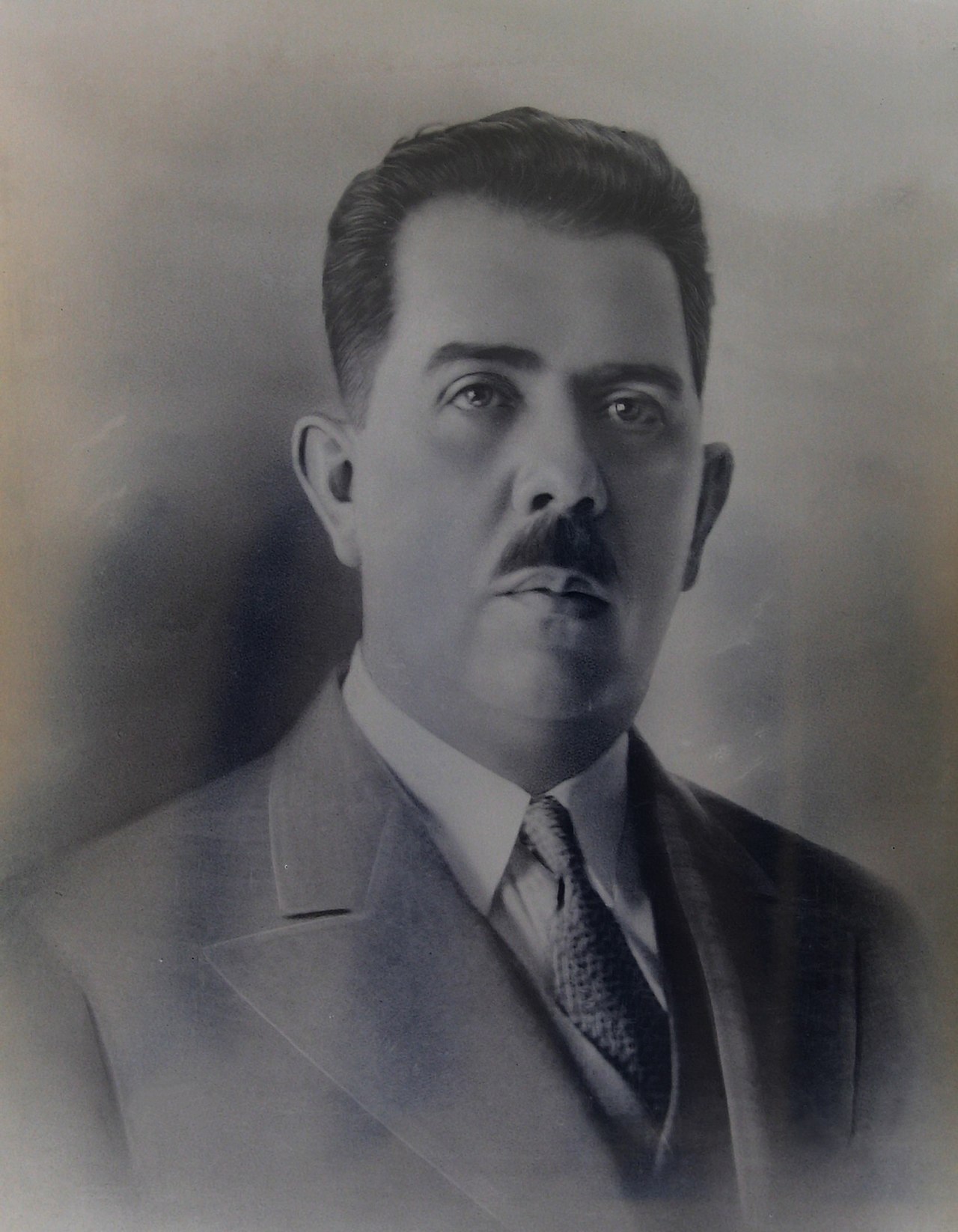

History and development
The PRI began as the National Revolutionary Party (PNR) in 1929, evolved into the Party of the Mexican Revolution (PRM) in the 1930s, and adopted the name Institutional Revolutionary Party (PRI) in 1946. During its period of prolonged dominance, the party governed through a system of coordinated patronage, a strong executive presidency, and formal ties to trade unions and rural organizations. This structure helped produce relative political stability and state-led modernization while also drawing criticism for restricting genuine pluralism.
Ideology, structure and practices
The PRI's ideology has changed over time and is best described as pragmatic and state-centered rather than rigidly doctrinaire. In the mid-20th century it oversaw land reform, industrialization and the expansion of public services; later leaders embraced market-oriented reforms and privatizations. The party built a durable organizational network through a corporatist model that organized social sectors into party-affiliated bodies and used clientelistic relationships to maintain electoral support.
Electoral performance and turning points
For seven decades the PRI fielded the winning presidential candidate and controlled much of Mexico's political apparatus. That dominance ended with the 2000 presidential election, when a rival party won the presidency for the first time in modern history. The PRI returned to the presidency in 2012 with Enrique Peña Nieto, and subsequently faced electoral setbacks amid corruption allegations and rising competition from new parties. It lost the presidency again in 2018 to the party known as MORENA, reflecting a major realignment in Mexican politics.
Uses, impact and controversies
The PRI's long rule left mixed legacies. Supporters credit the party with creating institutional frameworks, expanding education and infrastructure, and maintaining national unity during turbulent decades. Critics point to restricted political competition, electoral manipulation in some periods, centralization of power and episodes of corruption. Economic policy within PRI administrations spanned from agrarian reform and nationalization in earlier decades to privatization and neoliberal reforms in the late 20th century.
Notable figures
- Pascual Ortiz Rubio — an early president associated with the party's formative years.
- Lázaro Cárdenas — known for land reform and strong state intervention in the economy.
- Adolfo López Mateos — mid-20th century president during a period of industrial growth.
- Gustavo Díaz Ordaz — a controversial president remembered for his hardline response to mid-century unrest.
- Luis Echeverría Álvarez — presided during a politically turbulent era.
- José López Portillo — led during an economic boom-and-bust cycle in the late 1970s and early 1980s.
- Miguel de la Madrid — initiated economic liberalization policies that continued under later administrations.
- Carlos Salinas de Gortari and Ernesto Zedillo — later PRI presidents associated with major economic reforms and political changes.
- Enrique Peña Nieto — returned the presidency to the PRI in 2012; his administration generated debate over reforms and corruption allegations.
Further information
The PRI remains an influential actor in Mexico's multi-party system, competing at national and local levels and periodically forming coalitions. Its history is central to understanding modern Mexican institutions, political culture and policy debates. For more detailed resources see official documents and historical studies linked by the party and academic analyses on Mexico's political development.
- PRI official and historical materials
- General resources on Mexico's political system
- Profiles of recent leaders and administrations
- Archival biographies of early party figures
- Studies on land reform and Cárdenas
- Analyses of mid-century industrial policy
- Accounts of political unrest and state responses
- Records of 1970s political developments
- Economic histories of the 1980s
- Evaluations of liberalizing reforms in the late 20th century
The PRI's long trajectory illustrates how a single party can shape a nation's institutions and public life over generations while also being subject to change, challenge and decline as political competition evolves.
Related articles
Author
AlegsaOnline.com Institutional Revolutionary Party (PRI) — Mexico's long-ruling party Leandro Alegsa
URL: https://en.alegsaonline.com/art/47496