
Gustavo Díaz Ordaz: President of Mexico (1964–1970) and his contested legacy
Gustavo Díaz Ordaz (1911–1979) was a Mexican politician from the PRI who served as president from 1964 to 1970. His administration combined economic projects and the 1968 student repression during the Mexico City Olympics year.
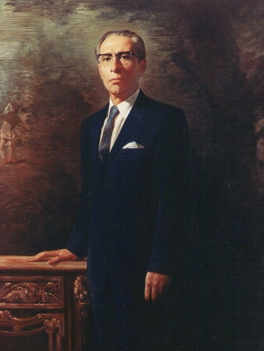
Gustavo Díaz Ordaz Bolaños (12 March 1911 – 15 July 1979) was a Mexican politician and member of the Institutional Revolutionary Party. Trained in law, he rose through party and administrative posts to become president, holding office as President of Mexico from 1964 to 1970. His tenure is remembered for infrastructure investment and economic management as well as for a forceful approach to political dissent that continues to shape assessments of his government.
Image gallery
10 Images


Early life and political rise
Díaz Ordaz came from a political family in Puebla and studied law before entering public service. Within the dominant party system of the mid-20th century he built a reputation as a disciplined administrator and loyal party operator. During an era when the PRI determined national politics, securing the party nomination effectively ensured the presidency.
Domestic policy and public works
As president he favored state-led development, promoting industrialization, public works and urban modernization. Projects included highway expansion, public buildings and improvements to urban services intended to support economic growth and integration. Economically, his administration is associated with continuity of the policies known as the "Mexican Miracle," which emphasized investment, industrial growth and urban development.
- Emphasis on infrastructure, transportation and urban projects.
- Centralized decision-making within the ruling party structure.
- Preparation for and hosting of the 1968 Olympic Games in Mexico City.
1968 student movement and government response
The defining and most controversial crisis of Díaz Ordaz's administration was the student movement of 1968. Widespread protests by students and civil society were met by a heavy security response from government forces. The confrontation reached a tragic peak on 2 October 1968 in a public plaza, an event that produced national and international shock and remains central to debates about state violence and accountability in modern Mexican history.
Foreign policy and succession
On foreign affairs, his government pursued pragmatic relations with major partners while stressing national sovereignty. Political succession stayed within the party: his interior minister, an influential figure during the administration, later became president, continuing the PRI's control of the national government.
Legacy and later life
Díaz Ordaz's legacy is contested. Supporters credit his administration with modernization and important public works; critics emphasize the repression of dissent and human-rights abuses. The 1968 events, in particular, shaped public memory and subsequent political reforms. After leaving office he remained a prominent, polarizing figure until his death in Mexico City on 15 July 1979 from colorectal cancer, aged 68. Popular biographies sometimes note that he was a distant cousin of comedian Roberto Gómez Bolaños, a detail often mentioned in cultural accounts of the period.
Historical study of Díaz Ordaz continues to evolve as researchers and public institutions examine archival records, testimonies and official documents to better understand the political choices of his government and their consequences for Mexican society.
Related articles
Author
AlegsaOnline.com Gustavo Díaz Ordaz: President of Mexico (1964–1970) and his contested legacy Leandro Alegsa
URL: https://en.alegsaonline.com/art/120128