
Israeli West Bank barrier
A barrier of fences and concrete separating much of the West Bank from Israel, built primarily for security in the early 2000s; it has significant legal, political and humanitarian implications.
Overview
The Israeli West Bank barrier is a series of physical obstacles—mainly fences with some concrete wall sections—installed by Israel beginning in the early 2000s. Israeli authorities describe it as a security measure intended to reduce violent attacks; many Palestinians and international critics view it as a means of unilateral territorial separation and restriction of movement. The structure is commonly referred to by different names depending on perspective, including "security fence," "separation barrier," and "wall." Official information and commentary appear across a range of sources.
Image gallery
10 Images




Design, route and components
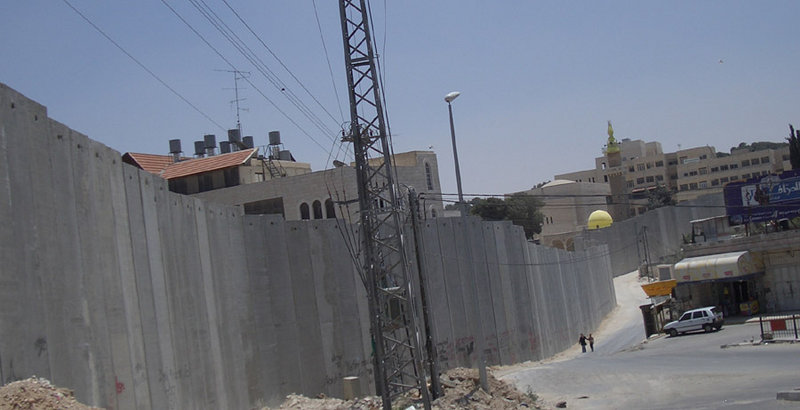
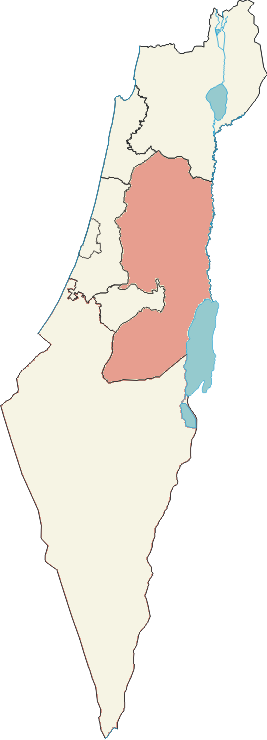
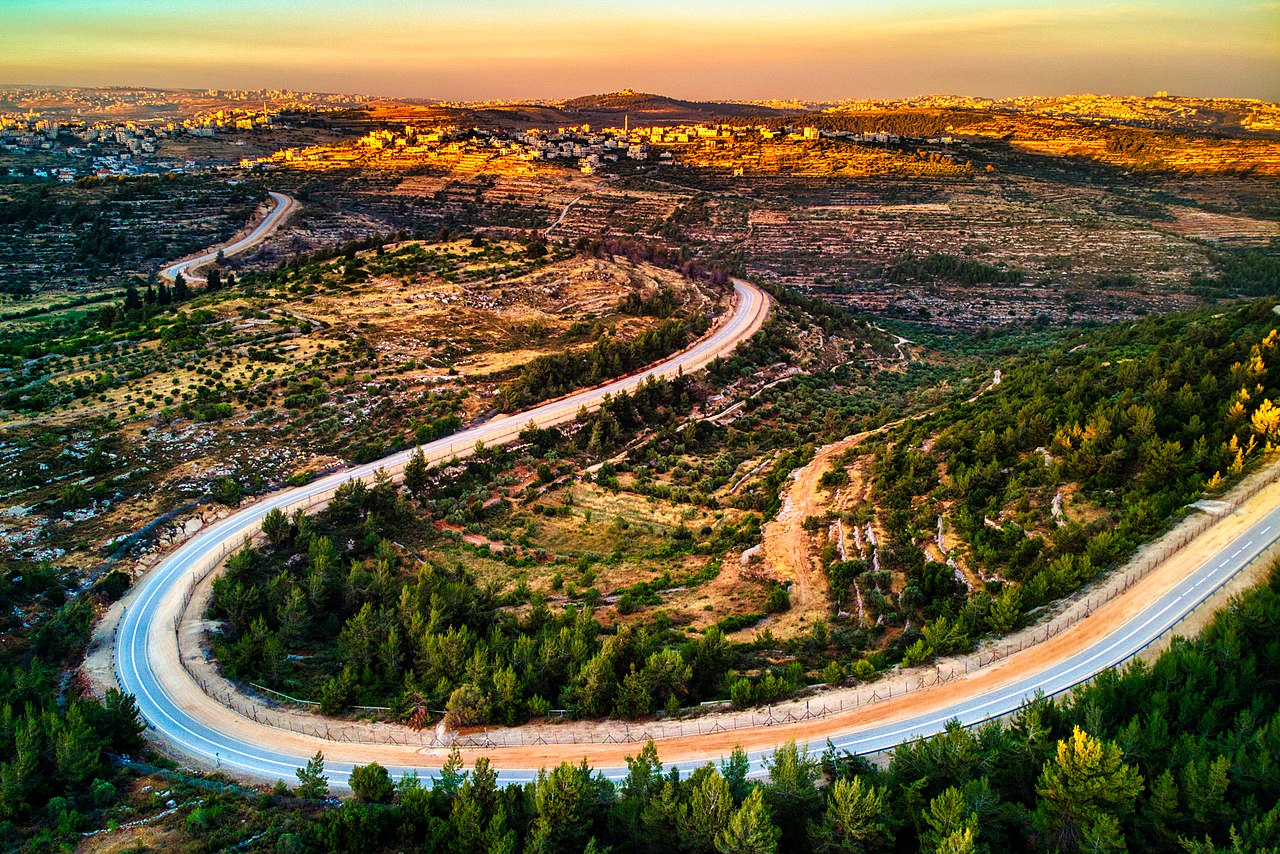
The barrier is not uniform: in rural areas it often consists of electronic fences, patrol paths and surveillance equipment, while in urban or densely populated zones it may take the form of high concrete walls. Its routing is a mixture of alignment along the 1949 Armistice Line (the Green Line) and stretches that run inside the West Bank, which has generated much of the controversy over land and access. Construction techniques include chain-link fencing, vehicle barriers, sensors, and reinforced concrete segments. Technical descriptions provide further detail.
Key features include:
- Hybrid construction: fence, electronic systems and concrete panels.
- Checkpoints, gates and controlled crossings that regulate movement.
- Variability of route due to topography, settlements and legal rulings.
For background on planning and judicial review, see policy reports and court analyses. Israel's own courts have sometimes ordered route alterations for humanitarian reasons.
The barrier has had measurable effects on security patterns according to Israeli authorities, while critics point to economic hardship, restricted access to farmland and services, and long-term political consequences. An advisory opinion by an international judicial body and persistent diplomatic debate reflect the barrier's complex legal and moral status. For a range of perspectives and updates, consult academic and humanitarian sources.
Related articles
Author
AlegsaOnline.com Israeli West Bank barrier Leandro Alegsa
URL: https://en.alegsaonline.com/art/48513