
Italian Irredentism in Istria: History, Policies, and Legacy
Overview of the Italian irredentist movement in Istria: origins, development under Austro-Hungarian rule and Italy, fascist policies, wartime upheavals, postwar outcomes and modern legacies.
Overview
Italian irredentism in Istria was a political and cultural movement that sought to incorporate the Istrian peninsula into the Italian state. Activists argued that parts of Istria had historical, linguistic or cultural ties to Italy and promoted unification with Italy. The peninsula itself is a multiethnic region now divided among several countries; it is often referred to simply as Istria.
Image gallery
5 Images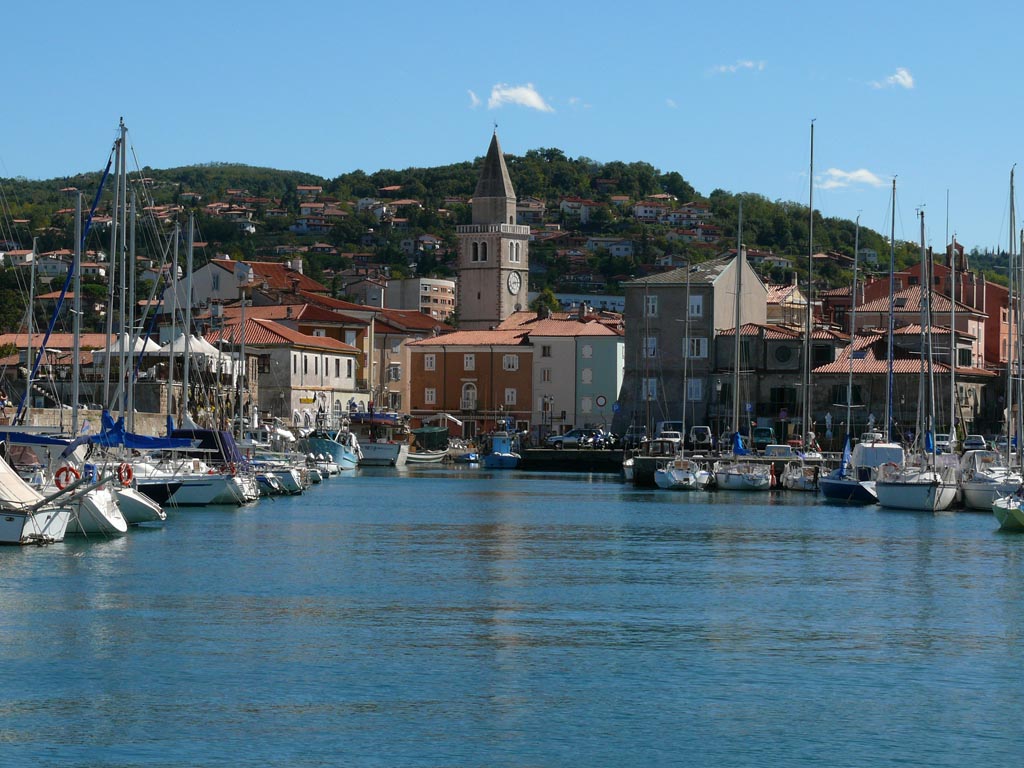


Historical development
The movement grew in the late 19th and early 20th centuries amid the decline of the Austro-Hungarian Empire and the rise of nationalist currents across Europe. Local Italian-speaking communities organized cultural associations, newspapers and political groups that advanced claims based on language, historical memory and economic connections with Italian urban centers. World War I and the collapse of imperial rule created an opening that many irredentists sought to exploit.
Policies and reactions
After parts of Istria were annexed to Italy in the aftermath of World War I, successive Italian governments—especially during the Fascist era—pursued policies of centralization and Italianization. These measures affected schools, public administration and the use of minority languages, and they generated resistance from Slavic-speaking Croat and Slovene communities. Tensions included legal discrimination, protests and episodes of violence on multiple sides.
Wartime upheavals and postwar changes
World War II intensified rival national claims. By the end of the war the geopolitical map of the region had shifted: some territories passed to the newly formed Yugoslav state under postwar treaties. The transition was accompanied by population movements, expulsions and reprisals that are sensitive and contested elements of local memory. A significant number of people who identified as Italian left Istria in the years after the war.
Legacy and modern importance
Today the legacy of Italian irredentism in Istria is visible in minority rights frameworks, bilingual signage in parts of the peninsula, and cultural associations that preserve Italian language and traditions. The European integration process and cooperation among Italy, Croatia and Slovenia have helped reduce tensions, though historical grievances remain part of regional memory and politics.
Notable features
- Movement intertwined with 19th-century Italian nationalism but focused on a specific border region.
- Combined cultural, political and sometimes paramilitary activity in different periods.
- Resulted in long-term demographic and legal changes that shaped postwar state borders and minority protections.
For further context on the region and its contemporary status see general resources on Istria and on the modern Italian state Italy.
Related articles
Author
AlegsaOnline.com Italian Irredentism in Istria: History, Policies, and Legacy Leandro Alegsa
URL: https://en.alegsaonline.com/art/48593