
Lázaro Cárdenas: reformist president of Mexico (1934–1940)
Profile of Lázaro Cárdenas del Río (1895–1970), Mexican president noted for land reform, oil nationalization, institutional change, and a lasting political legacy.
Lázaro Cárdenas del Río (May 21, 1895 – October 19, 1970) was president of Mexico from 1934 to 1940. He is widely remembered for large-scale agrarian reform, the 1938 oil expropriation that created a state petroleum company, and for projecting an image of integrity and public service that shaped Mexican politics for decades.
Image gallery
10 Images

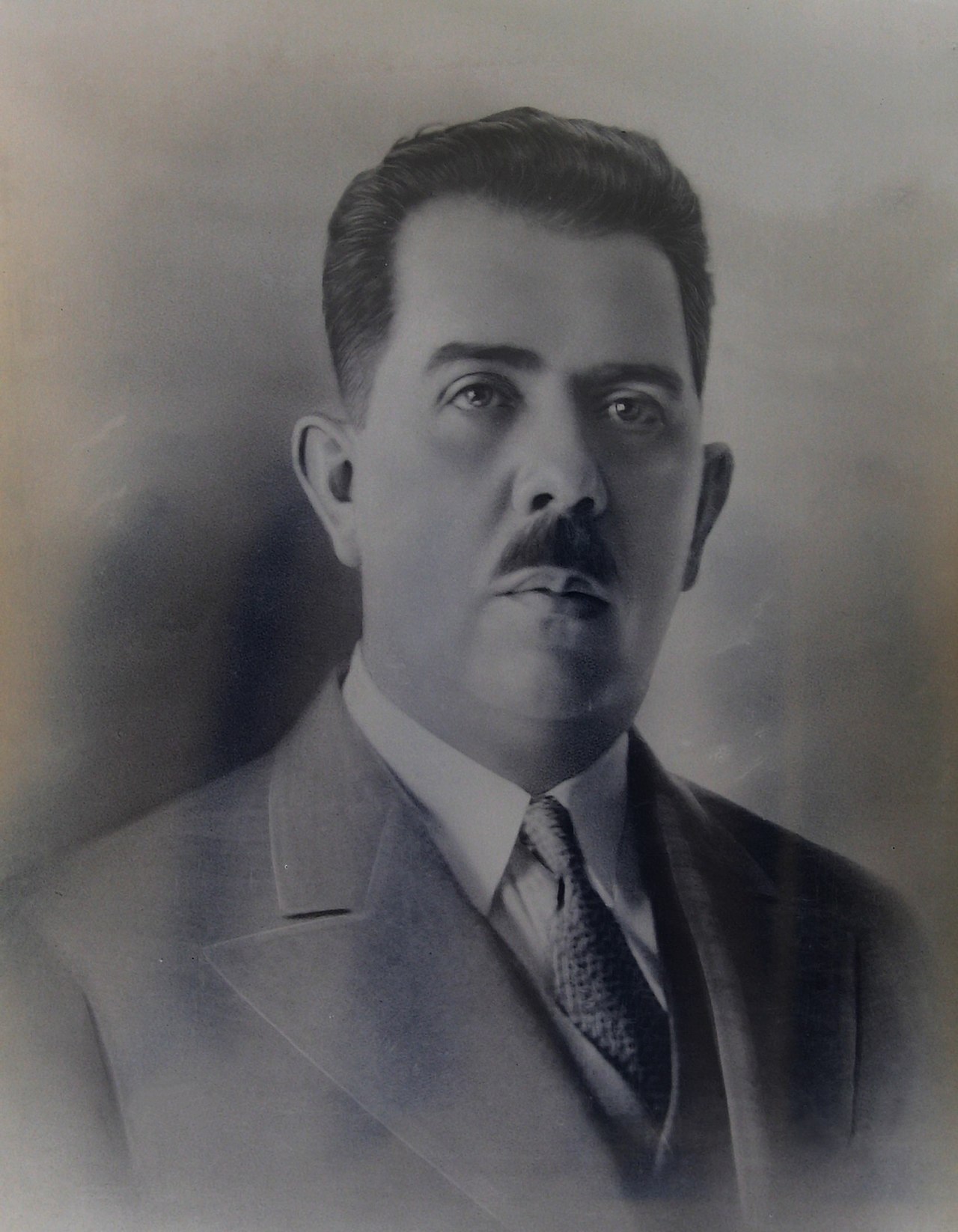


Early life and rise to power
Cárdenas was born in Jiquilpan, Michoacán and began his career in the military before entering politics. His experience as a regional commander and administrator helped him gain national prominence within the revolutionary generation. By 1934 he had built a reputation as an energetic organizer who combined social reform aims with pragmatic governance.
Major reforms and policies
During his presidency Cárdenas pursued a program oriented toward rural and working-class Mexico. His administration expanded land redistribution through the ejido system, promoted rural education and technical assistance, and strengthened labor rights. The most decisive act was the 1938 nationalization of foreign oil companies, which led to establishment of a state oil enterprise and became a defining symbol of economic sovereignty.
- Agrarian reforms: large-scale distribution of land to communal holdings (ejidos).
- Oil expropriation: transfer of foreign oil assets to state control.
- Labor and education: expansion of workers' protections and rural schooling.
He also reorganized public institutions to reduce dependence on private elites and to strengthen state capacity to carry out social programs. Many of these changes were implemented with an emphasis on discipline and centralized coordination, which supporters saw as effective and critics sometimes viewed as authoritarian.
Legacy and later life
Cárdenas helped reshape the political landscape by sponsoring a party structure that later evolved into Mexico’s dominant political organization in the 20th century. After leaving the presidency he remained an influential voice in public life and is often praised for personal probity. His family continued in politics — notably his son and grandson — contributing to what is sometimes described as a political lineage in Mexico. For broader national context see Mexico.
Historians and the public tend to view Cárdenas as one of Mexico’s most consequential 20th-century leaders: admired for tackling entrenched interests and for policies that expanded social rights, while also provoking debate about the balance between state power and democratic pluralism. His name appears on towns, schools and monuments across the country as a measure of his lasting prominence.
Related articles
Author
AlegsaOnline.com Lázaro Cárdenas: reformist president of Mexico (1934–1940) Leandro Alegsa
URL: https://en.alegsaonline.com/art/123941