
Hearing: the sense of sound, anatomy, and biological roles
Overview of hearing as a sensory system: how sound is detected, the ear's parts, variations across animals, evolutionary notes, functions such as communication and balance, and hearing protection.
Hearing is the biological ability to detect sound, one of the primary ways many organisms perceive their environment. In broad terms, sound consists of mechanical vibrations that travel through a medium such as air and are interpreted by a nervous system as sound. For humans and other animals the sense of hearing is commonly grouped with the five senses, and it plays a central role in communication, predator avoidance, navigation and social behavior.
Image gallery
4 Images

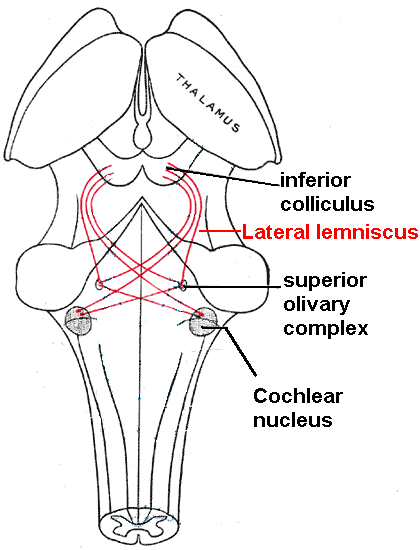
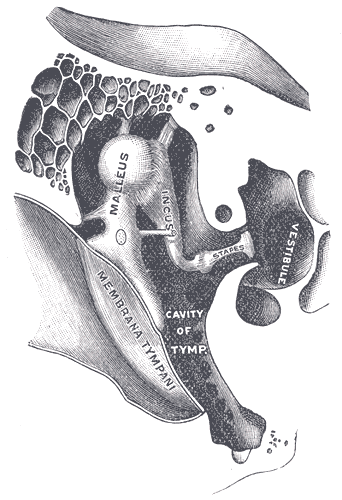
Anatomy and basic mechanism
In many land vertebrates, hearing depends on a specialized organ, the ear. In mammals the ear is typically divided into three regions: the outer ear, the middle ear and the inner ear. The outer ear collects and funnels vibrations; the middle ear transmits them through tiny bones (ossicles); and the inner ear converts mechanical motion into electrical signals via the cochlea, which the brain interprets as pitch and loudness.
Variations across animal groups
Not all animals hear in the same way. Most animals can detect vibrations in some form, but structures differ. Many land vertebrates use external and middle ear elements to amplify sound. Fish lack outer ears like terrestrial species and instead employ alternative mechanisms: some detect pressure changes through the swim bladder, others sense particle motion with the lateral line. Insects and other invertebrates may use thin membranes or body segments (tympanal organs) to sense sound or substrate vibration.
Functions and examples
Hearing serves several biological purposes. It enables vocal communication, mating calls, and group coordination. It alerts animals to predators and prey, supports spatial orientation, and, in mammals, is closely linked with balance because the vestibular system in the inner ear helps control posture and eye movements. Human hearing also underpins language, music and many cultural practices.
History, development and notable facts
Hearing evolved early in animal history as mechanoreception—sensitivity to movement and pressure—was adapted to detect airborne and aquatic vibrations. Over evolutionary time, structures such as ossicles in mammals and specialized sensory hairs in fish diversified to improve sensitivity and frequency discrimination. Hearing ranges vary widely: many animals perceive frequencies humans cannot, and some use ultrasonic or infrasonic signals for communication and navigation.
Health, impairments and protection
Hearing can be impaired by aging, loud sounds, infections or congenital conditions. Protective strategies include avoiding prolonged exposure to high volumes, using hearing protection in noisy environments, and early screening where available. Scientific and clinical efforts aim to preserve and restore hearing through devices such as hearing aids and cochlear implants, and through public health measures to reduce preventable loss.
For more technical introductions and resources, see general references on sensory systems (overview) and specialized pages on animal hearing (comparative biology, fish, mammals). Additional specific topics include auditory anatomy (ear anatomy), mechanotransduction (vibrations), environmental media (air), terminologies for sound (sound), and specialized aquatic adaptations (swim bladder, lateral line).
Author
AlegsaOnline.com Hearing: the sense of sound, anatomy, and biological roles Leandro Alegsa
URL: https://en.alegsaonline.com/art/43071