
Indo-Islamic architecture: forms, history and legacy
Architectural tradition emerging in the Indian subcontinent from medieval Islamic dynasties, combining Persian, Turkic and local Indian elements into domes, arches, decorative arts and urban monuments.
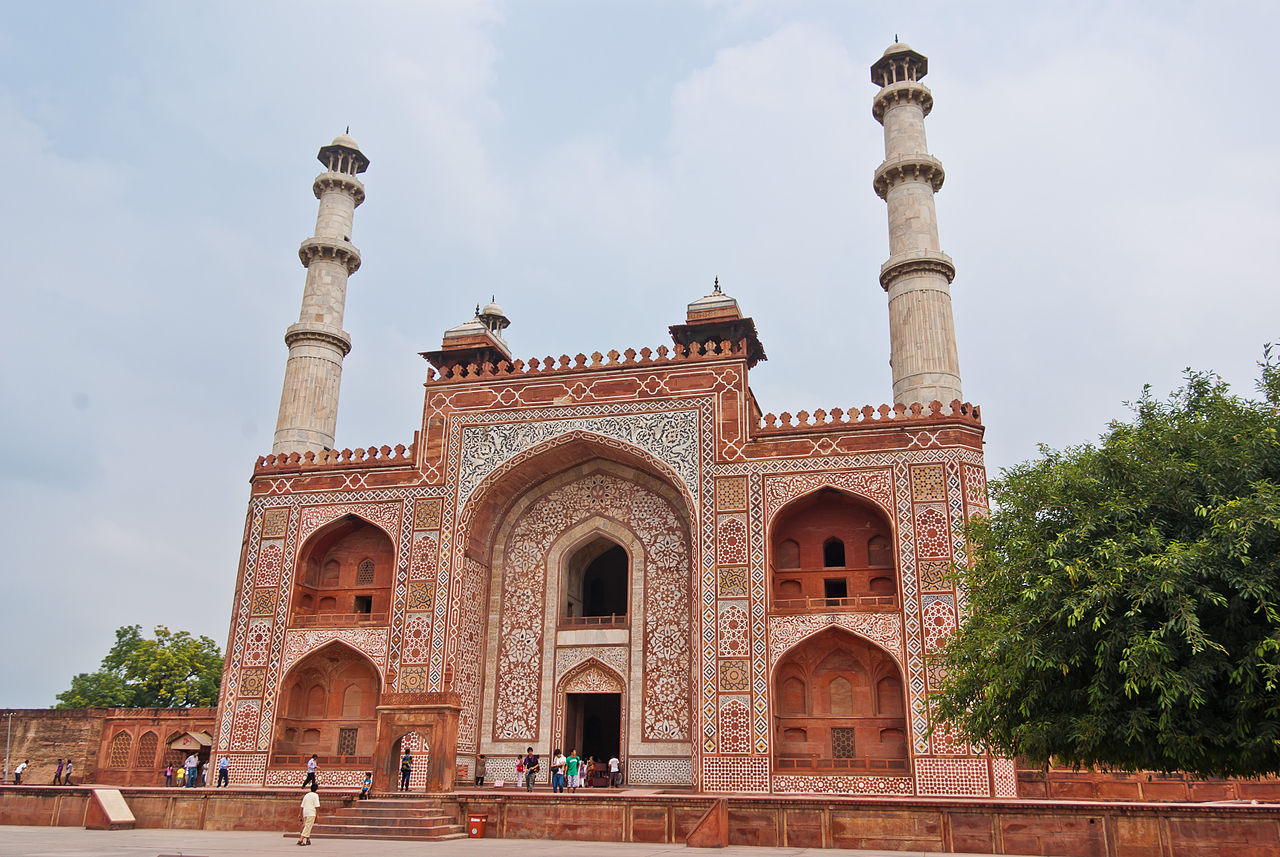
Indo-Islamic architecture denotes the building traditions that developed in the Indian subcontinent under Muslim rulers from the late 12th century onward. It is not a single uniform style but a broad umbrella covering the work of many dynasties and regions. Commonly observed are the adaptation of West and Central Asian forms—such as domes, arches and minarets—combined with indigenous practices like elaborate stone carving and multi-pillared halls.
Image gallery
10 Images




Key characteristics
Several features recur across Indo-Islamic monuments, even as local materials and crafts produced variety:
- Structural forms: domes, vaulted iwans, minarets and symmetrical plans.
- Decorative vocabulary: calligraphy, geometric patterns, arabesques and inlay work in stone or tile.
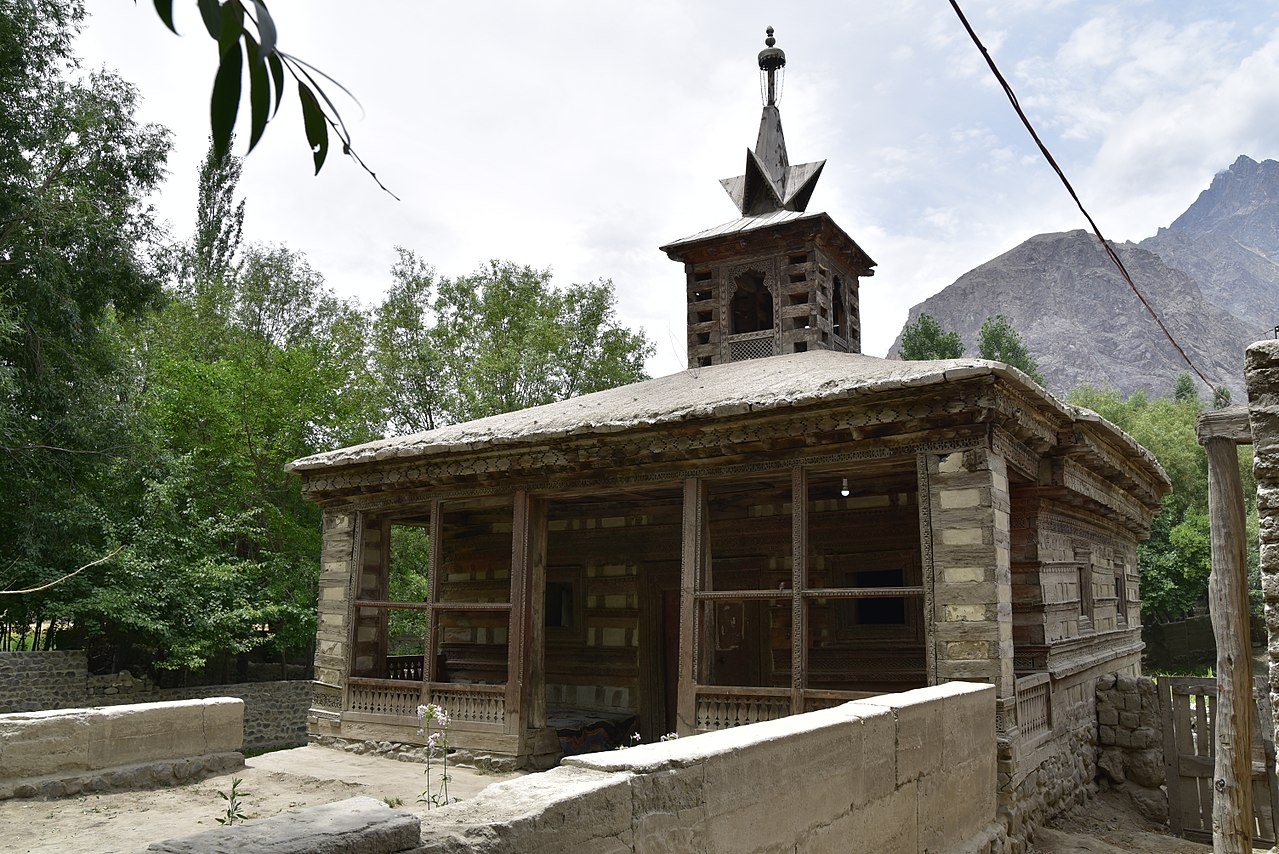
- Materials and craft: use of sandstone, marble and glazed tiles alongside traditional timber and brick techniques.
- Gardens and urban layout: Persian-influenced charbagh gardens and axial approaches for major tombs and palaces.
- Syncretism: incorporation of Hindu motifs, local column forms and roof profiles in many regional buildings.
History and development
The early phase began with the dynasties that established power in northern India from the late 12th and 13th centuries. Over time, the style evolved under successive powers—most notably the Delhi Sultanate and later the Mughal empire—each contributing new structural techniques and decorative trends. Mughal architects synthesized Persian planning with Indian materials to produce some of the most famous monuments, while regional courts such as those in the Deccan and Bengal developed distinct local variants.
Rather than replacing earlier traditions, Indo-Islamic architecture frequently blended them. Stone carving, bracketed eaves and pillared verandas persisted in many buildings, while new elements like the true arch and extensive tilework were introduced. This interchange produced buildings that are at once emblematic of Islamic architectural vocabulary and expressive of South Asian craft traditions.
Notable examples and legacy
Monuments across the subcontinent—from early mosque complexes and fortifications to imperial tombs and civic buildings—illustrate the breadth of the tradition. These works have cultural and historical importance: they shaped urban identities, influenced later colonial-era architecture, and continue to be the focus of conservation efforts. Many sites are protected and studied for their architectural innovations and artistic achievements.
For further reading and resources, see the following references and surveys:
- General surveys of Indo-Islamic architecture
- Technical studies in structural and engineering aspects
- Regional studies of the Indian subcontinent
- Comparative work on West and Central Asian influences
- Studies of Islamic artistic and epigraphic traditions
- Research on early Sultanate monuments in Delhi and surrounding areas
- Conservation resources and heritage management
Related articles
Author
AlegsaOnline.com Indo-Islamic architecture: forms, history and legacy Leandro Alegsa
URL: https://en.alegsaonline.com/art/47194