
Interior Design: Principles, History, and Practical Applications
Overview of interior design: core elements, historical development, professional practice, common uses, sustainability, accessibility, education and contemporary trends shaping interior environments.
Overview
Interior design is the discipline of planning and arranging interior spaces to meet human needs for function, safety, comfort and aesthetic experience. It brings together visual composition, spatial organization and practical systems—such as lighting, acoustics and climate control—to create environments for living, working and leisure. Designers address both everyday domestic needs and specialized requirements in workplaces, healthcare, retail and public buildings.
Image gallery
10 Images


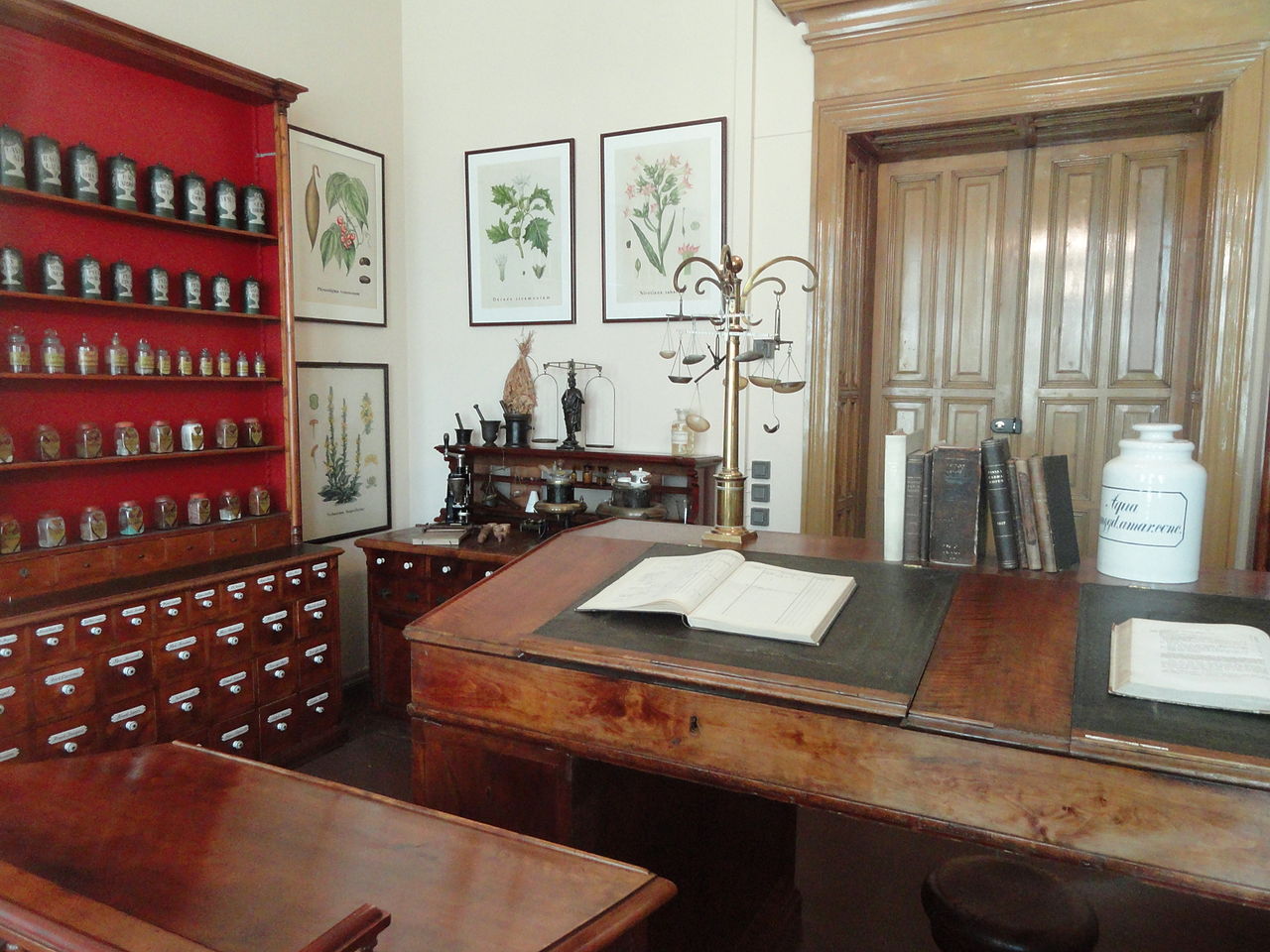

Core elements and components
A coherent design solution combines several interrelated elements. Key components include:
- Space and layout — organization of areas and circulation to support activities and safety.
- Color and light — natural and artificial lighting plus color choices that influence mood and perceived scale.
- Materials and finishes — selection of flooring, wall coverings, textiles and hardware for durability and tactile quality.
- Furniture, fixtures and equipment — ergonomic and proportionate items that serve specific functions.
- Details and decor — accessories, artwork and planting that provide personality and visual coherence.
History and development
Interior design developed from architecture, decorative arts and domestic management. Industrialization, new materials and changing social patterns in the nineteenth and twentieth centuries professionalized the field. Movements such as Arts and Crafts, Modernism and postmodernism influenced stylistic and conceptual approaches, while contemporary practice draws on sustainability, technology and cross-disciplinary research.
Process and practice
Typical practice begins with a client brief and site analysis, followed by concept development, schematic plans, selection of materials and detailed specifications. Designers must consider building codes, accessibility standards and budget management. Collaboration with architects, engineers, contractors and specialists is essential to integrate structural, mechanical and safety requirements with aesthetic goals.
Uses and importance
Interior design affects homes, offices, retail, hospitality, healthcare and public institutions. Well-designed interiors can improve wellbeing, safety and productivity, and reinforce cultural identity or brand values. Small interventions—improved lighting, better furniture layout or acoustic treatments—often yield significant benefits for usability and comfort.
Education, regulation and professional roles
Paths into the profession include formal degrees in interior design or architecture, apprenticeships and continuing professional development. In many jurisdictions, practitioners must meet regulatory standards or hold certifications to work on specialized projects or to use the title "interior designer." Roles range from residential decorators to project managers and specialist consultants in conservation, healthcare design or sustainable practice.
Materials, sustainability and trends
Contemporary trends emphasize sustainable materials, energy-efficient systems, adaptable layouts and biophilic design that connects occupants to nature. Digital tools—CAD, 3D rendering and building information modeling (BIM)—help designers visualize spaces and coordinate technical information. Accessibility, resilience and long-term maintenance are increasingly integral to responsible design decisions.
Distinctions
Interior design differs from interior decorating in scope and technical responsibility: design integrates structure, regulations and ergonomics, while decorating primarily focuses on surface appearance. Architecture addresses the whole building; interior designers concentrate on internal environments and how they function for people.
Related articles
Author
AlegsaOnline.com Interior Design: Principles, History, and Practical Applications Leandro Alegsa
URL: https://en.alegsaonline.com/art/47595
Sources
- tea-after-twelve.com : "Tea after Twelve"
- drkhaldoon.com : McCullough.C. Evidence-Based Design for Healthcare Facilties.
- jfa.arch.metu.edu.tr : Ergonomics and universal design in interior architecture education