
Ionic order (classical architectural order)
The Ionic order is a classical Greek and Roman architectural style defined by slender columns, bases, scrolled volute capitals, fluted shafts and a continuous frieze; widely used from antiquity through neoclassicism.
The Ionic order is one of the principal classical orders of ancient Greek and Roman architecture. It is most readily identified by its capitals, which feature paired spiral scrolls known as volutes, and by columns that stand upon a distinct base rather than directly on the stylobate. Ionic design occupies a stylistic middle ground between the heavier, more austere Doric and the more ornate Corinthian orders, and it became a lasting model for civic and religious buildings in antiquity and in later revivals.
Image gallery
10 Images


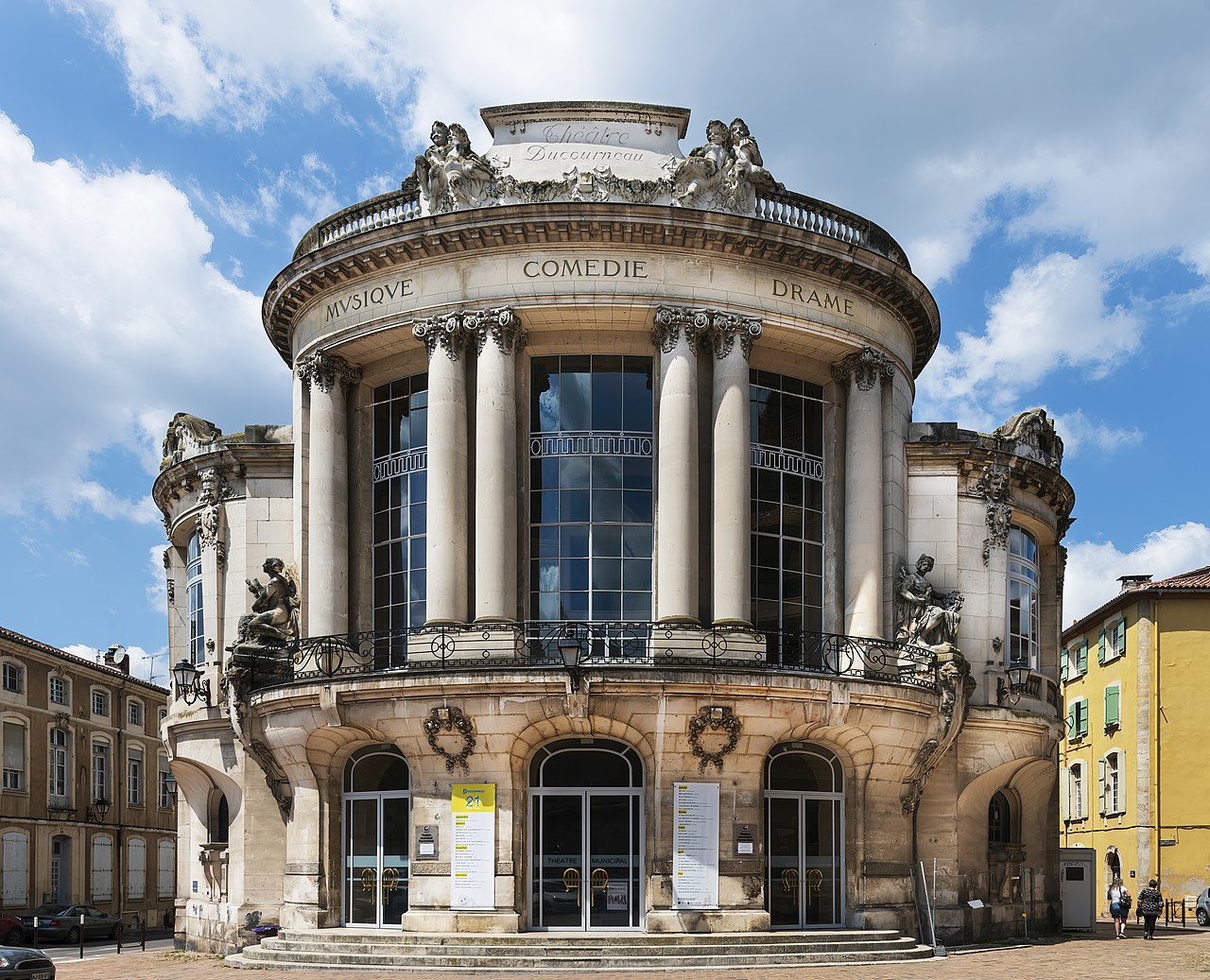


Defining characteristics
Ionic columns are generally more slender than Doric ones, producing a vertical, elegant effect. Common features include:
- Capitals: bilateral volutes that frame a central band of ornament; beneath is often an egg-and-dart or bead-and-reel molding.
- Base: a molded multi-part base separates the shaft from the stylobate; this contrasts with the Doric habit of placing the shaft directly on the platform.
- Shaft: typically fluted, with closely spaced grooves; classical examples commonly show many shallow flutes that enhance verticality.
- Entablature: frequently a three-part architrave with a continuous frieze that can carry narrative relief sculpture instead of the Doric triglyph and metope system.
Origins and regional varieties
The Ionic order developed in the coastal regions of Anatolia and the central Aegean, areas associated with the Ionian Greeks; from there it spread to mainland Greece and the islands. Distinct local varieties emerged: what later writers and modern scholars sometimes call Attic (associated with Athens) and Asiatic Ionic show differences in proportions and decorative treatment. The Ionic vocabulary was adapted to local stone, scale and decorative traditions, producing a range of regional expressions.
Ornament and proportion
Proportion systems used by ancient builders produced a slimmer profile than Doric columns, often with a height-to-diameter ratio that emphasizes grace. Decorative motifs commonly associated with Ionic architecture include palmettes, floral rosettes, dentils in the cornice, and enriched moldings. Ionic capitals themselves were treated with varying degrees of complexity: some are restrained and geometric, others incorporate additional scrolls, volute rolls or surface-carving to frame sculptural programs on the entablature. For practical study, architects and historians consult measured drawings and surviving fragments to reconstruct these conventions.
Historical use and legacy
The Ionic order was widely used for Greek temples, stoas and civic buildings where a lighter, more decorative appearance was desired. Notable ancient examples that illustrate Ionic use include the Erechtheion and the Temple of Athena Nike on the Athenian Acropolis, and large Ionic sanctuaries in Asia Minor such as the site of the great Artemision at Ephesus in its later phases. Romans adopted and adapted Ionic forms for temples, public buildings and domestic architecture, combining Ionic details with other orders and with innovations such as engaged columns; the Roman adaptation can be seen in many surviving urban temples.
Revival and modern application
During the Renaissance and again in the 18th and 19th century neoclassical revivals, the Ionic order was revived as a sign of learned taste and civic dignity. Architects employed Ionic columns for porticos, bank façades, university buildings and museums to convey refinement and a classical pedigree. Contemporary conservation and restoration practice studies Ionic members closely to preserve authentic profiles and ornamentation when treating ancient ruins or historic buildings.
For introductory and technical discussions see architectural manuals and surveys of classical orders that treat proportion, moldings and decorative vocabulary in detail; many such works illustrate differences between local Ionic types and the ways the order was combined with other motifs. Further reading and image collections can be found in specialist publications and museum catalogues that document surviving examples and fragments.
Related topics: the development of the other major orders, comparative studies of capitals and bases, and the use of the Ionic motif in later academic and popular architecture. For general context about classical architecture and its terminology consult standard references on ancient building practice and architectural history.
See also: classical orders overview and regional studies of Ionic monuments and inscriptions.
Related articles
Author
AlegsaOnline.com Ionic order (classical architectural order) Leandro Alegsa
URL: https://en.alegsaonline.com/art/47988
Sources
- study.com : "Ionic Order of Greek Architecture: Definition & Example Buildings"
- khanacademy.org : "Greek architectural orders"
- penelope.uchicago.edu : "Ionic Order"