
Insulated glazing (double and triple glazing): design, function and uses
Insulated glazing uses two or more sealed glass panes with an air or inert-gas gap to reduce heat transfer, improve sound control and increase energy efficiency. Covers structure, history, benefits and selection considerations.
Insulated glazing—commonly called double glazing or triple glazing—is a window assembly made from two or more panes of glass separated by a sealed gap and installed in a framed unit. The finished product functions as a single, factory-sealed window element designed to slow the movement of heat, improve acoustic insulation and reduce condensation on interior surfaces.
Image gallery
10 Images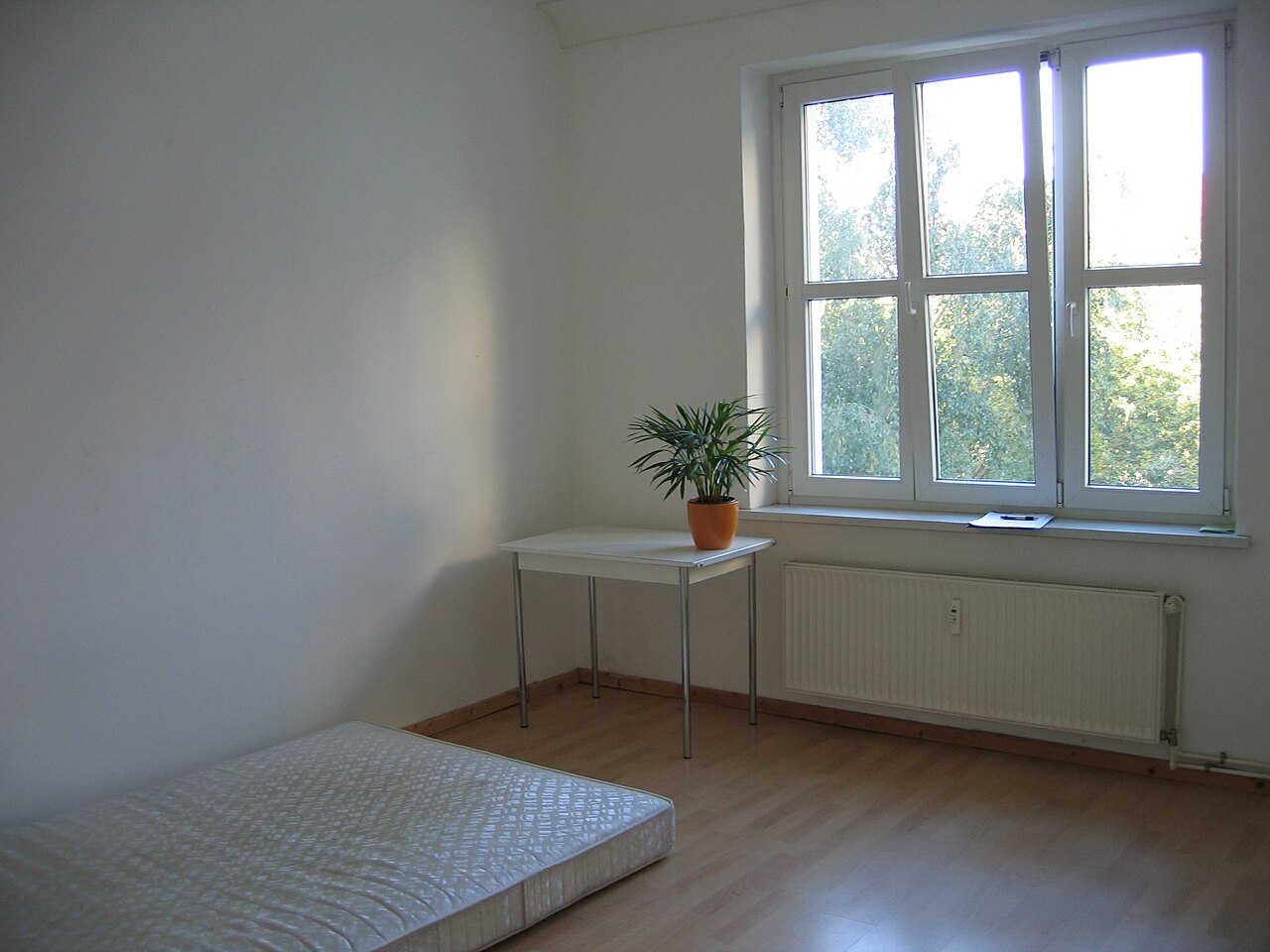







Structure and main components
An insulated-glass unit typically contains several standardized parts: the outer and inner glass panes, a spacer that establishes the gap width, a desiccant within the spacer to absorb moisture, and a continuous perimeter seal that keeps the cavity airtight. The space between panes may be filled with dry air or a heavier inert gas such as argon, and one or more glass surfaces can carry low-emissivity coatings to reduce radiative losses.
How insulated glazing reduces heat transfer
These units work by interrupting the three modes of heat transfer. Insulated glazing limits conduction and convection across the glazing cavity because the gap reduces direct solid conduction and suppresses air currents. Thermal radiation can cross the opening unless reflected by coatings; a true vacuum would prevent convection but is uncommon because it is more complex and costly to manufacture.
History and technological development
Multiple-pane glazing concepts emerged as builders sought improved thermal comfort and energy performance. Sealed insulated-glass units became commercially practical in the 20th century with better sealants, spacer systems and mass production. Recent developments emphasize improved edge seals, warm-edge spacers that reduce heat loss at the perimeter, and advanced low-emissivity coatings that balance visible light transmission with infrared reflection.
Applications, advantages and limitations
Insulated glazing is widely used in residences, offices and commercial façades to reduce heating and cooling loads, lower noise infiltration and prevent surface condensation. Advantages include enhanced energy efficiency, greater occupant comfort and potential cost savings on utilities. Limitations can include higher initial cost and weight compared with single-pane glass, and the possibility of seal failure over long service lives that causes fogging and moisture ingress.
Selection, performance and maintenance
- Choosing a unit: consider climate, orientation, solar heat gain, desired daylighting and frame compatibility.
- Performance metrics: manufacturers provide U-factor, R-value and solar heat gain coefficient to compare products.
- Maintenance: sealed units require little routine care beyond cleaning; however, broken seals usually require unit replacement rather than repair.
Understanding the components, measured performance and trade-offs helps architects, homeowners and specifiers choose the right insulated glazing for comfort, energy efficiency and longevity.
Related articles
Author
AlegsaOnline.com Insulated glazing (double and triple glazing): design, function and uses Leandro Alegsa
URL: https://en.alegsaonline.com/art/47515
Sources
- commons.wikimedia.org : Insulated glazing