
Impeachment process against Richard Nixon
The 1973–74 House of Representatives inquiry and Judiciary Committee proceedings into President Nixon's role in the Watergate affair, which produced articles of impeachment before his resignation.
Overview: The impeachment process against Richard Nixon began amid the larger Watergate scandal and reached its most active phase in late 1973 and 1974. Public concern intensified after the episode known as the "Saturday Night Massacre," and the House of Representatives began formal steps to determine whether the president had committed "high crimes and misdemeanors." The Watergate break‑in and subsequent cover‑up had already been the focus of journalism and congressional inquiry, and the impeachment effort sought to translate those facts into a constitutional remedy.
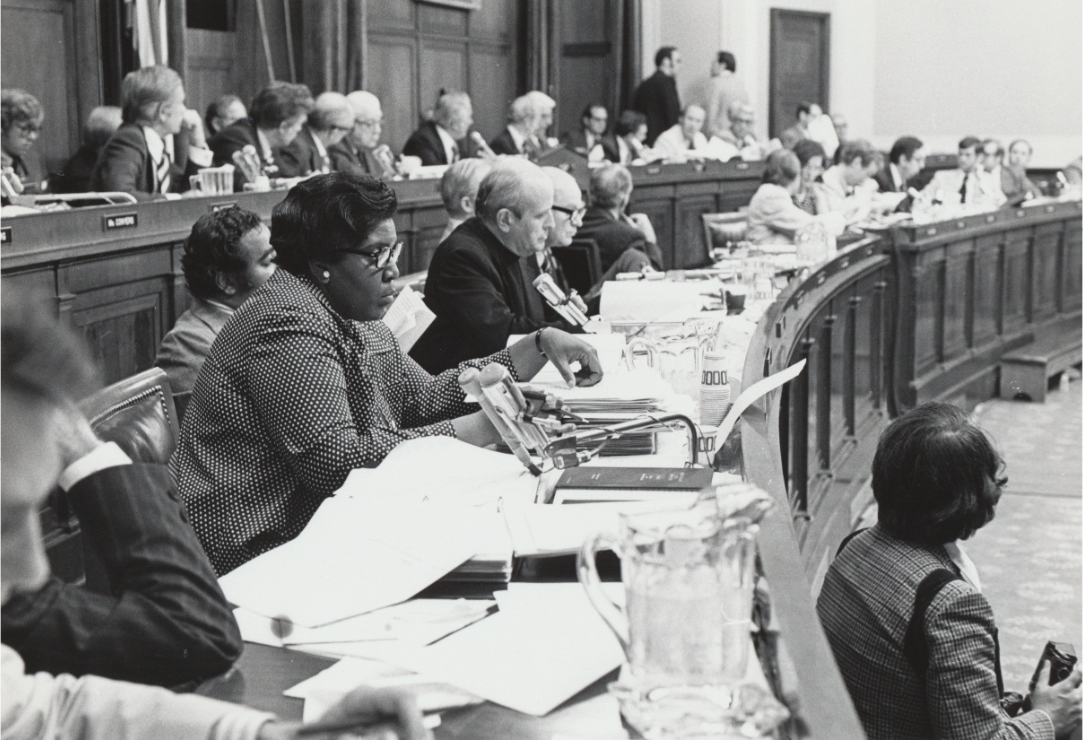
Launch and authority: On October 30, 1973 the House of Representatives took initial action in response to mounting evidence and calls for accountability. The House Judiciary Committee appointed an impeachment inquiry staff and, on February 6, 1974, the full House gave that committee explicit authority to investigate whether sufficient grounds existed to impeach the President under the Constitution. That authorization empowered the Judiciary Committee to gather testimony, subpoena documents, and prepare proposed articles of impeachment.
Preceding investigations: The impeachment inquiry built on work already underway in the United States Senate, where a year earlier a special select committee had formed to examine the 1972 break‑in at the headquarters of the Democratic National Committee. Much of the factual record had been developed in hearings held in Washington, D.C., and in the public reporting tied to the Watergate affair. Those investigations produced evidence—most notably tape recordings of conversations in the Oval Office—that became central to the impeachment consideration.
Image gallery
10 Images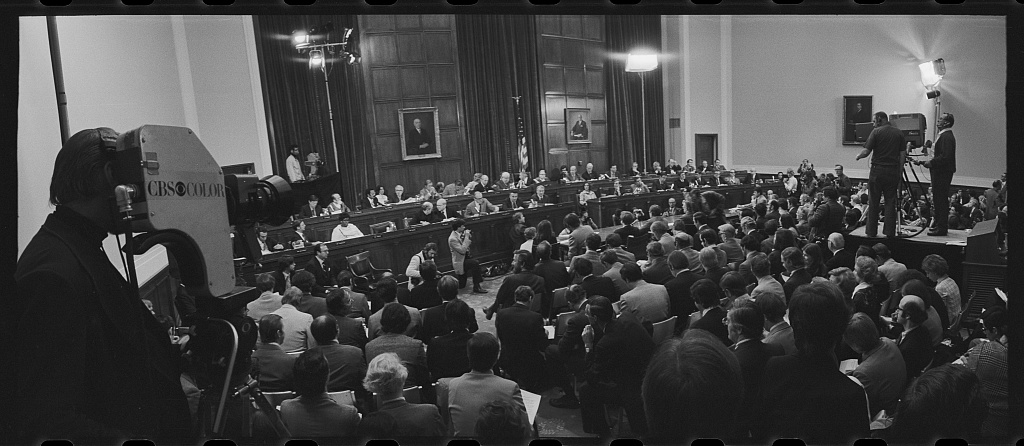


Procedure and central allegations
The Judiciary Committee conducted public and closed sessions, took testimony from officials and aides, and reviewed documents and recorded material. Investigators and counsel examined whether the president had obstructed justice, abused the powers of the office, or failed to honor legal obligations. Key procedural steps included the issuance of subpoenas, legal fights over executive privilege, and the committee's drafting of specific articles for consideration on the House floor.
- Obstruction of justice: allegations that efforts were made to impede investigations into the break‑in and related activities.
- Abuse of power: claims that official actions and uses of government resources sought political advantage or to thwart oversight.
- Contempt and failure to comply with subpoenas or lawful inquiries.
Evidence such as the tape recordings and corroborating witness testimony played a decisive role. The legal contest over whether presidential communications could be compelled reached the Supreme Court, which issued a landmark ruling clarifying limits on executive privilege and the obligation to produce evidence in criminal and congressional inquiries.
Outcome and significance: By the summer of 1974 the Judiciary Committee had approved articles of impeachment and reported them to the full House. Before the House could complete a final floor vote on those articles, Nixon resigned the presidency on August 9, 1974, ending the impeachment process. His resignation remains the only instance of a U.S. president leaving office under that cloud; the subsequent pardon issued by his successor and the legal and political fallout produced enduring debates about accountability, executive power, and the proper limits of privilege.
Legacy
The Nixon impeachment process set important precedents for the interplay of law and politics: it tested congressional investigatory powers, affirmed limits to executive privilege in the face of judicial subpoena, and demonstrated how detailed evidentiary records can shape a constitutional remedy. Its legacy also influenced later reforms in campaign finance law, transparency measures, and the institutional practice of congressional oversight. For students of American constitutional government, the episode remains a central example of impeachment as a political and legal mechanism to address alleged presidential misconduct.
For further research and primary documents related to the inquiries and hearings, consult archival collections and official committee reports referenced in congressional records and contemporary reporting.
References and primary links: see inquiries by the House Judiciary Committee, the investigative reporting on Watergate, records of the Senate select committee, and proceedings of the House in Washington, D.C.. Additional context may be found in biographies of Nixon and histories of the Democratic National Committee break‑in, or in summaries of constitutional provisions governing impeachment.
Related articles
Author
AlegsaOnline.com Impeachment process against Richard Nixon Leandro Alegsa
URL: https://en.alegsaonline.com/art/46876
Sources
- digital.library.unt.edu : "Congressional Resolutions on Presidential Impeachment: A Historical Overview"