
Imber (Wiltshire) — deserted village on Salisbury Plain
Imber is an uninhabited village on Salisbury Plain, England, evacuated in 1943 for military training. Its medieval church and earthworks survive and the site is a notable example of wartime requisition and rural desertion.
Imber is a village on Salisbury Plain in Wiltshire, England, that has been without a permanent civilian population since 1943. Located on a broad chalk plateau in southern England, the village was requisitioned by the British military during the Second World War and incorporated into a large training area. The settlement remains under military control and is generally closed to public habitation, though its buildings and landscape continue to attract attention for historical, archaeological and cultural reasons.
Image gallery
10 Images




Origins and historical development
The locality around Imber shows evidence of human activity dating back to the Iron Age, long before Roman presence in Britain. The village first appears in written records in Saxon times, with a documented mention in the year 967, and it is listed in the Domesday Book of 1086. Over the medieval period Imber developed around a parish church built in the 13th century and a small agricultural community. Population estimates vary by century: the village had roughly 250 residents in the 14th century and grew to a peak of about 440 people by 1851.
Evacuation and military use
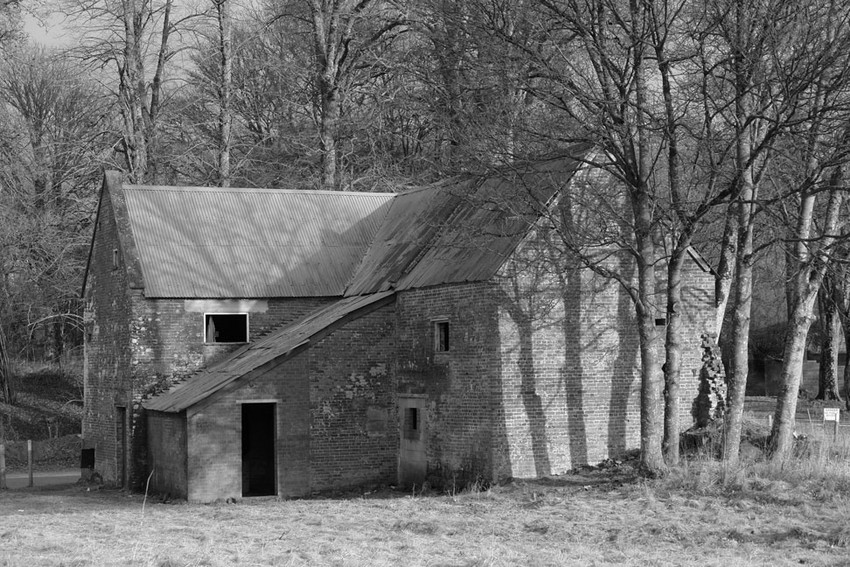
In December 1943 the inhabitants of Imber — then around 150 people — were required to leave so the area could be used as part of an expanded military training range on Salisbury Plain. The evacuation was presented as temporary, but the requisition continued after the war. The land and village have since been administered by the Ministry of Defence and form part of one of the United Kingdom's largest continuous training areas. As a result of this status the village itself remains largely uninhabited and many domestic buildings have fallen into ruin or been altered for training purposes.
Surviving features and conservation
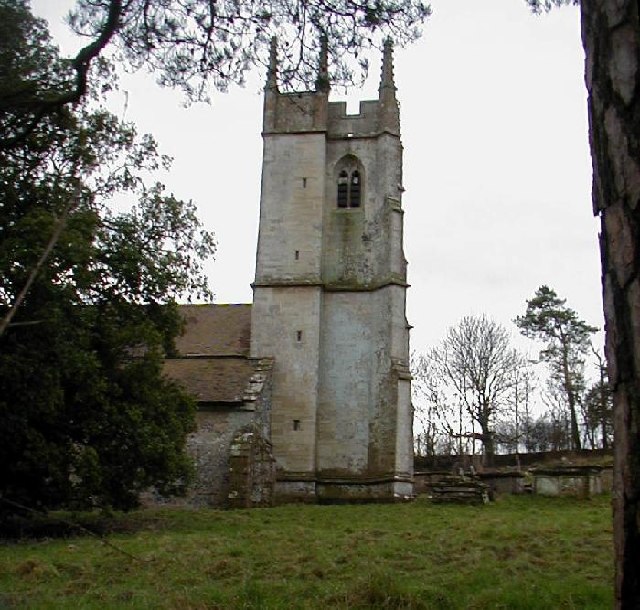
Among the most recognizable survivals in Imber is the medieval parish church (commonly identified as St Giles), which stands within the deserted settlement and has been maintained sufficiently to allow occasional services and visits. Other features include the layout of streets, former houses, and surrounding field boundaries that reveal the village's agricultural past. Access to Imber is restricted for safety when military exercises are underway, but the site is opened to the public on limited occasions, and it remains of interest to archaeologists, historians and those studying rural depopulation and wartime requisition.
Importance and notable aspects
Imber is frequently cited as an example of a community displaced by wartime needs and of long-term military occupation of rural land. Its layered history—from prehistoric activity through Saxon, medieval and modern phases—makes it important for those studying settlement patterns on Salisbury Plain. Over the decades there have been periodic discussions and campaigning around resettlement, access rights and conservation, reflecting the village's emotional and symbolic resonance beyond its small physical footprint.
Visitor information and further sources
Because Imber lies inside an active training area, visits are controlled and typically limited to announced open days or guided events that coincide with pauses in military exercises. Those interested in more detailed records, historical accounts, archaeological reports or current access arrangements may consult local archives, regional guides and official documents.
- Reference link 1
- Reference link 2
- Reference link 3
- Reference link 4
- Reference link 5
- Reference link 6
- Reference link 7
- Reference link 8
- Reference link 9
- Reference link 10
- Reference link 11
- Reference link 12
- Reference link 13
Note: This article synthesizes established facts about Imber's history, population changes and its status as part of a military training area. Specific details about access schedules and the condition of individual buildings change over time; readers should consult official sources or local heritage organizations for the latest information.
Related articles
Author
AlegsaOnline.com Imber (Wiltshire) — deserted village on Salisbury Plain Leandro Alegsa
URL: https://en.alegsaonline.com/art/46826