
Salisbury Plain — geography, archaeology, ecology and military use
Salisbury Plain is a chalk plateau in central southern England noted for Stonehenge and Avebury, extensive calcareous grassland, rich archaeology, military training areas and important conservation designations.
Overview
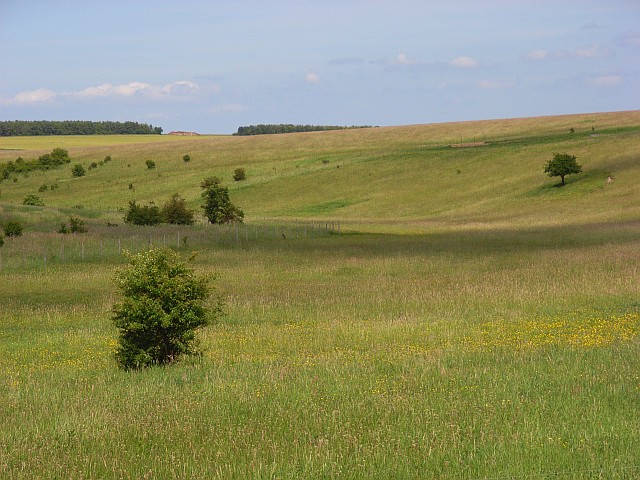
Salisbury Plain is a broad chalk plateau in central southern England covering roughly 300 square miles (about 780 km²). The greater part of the Plain lies within the county of Wiltshire, with a smaller portion extending into Hampshire. The open, rolling downland is punctuated by arable fields, patches of pasture and small woodlands, and is known for its long views and thin, lime-rich soils.
Image gallery
10 Images




Geology and soils
The Plain is underlain by chalk, a soft, permeable limestone formed in shallow seas during the Cretaceous period. Chalk bedrock produces free-draining, calcareous soils that support the distinctive downland vegetation. The surface is cut by dry valleys and occasional escarpments; groundwater movement in the chalk supports seasonal springs and contributes to local hydrology. Agriculture and past land use have been strongly influenced by these geological conditions.
Landscape and ecology
Salisbury Plain contains one of the largest surviving areas of calcareous grassland in north-west Europe. This habitat supports a specialised assemblage of plants and invertebrates adapted to thin, alkaline soils. Typical flora include turf-forming grasses and a rich variety of wildflowers, including several orchids and low-growing herbs. Butterfly species associated with chalk downland, such as the chalkhill and other specialist blues, are found on the Plain alongside an array of pollinators and other invertebrates. Patches of scrub, hedgerows and small copses provide additional habitat diversity, and scattered stands of beech and pockets of coniferous cover occur in sheltered places; the existence of isolated woodland fragments adds to structural variety.
Archaeology and human history
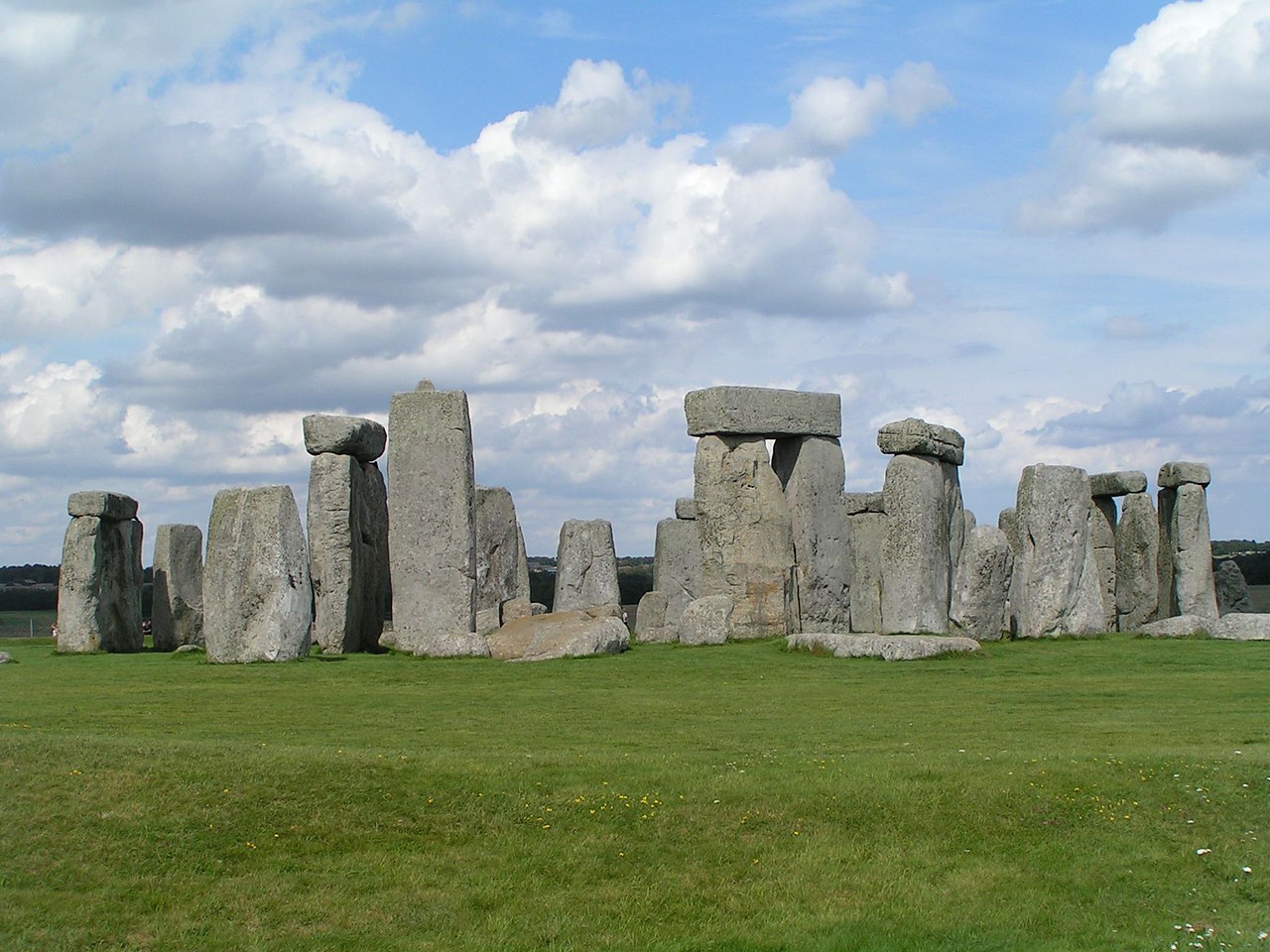
The Plain is internationally renowned for its archaeological richness, reflecting intense human activity from the Neolithic and Bronze Age onwards. Large earthworks, long barrows, burial mounds and ceremonial monuments are widespread. The monument complexes at Avebury and Stonehenge are among the best-known sites and together form a designated World Heritage Site. In addition to these famous circles and avenues, the landscape contains cursus monuments, field systems, Romano-British remains and later historic features that together provide an unusually complete record of prehistoric to historic land use. Archaeological investigation on the Plain continues to inform understanding of past societies and ceremonial practices.
Military use and history
Salisbury Plain has been used for military training since the nineteenth century and now contains some of the largest training areas maintained by the British Army in England. The expansive, open ground and varied gradients make it suitable terrain for a range of exercises. Armoured vehicles and tracked units conduct manoeuvres on parts of the Plain, and training involving tank and infantry operations has long been a feature of the landscape. Several villages, notably Imber, were evacuated for training purposes and are used as realistic settings for urban operations and practice; some restricted areas are opened to the public on infrequent, organised occasions.
Land use and management
The Plain is a working landscape where farming, military training and conservation coexist. Much of the grassland has been retained through a history of grazing and low-intensity agriculture; sheep grazing in particular helps maintain short swards that favour downland species. In places arable cultivation occupies broad fields, while conservation management uses targeted grazing and other measures to protect rare habitats and archaeological features. The balance of uses requires careful planning to avoid damage to ancient monuments and to sustain biodiversity.
Conservation, access and designations
Because of its combination of nationally important archaeology and scarce habitats, large parts of Salisbury Plain are subject to legal protection and specific land-management regimes. Designations include scheduled monuments, Sites of Special Scientific Interest and other national protections. The presence of military ranges means public access varies: a network of public footpaths, bridleways and designated open-access areas allow recreation in many places, but firing ranges and training areas are restricted when in use for safety reasons. Conservation organisations, government bodies and the military cooperate to reconcile training requirements with heritage protection and wildlife conservation.
Notable features
- Stonehenge and its associated ceremonial landscape
- Avebury stone circle and prehistoric earthworks
- Extensive calcareous grassland supporting specialised flora and invertebrates
- Military ranges and training areas operated by the British Army
- Protected monuments and scientific designations, including recognition as a World Heritage Site
For further general information consult regional guides and summaries of archaeology, natural history resources on chalk landscapes and the administrative pages for Wiltshire and Hampshire. Visitors should check access rules and safety notices before entering areas used for training.
Questions and answers
Q: Where is Salisbury Plain located?
A: Salisbury Plain is in central southern England covering 300 square miles (780 km2) and largely lies within the county of Wiltshire, with a little in Hampshire.
Q: What is Salisbury Plain famous for?
A: Salisbury Plain is famous for its rich archaeology, including Avebury and Stonehenge, which are a joint World Heritage Site.
Q: What kind of grassland does Salisbury Plain have?
A: Salisbury Plain is the largest remaining area of calcareous grassland in north-west Europe.
Q: Does Salisbury Plain have any trees?
A: Yes, the Plain has a few small areas of beech trees and coniferous woodland.
Q: Who uses Salisbury Plain as a training ground?
A: The British Army uses Salisbury Plain as its largest training ground in England.
Q: Why is Salisbury Plain suitable for tank manoeuvres?
A: Salisbury Plain is suitable terrain for tank manoeuvres due to its wide-open spaces and sparsely populated area.
Q: What kind of training takes place at Salisbury Plain?
A: Buildings such as Imber are used for urban warfare training at Salisbury Plain in addition to tank manoeuvres.
Related articles
Author
AlegsaOnline.com Salisbury Plain — geography, archaeology, ecology and military use Leandro Alegsa
URL: https://en.alegsaonline.com/art/86481
Sources
- english-nature.org.uk : English Nature Salisbury Plain SSSI citation