
Lists in Writing: Types, Punctuation, and Formatting
Overview of lists in writing — inline, bulleted, and numbered — with punctuation rules, formatting conventions, parallelism tips, and examples for clear, consistent presentation.
A list is a way to group related words or phrases inside a sentence or to present items vertically so they are easy to scan. Writers use lists to organize information, highlight steps or options, and make complex material more accessible. Lists vary in formality and appearance: they can be inline (within a sentence), bulleted (unordered), or numbered (ordered), and each form follows distinct punctuation and formatting conventions.
Image gallery
3 Images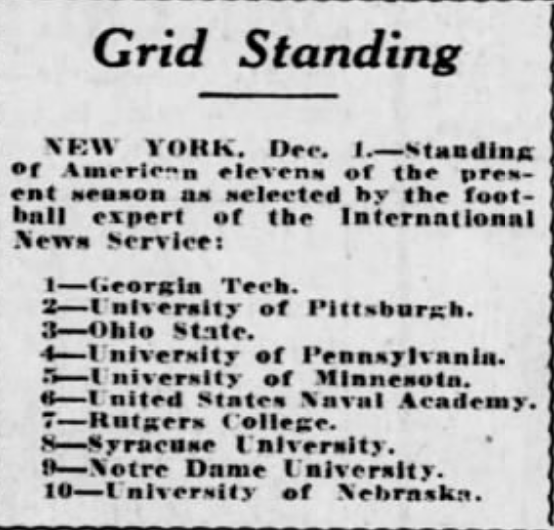


Common types and when to use them
Inline lists are compact and suit brief groups of simple items: "We invited Alice, Ben, and Carla." Bulleted lists present items without implying order and are useful for features, examples, or options. Numbered lists indicate sequence, priority, or steps in a process: use them for instructions or ranked items.
Punctuation and capitalization
Typical rules (which vary by style guide) include:
- Introduce a list with a colon when it follows a complete sentence: "Bring three things: a pen, paper, and water."
- Use commas for simple inline lists. Many guides recommend the serial (Oxford) comma before the final item for clarity: "red, white, and blue."
- Use semicolons to separate inline items that contain internal commas: "We visited Albany, New York; Paris, France; and Tokyo, Japan."
- In vertical lists, capitalize the first word of each item if items are complete sentences or contain proper nouns. End full-sentence items with periods; otherwise, punctuation at the end of fragmentary items is optional but should be consistent.
Structure and parallelism
Maintaining parallel grammatical structure across list items improves readability. If one item begins with a verb in the -ing form, for example, make the others match: "Shopping for groceries, cooking dinner, and washing dishes." Inconsistent forms can distract readers and weaken emphasis.
Formatting tips and variations
Choose bullet style and indentation to suit document design. For complex lists, use nested numbering or bullets to show hierarchy. When listing long clauses or sentences, consider making each item a full sentence and punctuating accordingly. Always be guided by your intended audience and the relevant style manual (e.g., AP, Chicago, MLA) for formal contexts.
Examples
- Inline: "Please pack socks, a toothbrush, and a jacket."
- Bulleted:
- Research background
- Method and materials
- Results and discussion
- Numbered (sequence):
- Preheat the oven to 180°C.
- Mix the dry ingredients.
- Bake for 25 minutes.
Lists are a simple but powerful tool for organizing information. Applying consistent punctuation, capitalization, and parallel structure ensures lists communicate clearly and professionally.
Related articles
Author
AlegsaOnline.com Lists in Writing: Types, Punctuation, and Formatting Leandro Alegsa
URL: https://en.alegsaonline.com/art/124456