
Anticyclone (high-pressure system)
A large-scale high-pressure weather system marked by descending air, outward surface flow and usually stable, clear conditions. Anticyclones influence regional climate, air quality and storm tracks.
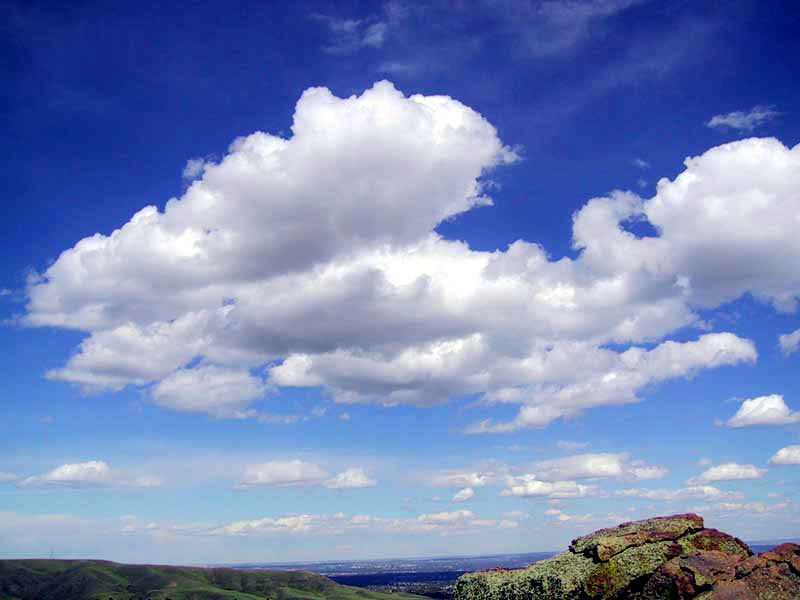
An anticyclone is a large-scale atmospheric circulation feature in meteorology characterized by higher-than-normal pressure at the surface and predominant sinking air. The descending motion suppresses cloud formation, so anticyclones are commonly associated with calm, clear conditions and weak precipitation. They contrast with a cyclone, which is a low-pressure system with rising air and more unstable weather.
Image gallery
6 Images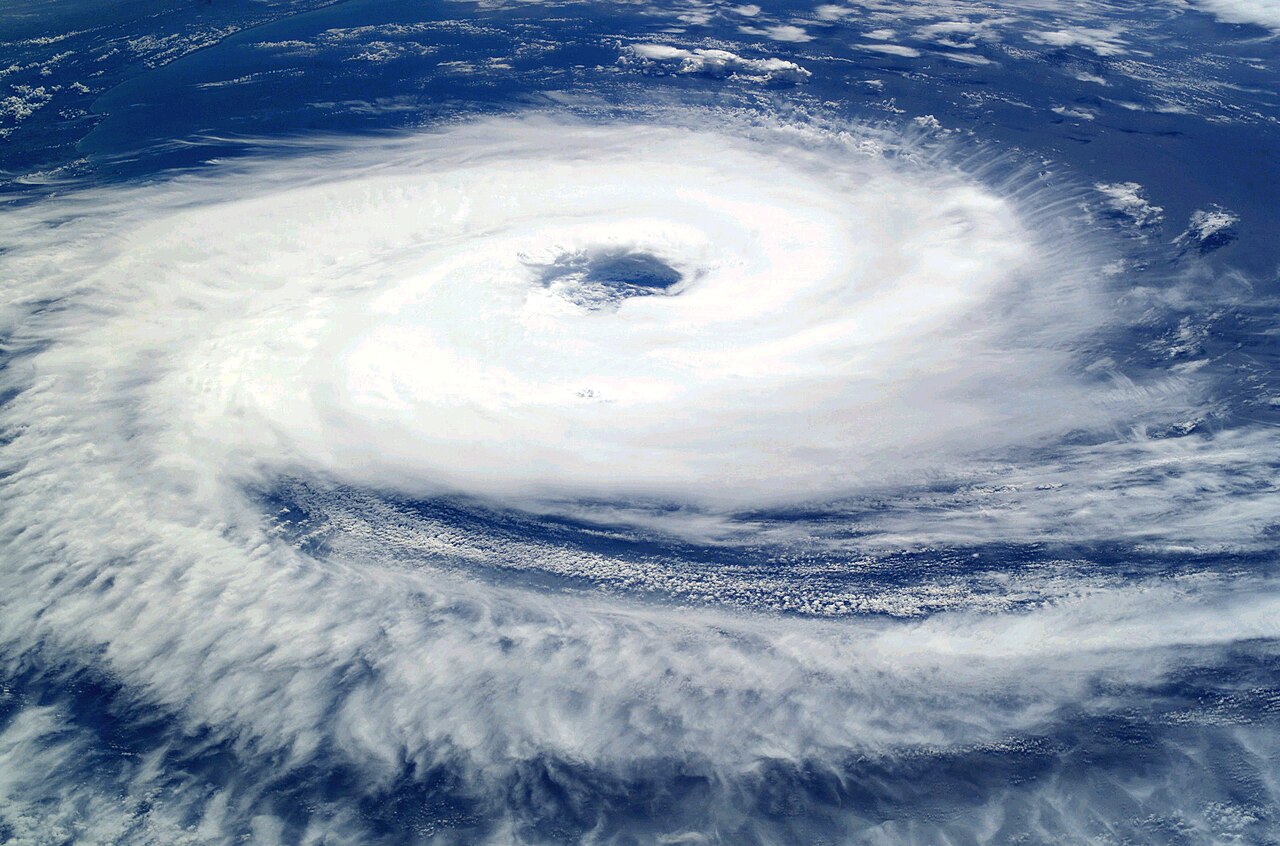


Key characteristics
Typical properties of an anticyclone include:
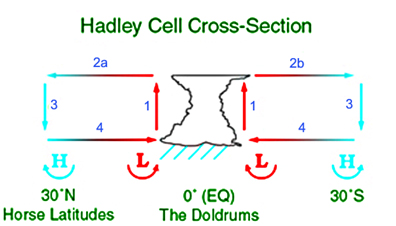
- Subsidence: air slowly descends from higher levels, warming adiabatically and inhibiting convection; this air movement reduces cloudiness.
- Surface divergence: near the ground winds flow outward from the high, which reinforces the high-pressure center (high pressure).
- Rotational sense: in the Northern Hemisphere winds circulate clockwise around the center, while in the Southern Hemisphere the rotation is counterclockwise; this anticyclonic turning is opposite to that around a low.
- Stability and visibility: weaker winds and fewer clouds often mean long periods of settled weather and good visibility.
Formation and varieties
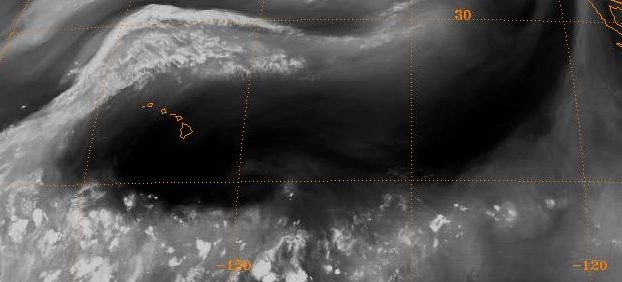
Anticyclones form for several reasons, including large-scale atmospheric ridges, cooler dense air pooling over continents, or the westward drift of subtropical highs. Some are seasonal and semi‑permanent (for example, subtropical highs over oceans), while others are transient features that move with the general circulation. They can be described as warm‑core or cold‑core depending on their vertical temperature structure.
Impacts and examples
Because they tend to suppress precipitation and mixing, anticyclones have a range of practical effects. They can bring prolonged fair weather and sunshine, but they can also contribute to heat waves in summer or intense nighttime cooling and frost in winter. Stable conditions may trap pollutants and lead to poor air quality in valleys and cities. Large or persistent anticyclones — sometimes called blocking highs — can divert storm tracks and influence regional climate for days to weeks.
Distinctions and notable facts
An anticyclone is essentially a region of surface high pressure produced by descending air from aloft. It affects the planet's surface it covers and often radiates outward from its center (center) rather than drawing air inward as a cyclone does. Understanding anticyclones is important for forecasting clear weather, anticipating extremes of temperature, and managing air pollution episodes.
For further introductory material and technical details see resources in atmospheric science and operational forecasting (meteorology overview, cyclone comparison, weather impacts).
Related articles
Author
AlegsaOnline.com Anticyclone (high-pressure system) Leandro Alegsa
URL: https://en.alegsaonline.com/art/4632