
Aquamarine (gemstone)
Aquamarine is the blue‑green variety of beryl prized as a gemstone. Noted for its sea‑like hues, clarity and durability, it is the traditional birthstone for March and a popular jewelry gem.
Overview
Aquamarine is the transparent to translucent blue or blue‑green variety of the mineral beryl. Its name derives from the Latin aqua marina, meaning "sea water," in reference to its characteristic color. Aquamarine is widely used as a faceted and cabochon gemstone and is traditionally listed as one of the birthstones for March.
Image gallery
10 Images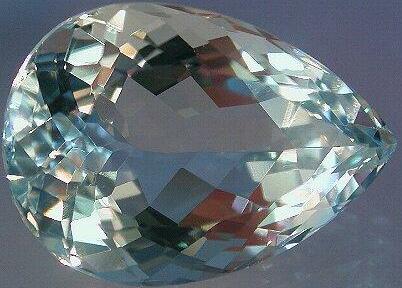





Composition and appearance
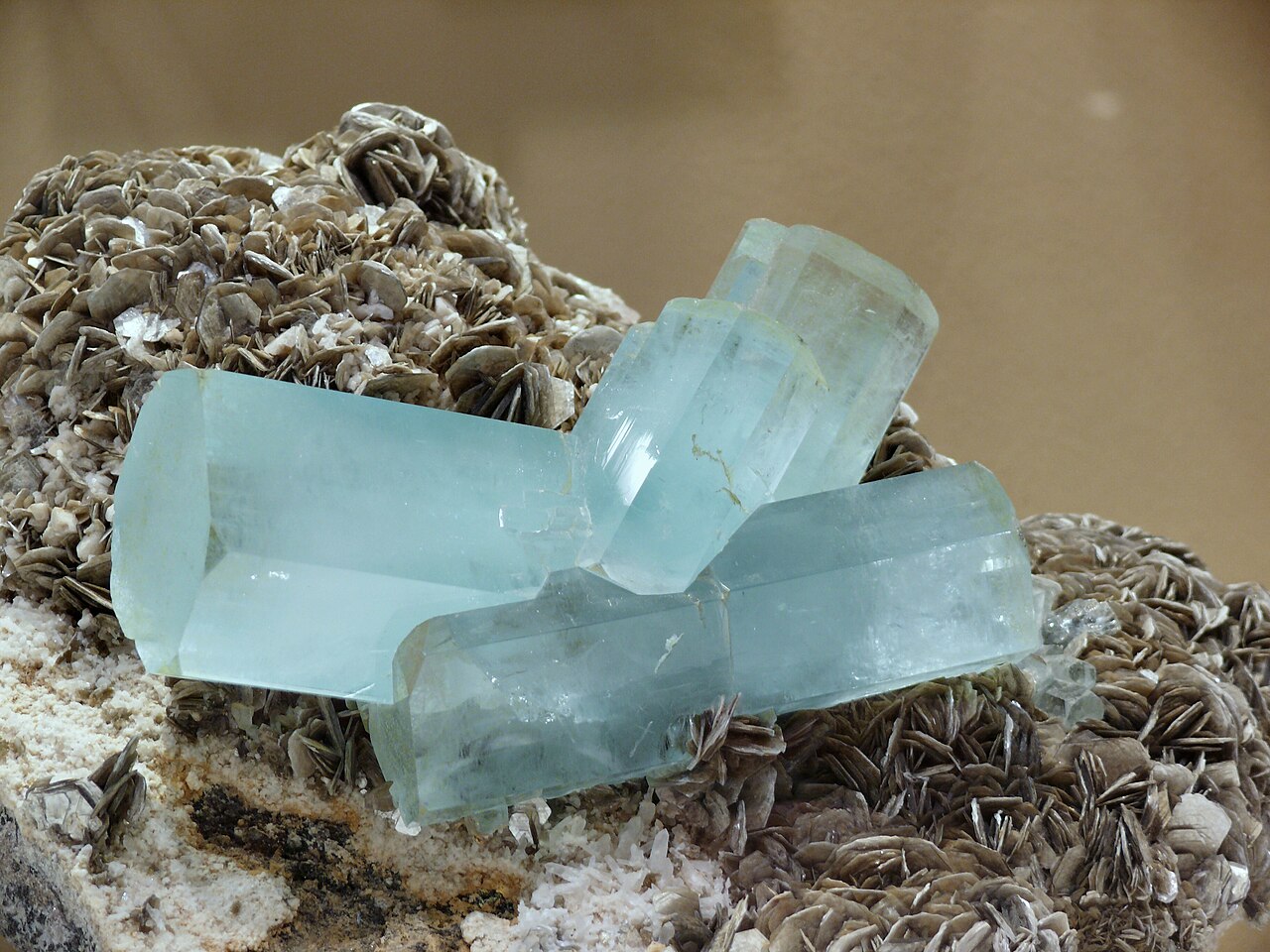
As a member of the beryl family, aquamarine has the chemical formula Be3Al2(Si6O18) and a Mohs hardness of about 7.5–8, which makes it durable enough for most types of jewelry. It commonly forms hexagonal prismatic crystals and can range from very pale blue to vivid blue‑green. The color is usually produced by traces of iron within the crystal structure.
The gemstone's hue is often described as blue‑green or sea‑blue; this likeness to shallow coastal waters has prompted comparisons to images of the sea (shallow seas) and inspired the general color name aquamarine. Clarity is typically high in aquamarine crystals, and stones with few inclusions are prized.
History and sources
Aquamarine has been known and valued for centuries in many cultures, often associated with sailors and maritime lore as a protective talisman. Major modern sources include Brazil, parts of Africa, Madagascar, Pakistan and other regions where pegmatite deposits produce gem‑quality crystals. Large clean crystals make aquamarine a popular stone for sizable, well‑cut gems.
Uses, care and treatments
Aquamarine is primarily used in jewelry: rings, necklaces, earrings and brooches. Common cuts include emerald and step cuts that emphasize the stone's clarity and color. Heat treatment is widely used to reduce greenish tones and produce a more desirable blue color.
- Typical uses: faceted gems, cabochons, collector crystals.
- Care: generally durable; clean with warm soapy water and a soft brush. Avoid prolonged exposure to high heat and abrasive chemicals. Some heavily included specimens may be sensitive to ultrasonic cleaners.
- Value factors: color intensity, clarity, size and cut determine market price; deeper, pure blue stones tend to be most valuable.
Distinctions and related gems
Aquamarine is one of several gem varieties of beryl, alongside emerald (green), morganite (pink), heliodor (yellow) and goshenite (colorless). While emeralds owe their color to chromium or vanadium, aquamarine's tones are attributed mainly to iron. Its combination of attractive color, good clarity and reasonable hardness make it a staple of gemology and jewelry design.
Tags
Related articles
Author
AlegsaOnline.com Aquamarine (gemstone) Leandro Alegsa
URL: https://en.alegsaonline.com/art/5087