
Antibes — coastal town on the French Riviera
Antibes is a historic port town on the Côte d'Azur in the Alpes-Maritimes department, known for its old town, Cap d'Antibes peninsula, Port Vauban marina and cultural festivals.
Overview
Antibes is a commune on the southeastern coast of France, situated on the Mediterranean between Nice and Cannes in the Alpes-Maritimes. Positioned on the famed Côte d'Azur, it combines a compact medieval centre with a busy modern harbour and a long reputation as a destination for visitors, artists and yacht owners.
Image gallery
10 Images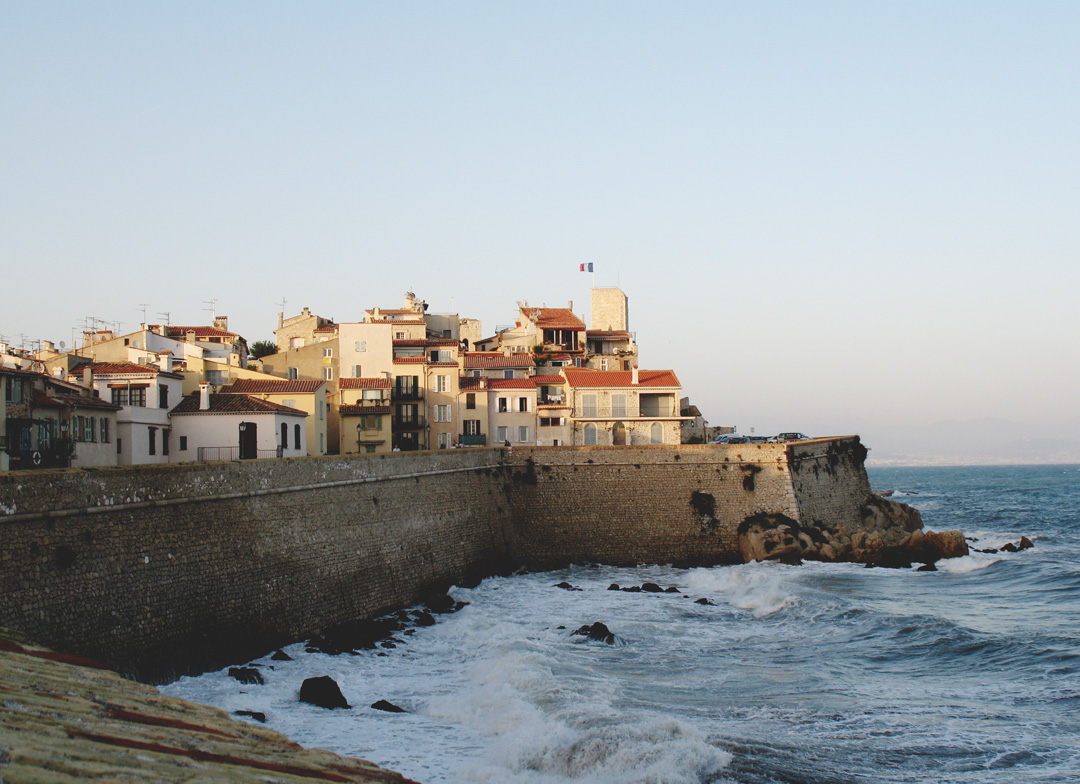




Geography and urban layout
The town includes a historic walled old town built on a headland, the elegant residential Cap d'Antibes peninsula, the seaside district of Juan-les-Pins, and the extensive Port Vauban marina. Beaches, promenades and parks alternate with narrow streets, markets and shaded squares. Its Mediterranean climate supports pine and maritime scrub on the headland and ornamental gardens in town.
History and development
Antibes traces its origins to the ancient Greek settlement of Antipolis and later became part of the Roman world. Over centuries it developed as a fortified harbour; vestiges of ramparts and Fort Carré reflect its military role. In the modern era the town shifted toward tourism, leisure boating and cultural promotion while conserving its historic core.
Culture, economy and uses
Tourism, yachting and services dominate the local economy. Port Vauban is notable for hosting large private yachts and is considered one of the Mediterranean's important marinas. The nearby technology park Sophia Antipolis has diversified the regional economy inland. Cultural life is lively: Juan-les-Pins stages the long-running Jazz à Juan festival, and Antibes hosts museums, galleries and seasonal events.
Sights and notable facts
- The Picasso Museum, housed in the Château Grimaldi, displays works and exhibitions tied to the artist's stay in town.
- Fort Carré and the city ramparts provide historical views over the sea and harbour.
- Cap d'Antibes features coastal paths and notable villas that exemplify the area's maritime elegance.
Practical information and distinctions
Antibes is served by regional rail and road links to nearby Nice and Cannes and is accessible from the regional airport. Its combination of an intact medieval centre, significant marina, cultural institutions and seaside leisure makes Antibes a representative example of a historic Mediterranean resort balanced with modern nautical activity.
History
Antibes is one of the oldest cities on the Côte d'Azur, it was founded around 340 BC by the Greeks. It originated from the Greek city Antipolis (ancient Greek Αντίπολις). Antipolis means "city opposite"; it is unclear opposite what other city or fortress. In the fourth century B.C. the Greeks established a small trading post here, consisting of warehouses from which trade with the coastal inhabitants was conducted outside the city walls. Later, Antibes was developed by the Romans to an important city and in the late antiquity also bishop's seat. A votive inscription to the god Olloudius found here dates from Roman times.
In 1386 Antibes fell into the possession of the Grimaldi, who sold it to France in the 16th century. The French king had Antibes developed into a fortress after Nice fell to Savoy in the 14th century.
On 1 March 1815, Napoleon, who had fled from Elba, landed in Antibes. After a march on Paris, his "Reign of the Hundred Days" followed.
The seaside resort of Juan-les-Pins was founded in 1882. At the beginning of the 20th century, many writers and artists, including Pablo Picasso, settled in the town.
Population development
| Number of inhabitants | ||||||||
| Year | 1962 | 1968 | 1975 | 1982 | 1990 | 1999 | 2006 | 2016 |
| Inhabitants | 35.439 | 47.547 | 55.960 | 62.859 | 70.005 | 72.412 | 75.820 | 73.798 |
Tags
Related articles
Author
AlegsaOnline.com Antibes — coastal town on the French Riviera Leandro Alegsa
URL: https://en.alegsaonline.com/art/4624