
Hundred Days (Napoleon's return and the War of the Seventh Coalition)
The Hundred Days refers to Napoleon Bonaparte’s return from Elba in March 1815, the brief restoration of his rule, the military campaigns that followed (notably Waterloo), and the Bourbon restoration in July 1815.
Overview
The term "Hundred Days" denotes the interval from Napoleon Bonaparte's escape from exile and return to power in France to the second restoration of the Bourbon monarchy in 1815. Conventionally dated from 20 March to 8 July 1815, the episode actually lasted 111 days. It encompassed Napoleon's seizure of control in Paris, a rapid reorganization of French forces, and the allied response known collectively as the War of the Seventh Coalition.
Image gallery
10 Images





Background and return
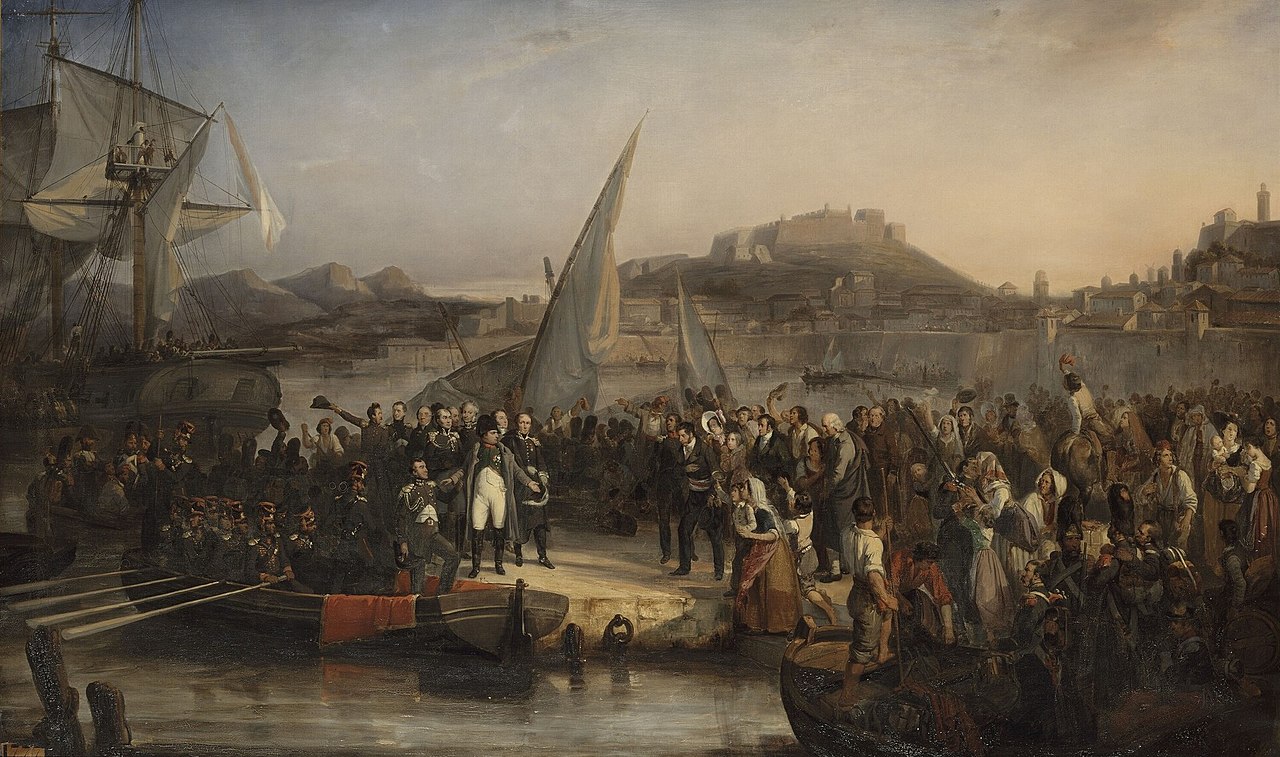
After abdicating in 1814 Napoleon was sent to the island of Elba, where he remained under a nominal sovereignty. Political unease in metropolitan France and dissatisfaction with the restored Bourbon regime encouraged his daring escape. Landing on the mainland, Napoleon marched toward France, gathering support from troops and citizens who opposed King Louis XVIII. He entered Paris on 20 March and quickly reconstituted a government intended to placate moderates and retain the army's loyalty.
Political measures and domestic changes
During the Hundred Days Napoleon issued an updated constitutional text and promised liberal reforms aimed at winning public acceptance. He attempted a conciliatory stance toward former opponents while mobilizing veterans and new conscripts to meet the mounting threat from the anti‑French coalition. A plebiscite and administrative changes sought to legitimize his return but could not erase the urgency of the military crisis forming beyond France's borders.
Military campaigns and Waterloo
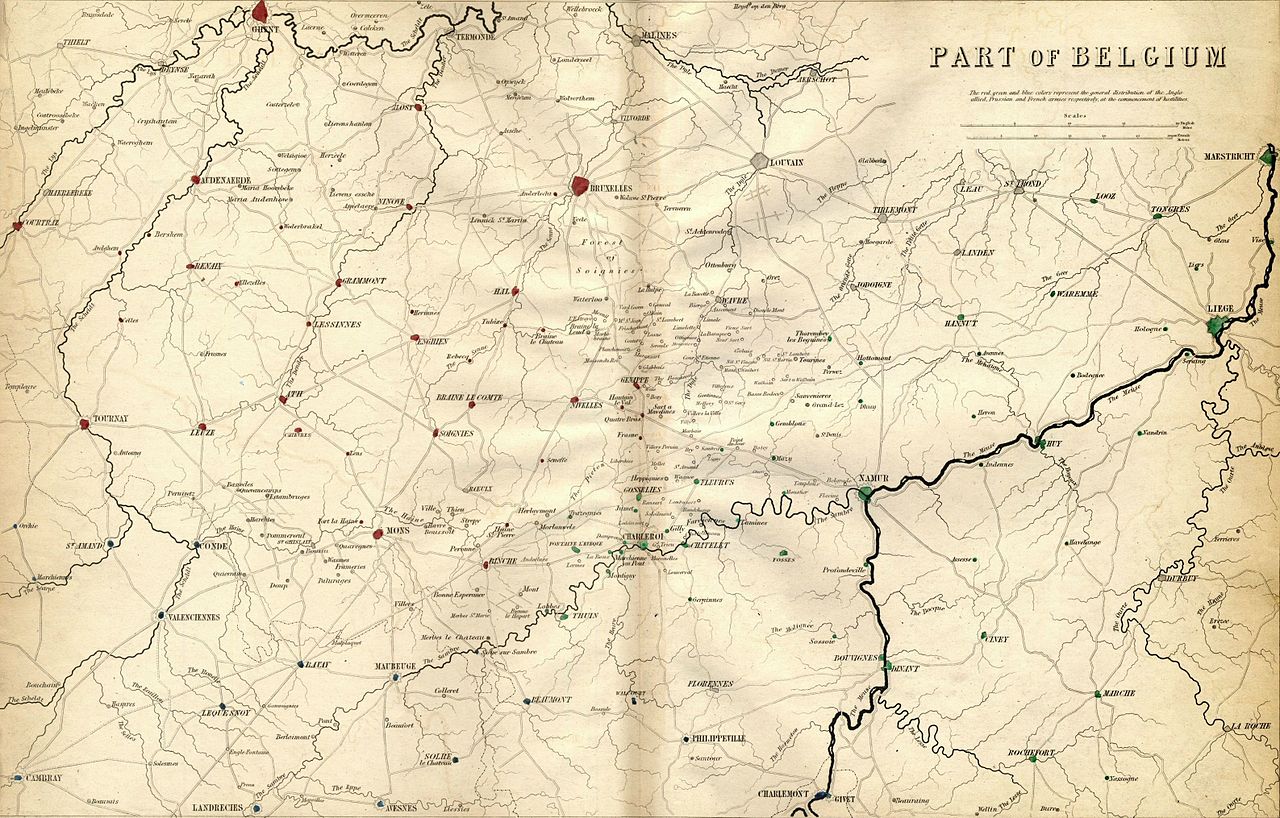
The core military events of the period are grouped under the Waterloo Campaign. Napoleon moved quickly to strike the allied armies in Belgium before they could combine. Key actions included the battles at Ligny and Quatre Bras and the decisive engagement at Waterloo on 18 June 1815, where the Duke of Wellington and Prussian Field Marshal Blücher defeated Napoleon's forces. In Italy and the south, the Neapolitan War saw King Joachim Murat of Naples oppose the Austrians, an episode that further complicated the strategic situation.
Aftermath and significance
Following the defeat at Waterloo Napoleon returned to Paris, abdicated for a second time on 22 June, and attempted to seek refuge before surrendering to British custody. The Bourbon monarchy was restored on 8 July with King Louis XVIII back on the throne. Napoleon was subsequently exiled to Saint Helena, where he remained until his death. The Hundred Days marked the final chapter of the Napoleonic Wars and led to a reassertion of conservative European order at the Congress of Vienna.
Key points and timeline
- 20 March 1815: Napoleon enters Paris after leaving Elba.
- Late May – 18 June 1815: Waterloo Campaign culminates in Napoleon's defeat.
- 22 June 1815: Napoleon abdicates a second time.
- 8 July 1815: Second restoration of King Louis XVIII.
Although brief, the Hundred Days had lasting diplomatic and military consequences: it provoked a final allied coalition, reshaped European boundaries and alliances, and closed the chapter on Napoleon's era of continental dominance.
Related articles
Author
AlegsaOnline.com Hundred Days (Napoleon's return and the War of the Seventh Coalition) Leandro Alegsa
URL: https://en.alegsaonline.com/art/45727