
Alpes-Maritimes: department in southeastern France
Alpes-Maritimes is a coastal and mountainous French department in Provence-Alpes-Côte d'Azur, known for Nice, the French Riviera, alpine parks, and a history stretching back to Roman times.
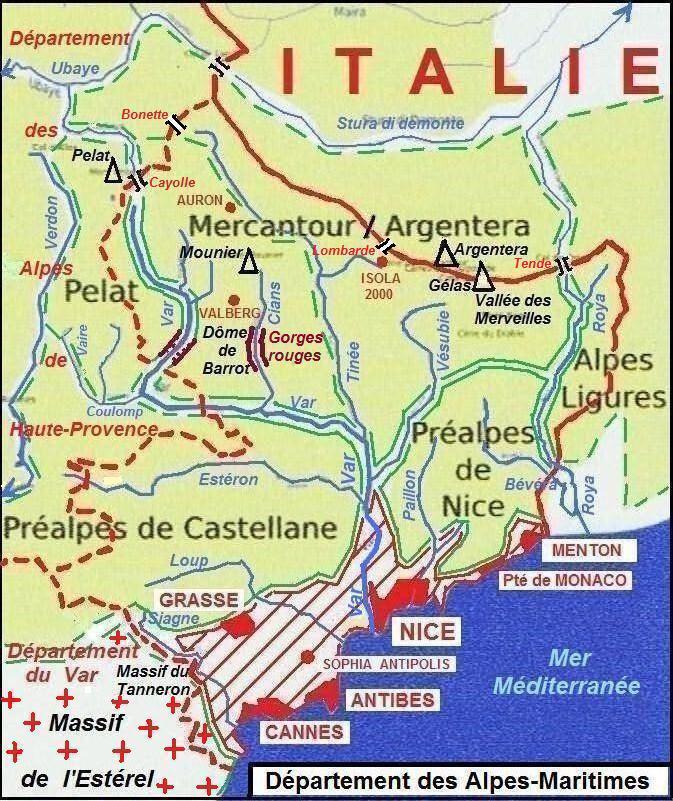
The Alpes-Maritimes is a French administrative department on the country's extreme southeast, where the Mediterranean shore meets the southern Alps. Its prefecture and largest city is Nice, and the coast includes internationally known resort towns as well as quieter harbors and fishing villages. The territory blends seaside promenades, vineyards in low hills and rugged alpine terrain with protected parks.
Image gallery
10 Images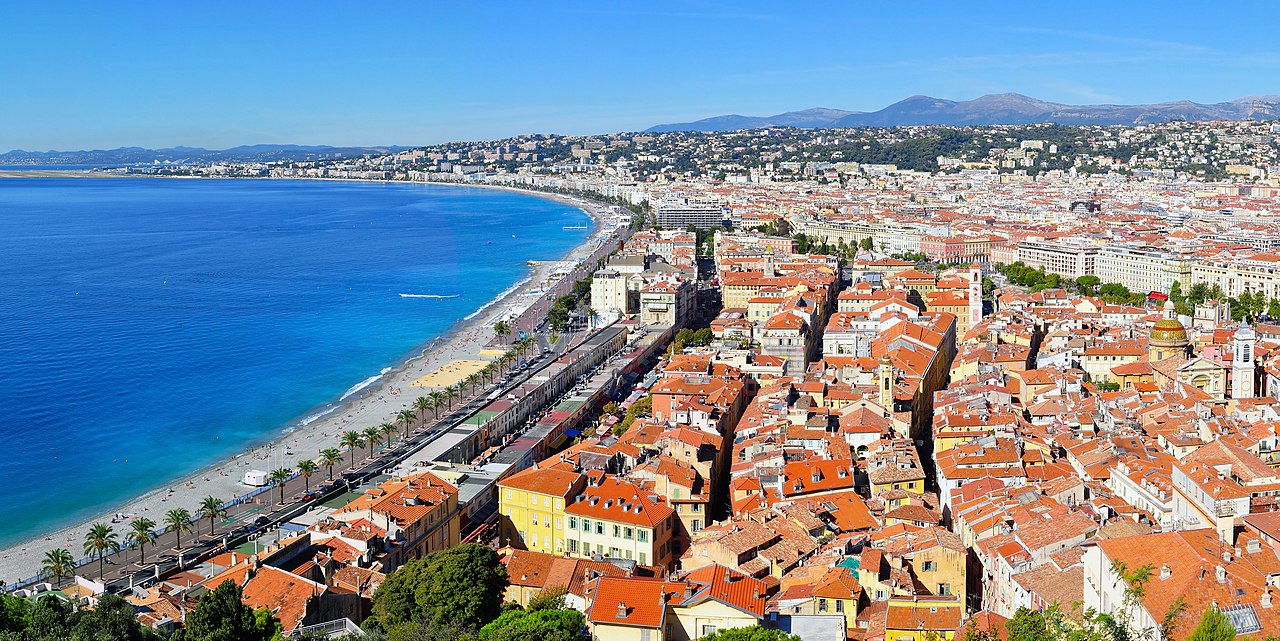


Names and administrative identity
In local languages the department is also known as Aups Maritims in Occitan and Alpi Marittime in Italian. It is one of the departments that make up the Provence-Alpes-Côte d'Azur area and is formally a department within the French region. The administrative structure combines coastal urban communities and mountain communes linked by a mix of road, rail and seasonal transport.
Geography and natural features
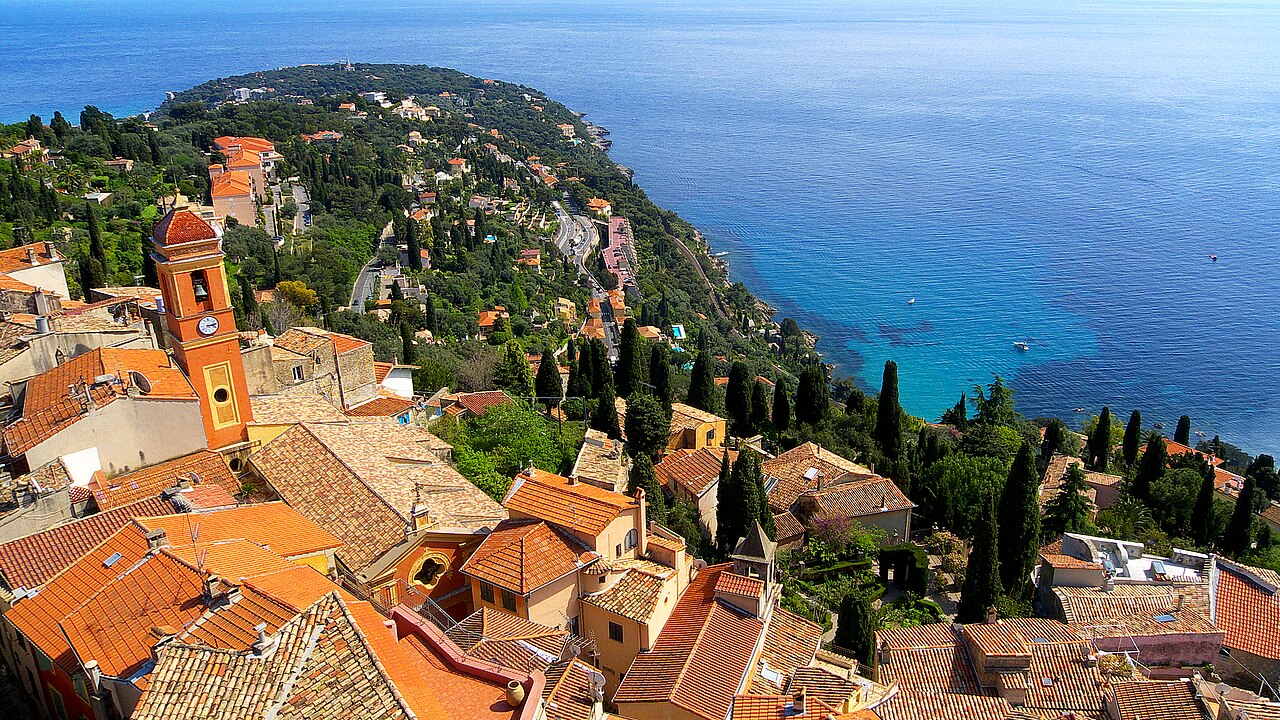
The coastal strip, commonly called the Côte d'Azur or French Riviera, faces the Mediterranean and is characterized by mild winters and warm summers. Inland the landscape rises quickly into the Maritime Alps, where elevations create distinct climates and habitats. The department contains parts of large protected areas that preserve alpine flora and fauna and offer hiking, skiing and mountain tourism opportunities.
History and origins
The name traces back to the Roman era: the area was organized under the designation Alpes Maritimae, a Roman military district established by Augustus around 14 BC. Over the centuries the coastal towns were affected by shifting medieval lordships, maritime commerce and proximity to Italian states. The county of Nice and other municipalities have a history of alternating influence between local rulers, the Kingdom of Sardinia and eventually incorporation into modern France in the 19th century.
Economy, culture and tourism
Tourism is a dominant economic force: seaside resorts, cultural festivals, conference tourism and international events draw visitors year-round. Cannes is famous for its film festival and luxury hospitality; Nice combines urban life with beaches and museums. The department also supports agriculture (olives, citrus and wine in some valleys), light industry, specialised services and a network of small mountain economies sustained by outdoor recreation.
Communities and points of interest
- Nice — administrative and cultural centre with museums, promenades and transport links.
- Cannes and Antibes — globally known for festivals, marinas and historic quarters.
- Menton — near the Italian border, noted for gardens and lemon festivals.
- Mercantour and other alpine areas — valleys, ski resorts and biodiversity.
Alpes-Maritimes is notable for its combination of Mediterranean and alpine environments on a compact territory, its rich cultural mix influenced by French and Italian traditions, and its role in international tourism and regional commerce. For readers seeking practical information, local guides and administrative services can be consulted via regional portals and municipal websites, which provide transport, accommodation and conservation details useful to visitors and residents alike.
Further reading and official resources: Occitan resources, Italian-language information, administrative overview at department pages and the regional site. Historical and archaeological context is available in studies of Roman provincial organization and texts about Augustus and early imperial administration such as the creation of the district in 14 BC. Local tourism and cultural listings can be found via municipal and festival sites (regional listings, military and maritime heritage).
Questions and answers
Q: What is Alpes-Maritimes?
A: Alpes-Maritimes is a department of the Provence-Alpes-Côte d'Azur region in the extreme southeast corner of France.
Q: What language does Occitan come from?
A: Occitan comes from a Romance language spoken mainly in southern France, Monaco, and Italy's Aosta Valley.
Q: What is the Italian name for Alpes Maritimae?
A: The Italian name for Alpes Maritimae is Alpi Marittime.
Q: When was the Roman military district created by Augustus?
A: The Roman military district was created by Augustus in 14 BC.
Q: What does 'Alpes Maritimae' mean?
A: 'Alpes Maritimae' means Maritime Alps.
Q: Where is the Provence-Alpes-Côte d'Azur region located?
A: The Provence-Alpes-Côte d'Azur region is located in the extreme southeast corner of France.
Q: How did Augustus create the Roman military district in this region? A:Augustus created the Roman military district in this region by decreeing it as such in 14 BC.
Tags
Related articles
Author
AlegsaOnline.com Alpes-Maritimes: department in southeastern France Leandro Alegsa
URL: https://en.alegsaonline.com/art/2949
Sources
- departement06.fr : "Président"
- insee.fr : "Département des Alpes-Maritimes (06) - Résumé statistique"
- insee.fr : "Populations légales 2014 des départements et des collectivités d'outre-mer"
- splaf.free.fr : "Historique des Alpes-Maritimes"
- peakbagger.com : "Cime du Gélas, France"
- weatherbase.com : "Nice, France - Köppen Climate Classification"
- insee.fr : "Département des Alpes-Maritimes (06)"
- insee.fr : "Régions, départements, arrondissements, cantons et communes"
- insee.fr : "Département des Alpes-Maritimes (06)"
- legifrance.gouv.fr : "Décret n° 2014-227 du 24 février 2014 portant délimitation des cantons dans le département des Alpes-Maritimes"
- habitants.fr : "Habitants du départment: Alpes-Maritimes (06)"