
Ice storm
An ice storm is a winter weather event in which freezing rain coats surfaces with glaze ice, creating hazardous travel conditions, tree and power damage, and widespread disruptions; preparedness reduces harm.
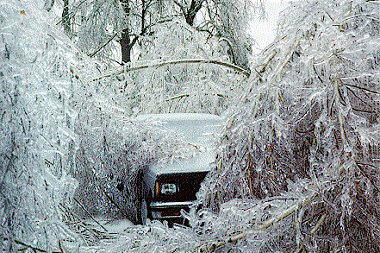
An ice storm is a winter meteorological phenomenon in which liquid precipitation freezes on contact with surfaces, producing a coating of clear, hard glaze. Most commonly described as a period of persistent freezing rain, an ice storm can affect roads, vegetation, buildings, and electrical systems. Unlike snow or sleet, the defining feature is the formation of smooth ice layers that adhere to objects.
Image gallery
9 Images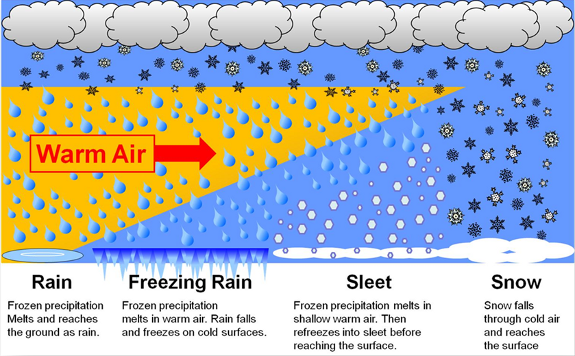




How ice storms form
Ice storms typically develop when a shallow layer of cold air lies near the ground while a warmer layer exists aloft. Precipitation falls as rain through the warm layer and then becomes supercooled as it passes through the cold near-surface air. When these droplets strike a surface at or below freezing, they freeze almost instantly and create a translucent ice glaze.
Effects and hazards
The glaze from an ice storm can produce a range of hazards that make them notable among winter events:
- Transportation: Roads and sidewalks become extremely slippery, increasing collisions and travel disruptions.
- Infrastructure: Added weight on tree limbs and power lines often causes breakers, downed lines, and outages.
- Structures and utilities: Roofs, antennas, and weak branches may fail under the load of ice.
- Secondary impacts: Extended outages can affect heating, communications, and emergency services.
Forecasting, response and preparedness
Meteorological services use temperature profiles, radar, and sounding data to identify freezing rain risk. Effective response emphasizes timely warnings, targeted road treatment, and prioritized restoration of critical services. Individuals and communities reduce risk by maintaining emergency kits, trimming vulnerable trees near power lines, and avoiding travel during active icing.
Notable distinctions and context
Ice storms are distinct from sleet (which consists of frozen pellets) and from blizzards (characterized by blowing snow and low visibility). Historically, major ice storms have highlighted vulnerabilities in energy grids and transportation networks, prompting improvements in forecasting, infrastructure hardening, and public guidance. While meteorologists can often predict the conditions that favor icing, precise amounts of glaze and local impacts remain harder to forecast, so caution is advised when freezing rain is expected.
Related articles
Author
AlegsaOnline.com Ice storm Leandro Alegsa
URL: https://en.alegsaonline.com/art/46439