
Ground zero: definition, history, and significance
Ground zero denotes the precise point on the surface directly affected by an explosion or catastrophic event; used in technical, historical, forensic and memorial contexts.
Ground zero is the term used to describe the exact point on or near the Earth's surface where an explosion or catastrophic event has its greatest immediate effect. At that location the destructive forces—blast pressure, heat, shock waves and debris—are typically most intense. Damage and casualties generally decrease with distance from this point, producing a concentric pattern of effects that responders and investigators map carefully.
Image gallery
5 Images



Characteristics and scientific use
In physical and engineering contexts, ground zero denotes the surface site directly beneath an airborne detonation or the impact point of a surface explosion. For nuclear incidents it is associated with intense thermal and radiological consequences in addition to mechanical blast. Emergency planners and forensic teams use the concept to organize scene preservation, search and rescue, and later reconstruction of an event’s origin. For everyday explosions the term helps describe where instruments or observers should focus measurements of overpressure, fragmentation patterns and burn radii.
History and notable examples
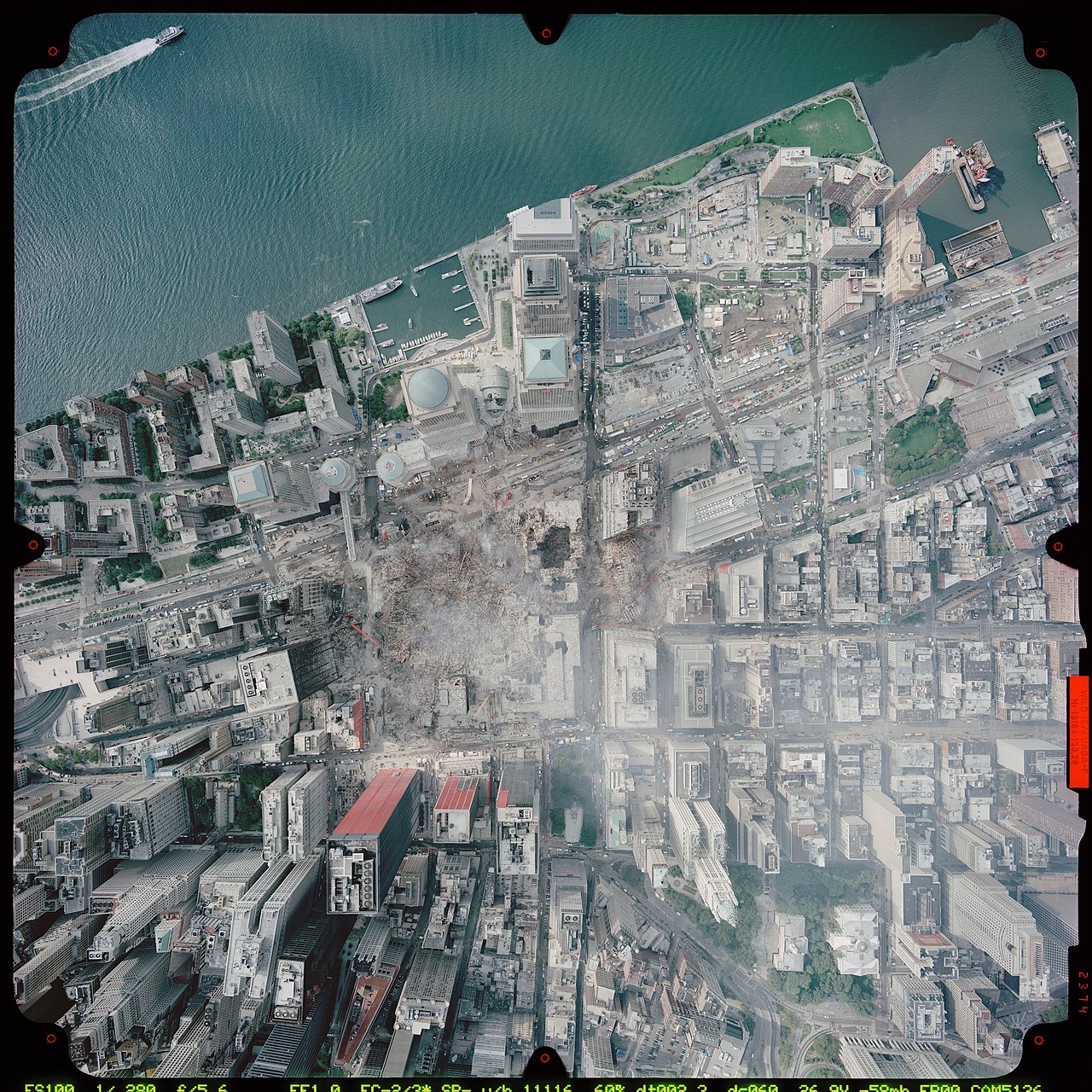
The phrase entered wide public awareness in the mid‑20th century with nuclear weapons development and testing, and with the first atomic detonations and their aftermath. It was later applied in media and public discourse to particularly visible sites of destruction, including the atomic bombing of Hiroshima and the collapse site of the World Trade Center following the September 11 attacks. Such locations sometimes receive formal marking or become memorials to acknowledge the lives lost and to document the event for future generations.
Uses, memorials and investigations
Beyond technical usage, ground zero functions as a focal point in disaster response, archaeological recovery and historical commemoration. Investigators map debris fields outward from ground zero to determine yield, directionality and sequence of impacts. Survivors’ accounts, structural evidence and scientific sampling at or near ground zero inform legal inquiries, safety improvements and public records. In several prominent cases the surface point has been preserved or marked as a site of remembrance.
Distinctions and broader meanings
Ground zero is sometimes confused with terms from seismology such as "epicenter" (the surface point above an earthquake's focus). While both denote a location of primary effect, ground zero is specifically tied to explosions or impacts. The phrase has also entered metaphorical language to describe the starting point for rebuilding or the center of a crisis.
- Technical: precise surface point for measurements.
- Forensic: origin used to reconstruct events.
- Cultural: place of memory and public marking.
Related articles
Author
AlegsaOnline.com Ground zero: definition, history, and significance Leandro Alegsa
URL: https://en.alegsaonline.com/art/41037