
Hyperthyroidism: overview, causes, symptoms, diagnosis, and treatment
Hyperthyroidism is a disorder of excess thyroid hormone production. This article explains causes, symptoms, tests, treatments, complications, and special considerations in plain, medically grounded terms.
Overview
Hyperthyroidism is a medical condition in which the thyroid produces more hormones than the body needs. The thyroid is a small, butterfly-shaped thyroid gland in the neck that releases hormones that regulate metabolism. Key hormones include thyroxine (T4) and triiodothyronine (T3), collectively described as thyroid hormones. Production is normally controlled by thyroid-stimulating hormone (TSH), which comes from the pituitary gland. In hyperthyroidism, TSH is typically suppressed and circulating T4/T3 levels are elevated.
Image gallery
6 Images



Causes and mechanisms
The most common causes involve excess stimulation or autonomous thyroid tissue. Typical causes include:
- Graves’ disease — an autoimmune disorder in which immune system factors stimulate the gland.
- Toxic multinodular goiter and toxic adenoma — nodules that produce thyroid hormone independently.
- Thyroiditis — inflammation that releases stored hormone transiently.
- Excessive intake of thyroid hormone or certain medications.
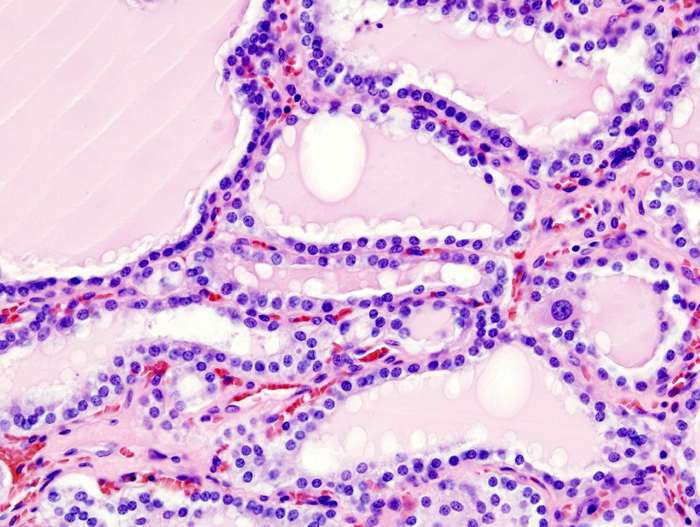
In autoimmune causes the body makes antibodies that mimic TSH or otherwise alter thyroid regulation, causing enlargement (a goiter) and hormone overproduction.
Symptoms and signs
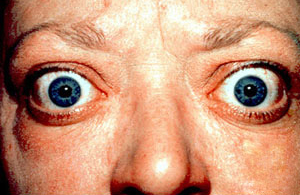
Symptoms reflect an increased metabolic rate and heightened sympathetic activity. Common complaints are unintentional weight loss despite normal or increased appetite, heat intolerance, sweating, palpitations, tremor, fatigue, and sleep disturbance. Patients often note nervousness or episodes of anxiety and irritability. On examination there may be a diffusely enlarged or nodular thyroid, a fine hand tremor, a rapid pulse, and in Graves’ disease specific eye signs such as lid retraction or bulging eyes.
Diagnosis
Evaluation begins with blood tests: a low TSH with elevated free T4 and/or T3 confirms the biochemical diagnosis. Additional tests can include measurement of thyroid antibodies, thyroid ultrasound, and a radioactive iodine uptake scan to distinguish causes (for example, high uptake in Graves’ disease versus low uptake in thyroiditis). Careful assessment of heart rhythm and bone health is important because hyperthyroidism can affect the heart and skeleton.
Treatment and management
Management is tailored to cause, severity, age, pregnancy status, and patient preference. Options include:
- Antithyroid medication (such as methimazole or propylthiouracil) to reduce hormone synthesis.
- Radioactive iodine therapy to ablate overactive thyroid tissue.
- Thyroid surgery (partial or total thyroidectomy) in selected cases.
- Supportive measures such as beta-blockers to control heart rate and tremor, and short-term anti-inflammatory treatment for thyroiditis.
Treatment goals are symptom control, restoration of normal thyroid function, and prevention of complications. Some approaches may lead to hypothyroidism, which is then managed with replacement therapy.
Complications and special considerations
Untreated or severe hyperthyroidism can increase the risk of atrial fibrillation, osteoporosis, and in rare cases a life-threatening thyroid storm with very high fever, delirium, and cardiovascular collapse. Management during pregnancy requires specialist input because both disease and some therapies affect the fetus. Long-term follow-up monitors thyroid function, cardiovascular health, and bone density.
For further reading on gland anatomy and related topics see: thyroid gland anatomy, thyroid hormones, TSH regulation, and clinical resources on Graves’ disease and therapeutic options. Practical guidance is available from endocrine specialty sources and patient information pages maintained by health organizations. Additional links: condition overview, antibodies, immune system, goiter, weight loss, anxiety, metabolism, pituitary gland, medication options.
Related articles
Author
AlegsaOnline.com Hyperthyroidism: overview, causes, symptoms, diagnosis, and treatment Leandro Alegsa
URL: https://en.alegsaonline.com/art/46183