
Graves' disease — autoimmune hyperthyroidism
An autoimmune disorder in which antibodies stimulate the thyroid to overproduce hormones, causing hyperthyroidism with characteristic eye and skin findings; managed medically, with radioiodine, or surgery.
Overview
Graves' disease is an autoimmune condition of the thyroid gland in which the immune system produces antibodies that activate the gland. This causes an excess of circulating thyroid hormones, a clinical state commonly called hyperthyroidism. The disorder most often affects adults and is more frequent in women than men.
Image gallery
6 Images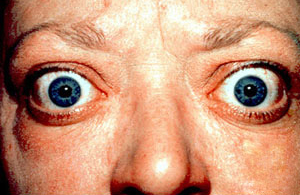



Causes and mechanism
The principal pathogenic factor is antibodies to the thyroid-stimulating hormone (TSH) receptor; these antibodies mimic TSH and drive sustained hormone production and gland growth. Genetic predisposition, environmental triggers, and immune regulation abnormalities all contribute to disease onset. Pregnancy and stress can influence activity.
Signs and diagnosis
Symptoms reflect an accelerated metabolism and may include weight loss, palpitations, heat intolerance, tremor, anxiety, and increased bowel movements. The neck may be enlarged (goiter). Distinctive features can include Graves' ophthalmopathy (eye irritation, protrusion, double vision) and, less commonly, pretibial dermopathy.
- Typical tests: low TSH with elevated free thyroid hormones and positive TSH-receptor antibodies.
- Imaging and eye assessment are used when orbitopathy is suspected.
Treatment and prognosis
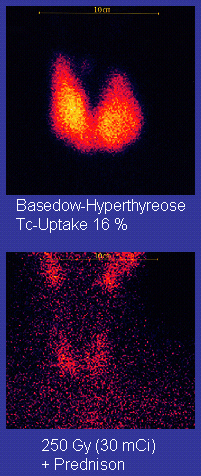
Management goals are to control excess hormone effects and to address the underlying overactivity. Options include antithyroid medications (for example methimazole or propylthiouracil), radioactive iodine ablation, and thyroid surgery. Beta-blockers often provide symptomatic relief. Severe eye disease may require corticosteroids, orbital decompression, or other targeted therapies. With appropriate treatment most people achieve stable control, though long-term follow-up is typical.
History, epidemiology, and notable distinctions
Graves' disease has been recognized for over a century and is a leading cause of hyperthyroidism in many regions. It differs from other causes of thyrotoxicosis such as toxic multinodular goiter or thyroiditis by the presence of stimulating antibodies and characteristic eye involvement. Rarely, untreated severe cases can precipitate an acute life-threatening thyroid storm.
Importance and practical considerations
Early recognition is important because treatment reduces symptoms, prevents complications, and improves quality of life. Special considerations apply in pregnancy, when treatment choices weigh maternal and fetal risks. Multidisciplinary care—endocrinology, ophthalmology, and sometimes surgery—optimizes outcomes.
Related articles
Author
AlegsaOnline.com Graves' disease — autoimmune hyperthyroidism Leandro Alegsa
URL: https://en.alegsaonline.com/art/40389
Sources
- emedicine.medscape.com : "Graves Disease"