
Iridescence: structural color and angle-dependent coloration
Iridescence is colour that shifts with viewing or illumination angle because microscopic structures alter light. It appears in nature and technology, produced by interference, diffraction or scattering.
Overview
Iridescence describes a visual effect in which the perceived colour of a surface shifts with the angle of illumination or observation. Unlike pigment-based colour, iridescent colour arises from micro- or nano-scale structures that manipulate light rather than from chemical dyes.
Image gallery
10 Images




Causes and characteristics
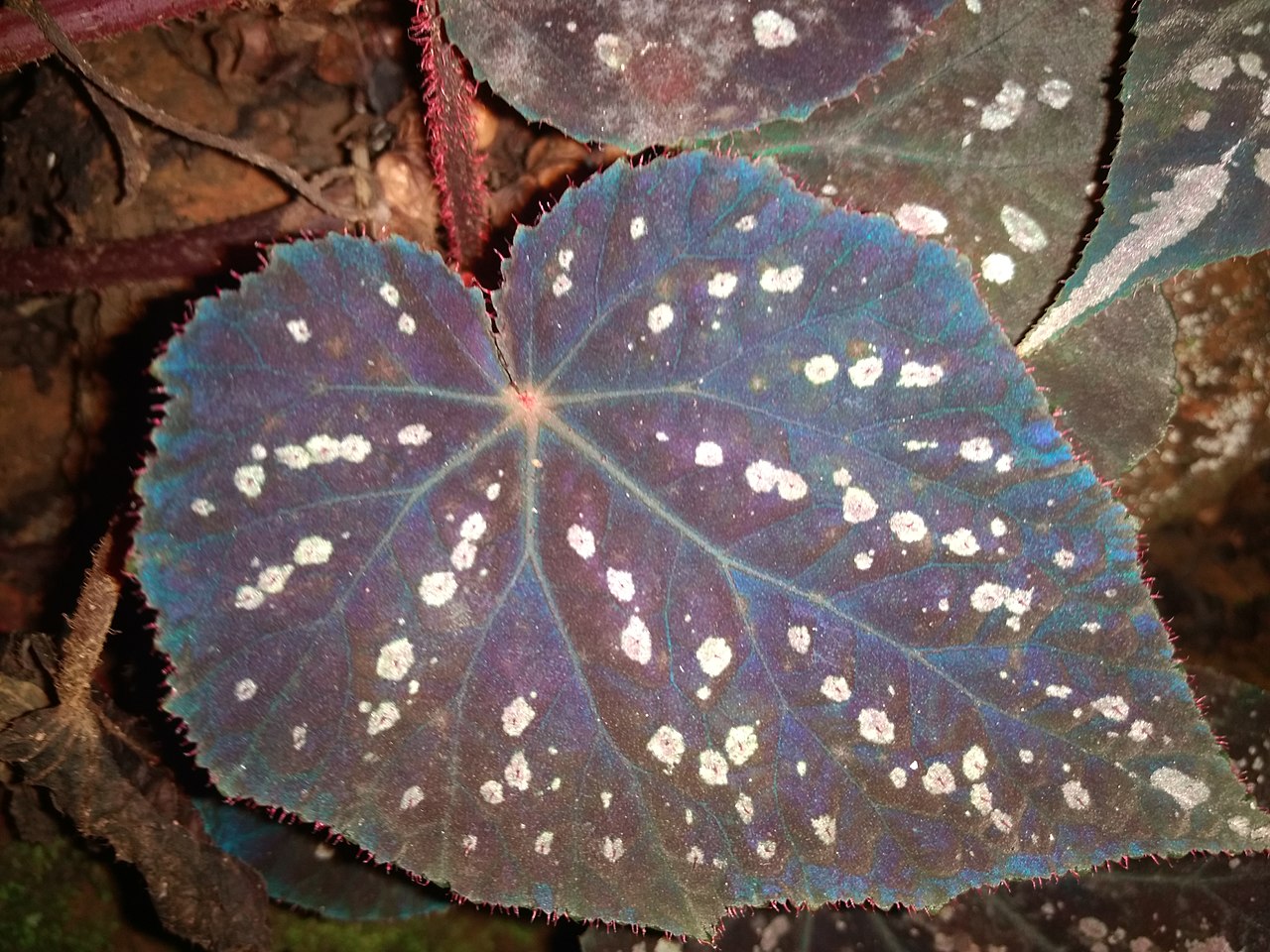
The underlying phenomena include interference, diffraction and selective scattering. Thin-film stacks, multilayer reflectors, gratings and photonic crystals are common structural arrangements that produce angle-dependent colours. These mechanisms create "structural colour" that can be brighter and more saturated than pigments and often change both hue and intensity as viewing geometry changes.
Natural examples
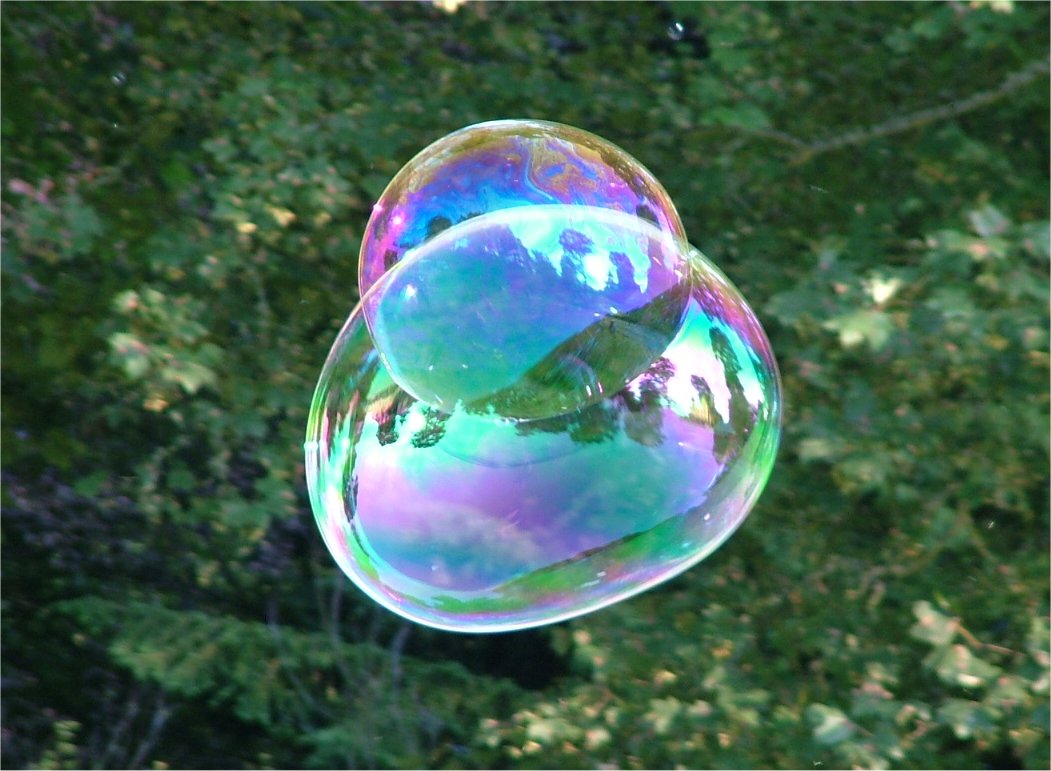
Many organisms display iridescence. Well-known examples include soap bubbles, butterfly wings, peacock feathers, some beetle elytra, nacreous shells and certain minerals. In living organisms, tiny multilayered scales, ridged surfaces or ordered nanostructures produce vivid, shifting hues that may serve in signalling, mate choice or camouflage.
Uses and importance
Humans exploit iridescent effects for decorative and functional purposes. Applications include pigments and coatings that mimic structural colour, security features on banknotes and documents, cosmetics, textiles and optical devices. Engineers and materials scientists study biological examples to design sensors, anti-counterfeiting measures and efficient reflectors.
History and scientific study
Descriptions of angle-dependent colours date back centuries, but modern explanations rely on wave optics and the study of micro- and nano-scale structures. Research combines microscopy, spectroscopy and modelling to link observed colours to specific geometries; work continues to control and reproduce iridescence in manufactured materials.
Notable distinctions
- Angle dependence: hues and brightness vary with viewing and illumination geometry.
- Structural vs pigment colour: structural colours arise from physical arrangements that affect light, whereas pigments absorb and reflect particular wavelengths chemically.
- Practical note: surface roughness, layer thickness and observer position all influence how pronounced iridescence appears.
Related articles
Author
AlegsaOnline.com Iridescence: structural color and angle-dependent coloration Leandro Alegsa
URL: https://en.alegsaonline.com/art/48148