
Retired Pacific hurricane names
Overview and list of tropical cyclone names retired in the Pacific basin, why names are retired, notable cases, and how the retirement process works.
Overview
In the Pacific basin, certain tropical cyclone names are withdrawn from future use when a storm bearing that name has been unusually destructive, deadly, or culturally sensitive. Retirement is intended to avoid confusion and to show respect for victims; it is not automatic and occurs only after review by regional meteorological authorities. Retirement decisions cover both the eastern Pacific (off the coast of Mexico and Central America) and the central Pacific (around Hawaii and nearby islands), though the committees, procedures and naming lists involved differ slightly.
Image gallery
5 Images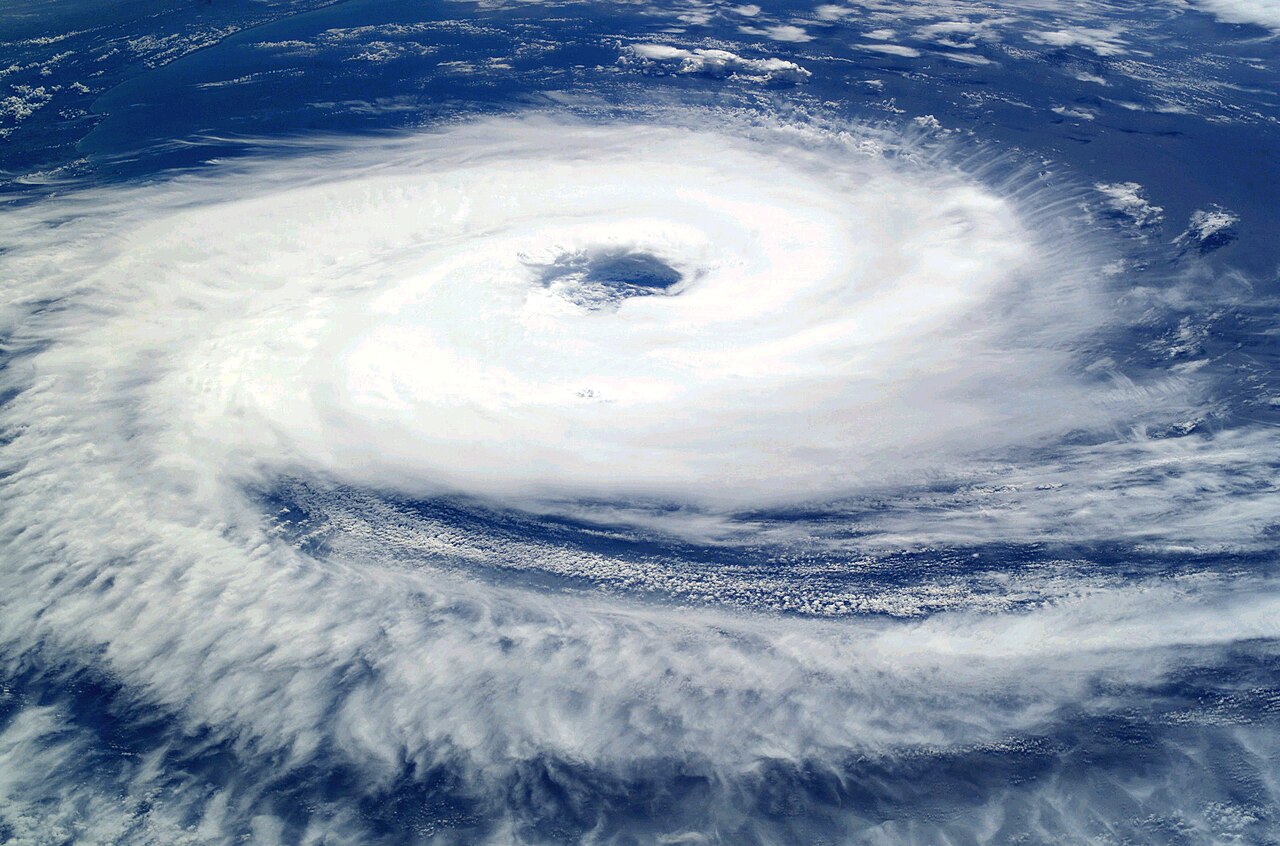


Criteria and process
Names are retired when governments, emergency managers, or the meteorological organizations involved request it following a significant event. For the eastern Pacific, the National Hurricane Center coordinates with the World Meteorological Organization (WMO) Regional Association IV panels; for storms near Hawaii, the Central Pacific Hurricane Center participates. A retired name is replaced on the rotating lists and is not reused in subsequent cycles.
List of retired Pacific hurricane names by decade
- 1960s: Hazel — source
- 1970s: 1970s list — Fico
- 1980s: 1980s list — Iwa
- 1990s: Fefa, Iniki, Ismael, Pauline, Paka
- 2000s: Adolph, Kenna, Ioke, Alma
- 2010s: 2010s list — Manuel, Odile, Patricia
Each of the listed names was retired for reasons such as extensive property damage, significant loss of life, or strong impacts on communities and infrastructure. Some retirements came after formal requests from affected countries or territories. Not every damaging storm results in retirement; the decision weighs the storm's overall societal impact and the preferences of regional members.
Notable examples and distinctions
Several retired Pacific names are widely remembered. For example, storms that struck Hawaii or nearby islands sometimes lead to retirement because of concentrated local effects, while eastern Pacific storms that caused severe coastal damage or fatalities in Mexico and Central America have also been retired. The central Pacific uses its own name lists and can retire names independently of the eastern basin. Historical retirements go back several decades and reflect evolving record-keeping and international coordination.
Retirement helps with public communication and historical clarity: a retired name is never reused, preventing confusion when discussing past disasters and aiding in long-term study, relief, and commemoration. For further reading on specific storms and the formal retirement procedure, consult regional archives and official summaries from meteorological agencies: background, regional lists, or the individual storm pages referenced above.
Questions and answers
Q: What is a retired Pacific hurricane name?
A: A retired Pacific hurricane name is a hurricane that has caused significant damage or loss of life, or has been requested to be retired by a government or country.
Q: How many Pacific hurricanes have been retired in the 1960s?
A: One Pacific hurricane was retired in the 1960s - Hazel.
Q: What were the names of the hurricanes retired in the 1970s?
A: The name of the hurricane retired in the 1970s was Fico.
Q: What were some of the names of hurricanes retired in the 1990s?
A: Some of the names of hurricanes retired in the 1990s were Fefa, Iniki, Ismael, Pauline and Paka.
Q: How many Pacific hurricanes have been retired since 2000?
A: Four Pacific hurricanes have been retired since 2000 - Adolph, Kenna, Ioke and Alma.
Q: Which decade had more than one hurricane name retirement?
A: The 1990s had more than one hurricane name retirement with five different names being retired.
Q: What was the most recently-retired Pacific Hurricane Name?
A Patricia wasthe most recently-retired Pacific Hurricane Name, which occurred during 2010's decade.
Related articles
Author
AlegsaOnline.com Retired Pacific hurricane names Leandro Alegsa
URL: https://en.alegsaonline.com/art/124957