
Hurricane Harvey (2017): Category 4 landfalls, record rainfall, and recovery
Hurricane Harvey was a 2017 Category 4 Atlantic hurricane that stalled over Texas, producing unprecedented rainfall and catastrophic flooding around Houston and the Gulf Coast, causing extensive damage and long-term impacts.
Overview
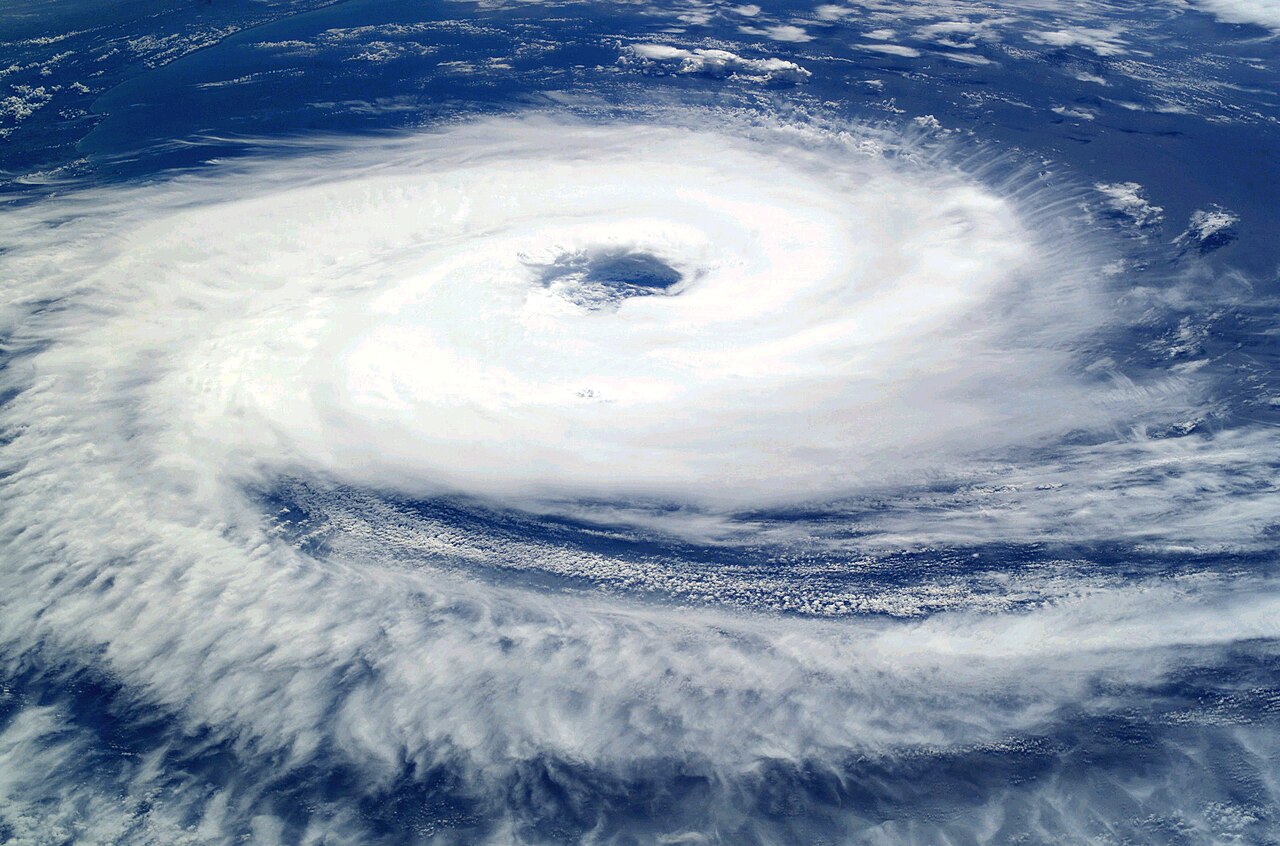
Hurricane Harvey was a powerful and destructive tropical cyclone of the 2017 Atlantic hurricane season. It formed in mid‑August and, after a period of weakening, redeveloped and rapidly intensified before making landfall on the Texas coast on August 25, 2017. Harvey made landfall as a Category 4 hurricane and then stalled over parts of southeastern Texas, producing prolonged, extreme rainfall that caused catastrophic inland flooding, particularly across the Houston metropolitan area and surrounding counties. The storm is widely remembered for its rapid intensification, very slow motion after landfall, and the large scale of the freshwater flooding.
Image gallery
10 Images





Meteorological history
Harvey originated from a tropical wave and showed early development in the Caribbean basin before briefly degenerating. The system later re‑organized in the Bay of Campeche and the western Gulf of Mexico, where environmental conditions favored strengthening. Rapid intensification occurred prior to landfall; the hurricane reached Category 4 strength with sustained winds in excess of 130 mph before making its primary landfall near Rockport and the middle Texas coast on August 25. After moving ashore, Harvey slowed dramatically and meandered, allowing extreme amounts of rain to fall over the same areas for several days.
- Season overview and context — Harvey was one of several notable storms in the hyperactive 2017 Atlantic season.
- Caribbean transit — the precursor disturbance passed near parts of the Lesser Antilles and the Caribbean before weakening briefly.
- Mexican and Gulf interactions — interactions with land and upper‑level winds influenced redevelopment in the western Caribbean and Gulf.
- Texas warnings and advisories issued as the storm approached the Gulf Coast and prepared coastal communities for high winds and surge.
Rainfall, flooding, and affected areas
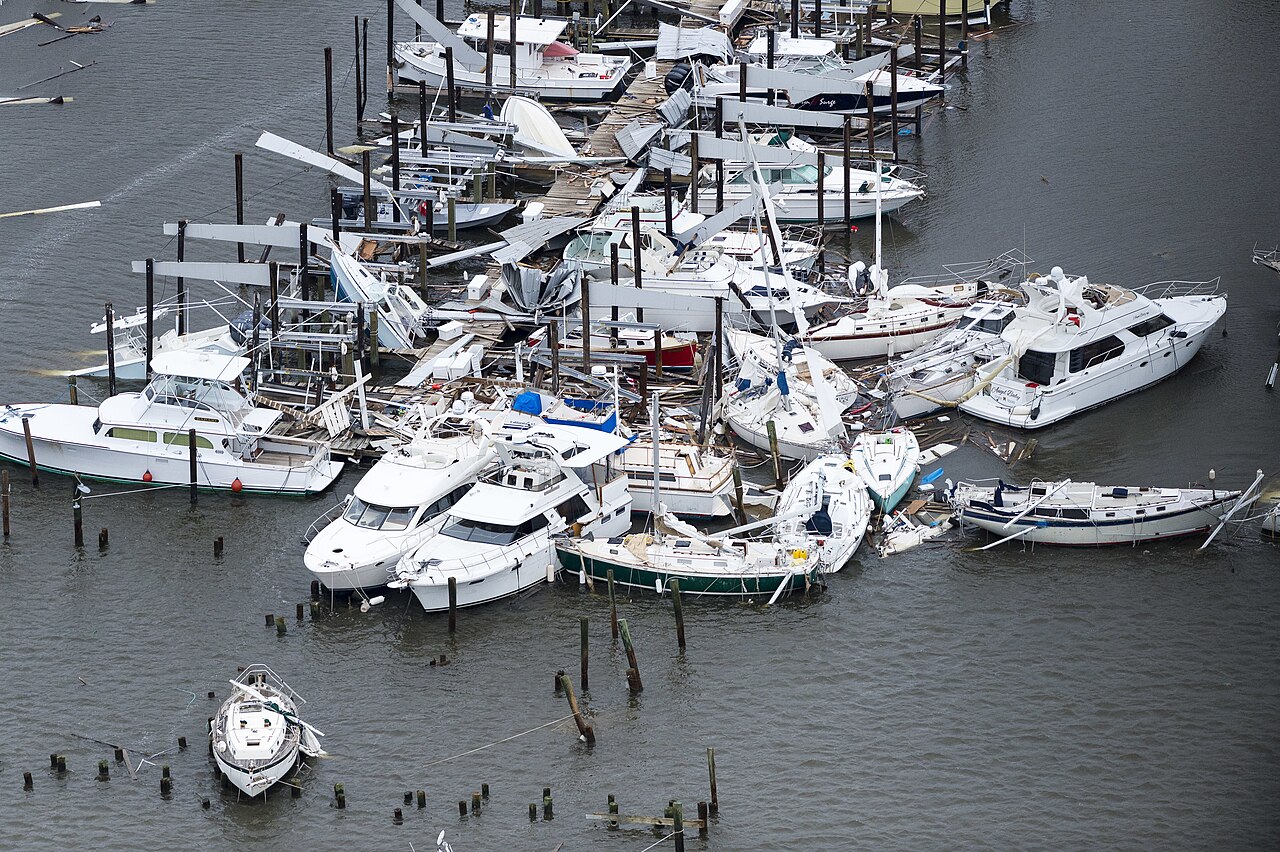
Harvey produced exceptionally heavy rainfall. Parts of southeastern Texas received more than 60 inches of rain in a single event, making Harvey the wettest tropical cyclone on record in the United States. The extreme rainfall led to widespread freshwater flooding, inundating neighborhoods, roads, and critical infrastructure. Coastal storm surge, though locally significant, was overshadowed in overall damage by the inland flooding that persisted for days. Major urban centers affected included the Houston metropolitan region, while other counties to the northeast and along the coast experienced severe inundation.
Human and economic impacts
The human toll and economic losses were severe. More than one hundred people lost their lives in Texas as a direct or indirect result of the storm. Damage estimates placed the cost of Harvey at roughly $125 billion, tying it with other historic U.S. storms as one of the costliest Atlantic tropical cyclones on record. Homes and businesses suffered both flood and wind damage, with long recovery times for many households. Key sectors affected included energy and petrochemicals, transportation, and insurance markets.
- Flooding and displacement: catastrophic inland flooding led to large‑scale evacuations and temporary sheltering of displaced residents; local reports and county briefings provided situational updates (local reports, county briefings).
- Infrastructure damage: roads, bridges, water systems, and electrical networks were damaged, complicating rescue and recovery efforts; technical reviews are available in post‑event analyses (engineering summaries).
- Economic consequences: direct and indirect costs affected households and industries; comparative studies place Harvey among the costliest storms in national records (comparative studies).
Response, recovery, and reviews
Emergency response involved local first responders, state agencies, and federal partners, supported by volunteer organizations and private citizens. Recovery included debris removal, home repairs, flood mitigation measures, and longer‑term planning to reduce future vulnerability. Official post‑storm assessments and policy reviews examined floodplain management, urban drainage, building codes, and insurance frameworks to inform future preparedness and resilience efforts (official assessments, post‑storm reports).
Records, retirement, and legacy
Harvey set records for rainfall totals from a tropical cyclone in the United States and renewed public attention on the risks posed by prolonged, extreme precipitation events in urbanized coastal regions. The storm prompted scientific and policy discussions about land use, infrastructure resilience, and how climate variability may influence heavy rainfall associated with tropical cyclones. In April 2018 the World Meteorological Organization retired the name "Harvey" from the Atlantic naming lists because of the storm's severity and impacts; the retirement notice and replacement name were announced through international channels and preparedness guidance (WMO and preparedness guidance).
Harvey's legacy continues to shape how communities assess flood risk, plan urban development, and prepare emergency response systems to cope with intense rainfall and prolonged flooding episodes.
Questions and answers
Q: What was the name of the 2017 tropical cyclone?
A: The 2017 tropical cyclone was named Hurricane Harvey.
Q: How many storms, hurricanes, and major hurricanes were there in the hyperactive 2017 Atlantic hurricane season?
A: There were 8 named storms, 3 hurricanes, and 1 major hurricane in the hyperactive 2017 Atlantic hurricane season.
Q: Where did Hurricane Harvey go through?
A: Hurricane Harvey went through the Caribbean and Mexico.
Q: When did Hurricane Harvey make landfall in Texas?
A: Hurricane Harvey made landfall in Texas as a Category 4 hurricane on August 25.
Q: What was the costliest tropical cyclone on record in both the Atlantic and United States history?
A: Both Hurricane Katrina in 2005 and Hurricane Harvey are tied as the costliest tropical cyclones on record in both the Atlantic and United States history with damage set around $125 billion.
Q: How much rainfall did Hurricane Harvey cause?
A: Hurricane Harvey caused over 60 inches of rainfall accumulations which is now considered to be the wettest tropical cyclone on record in United States history, particularly in Texas.
Q: How many people died due to this storm?
A: Over 100 people died due to this storm primarily located within Texas alone.
Related articles
Author
AlegsaOnline.com Hurricane Harvey (2017): Category 4 landfalls, record rainfall, and recovery Leandro Alegsa
URL: https://en.alegsaonline.com/art/45900
Sources
- nhc.noaa.gov : Costliest U.S. tropical cyclones tables update · webcitation.org