
1963: Year of Political Upheaval, Cultural Change and Space Milestones
A concise overview of 1963: major political events, civil rights milestones, space achievements, cultural developments, and notable births and deaths that shaped the decade.
1963 was a common year that began on Tuesday in the Gregorian calendar. It is conventionally numbered 1963 in the Common Era and Anno Domini systems and is situated in the early 1960s, the 63rd year of the 20th century and the 963rd year of the 2nd millennium. For calendar context and chronology see calendar information and weekday listings. General notes on the Gregorian system and era designations are available at Gregorian chronology, Common Era overview and Anno Domini notes.
Image gallery
10 Images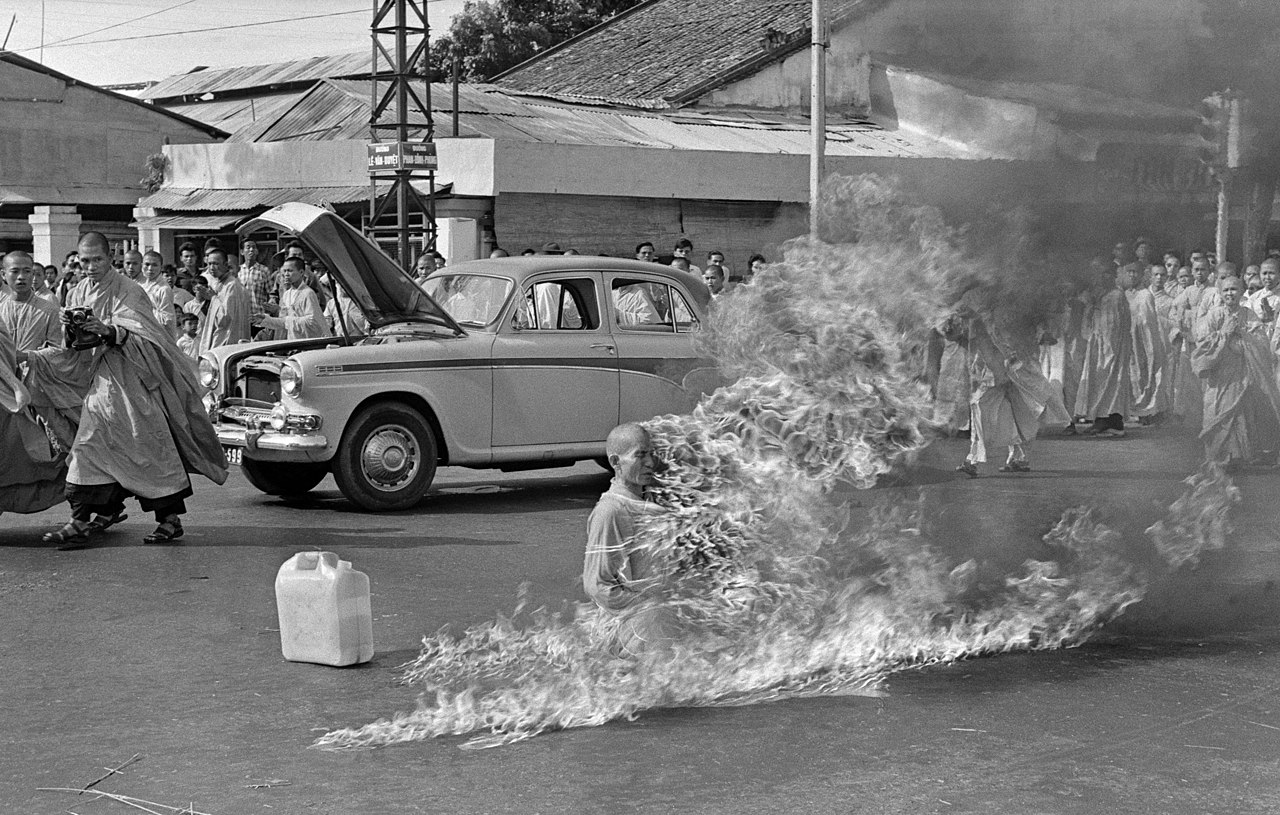



Overview and international politics
The year saw continued Cold War rivalry, diplomatic efforts on arms control and sharp regional crises. A major diplomatic milestone came when leading powers moved toward agreements limiting atmospheric nuclear tests, a step that affected later arms-control frameworks. In Southeast Asia, political turmoil in South Vietnam heightened international concern and contributed to a shift in global attention to the region. The year also witnessed changes in national leadership and intensified debates on decolonization, governance and civil liberties across several regions; these developments are often considered in a broader millennial and century context (millennial context, century overview).
Major events and social movements
- Civil rights in the United States: Nonviolent protests and organized demonstrations, including a large national rally in the capital, focused public attention on racial inequality and helped push legislative and social change.
- High-profile assassinations and shocks: The assassination of President John F. Kennedy in November was one of the most consequential events of the year and had worldwide political and cultural effects. Several other prominent cultural figures also died around the same time, an often-cited historical coincidence.
- Political unrest abroad: Anti-government demonstrations and military coups in various countries underscored the instability of the period and the global stakes of Cold War alignments.
Science, exploration and technology
Space exploration continued to advance. A milestone in human spaceflight was the first flight by a woman into orbit, which broadened public and scientific expectations for crewed missions and participation. Communications and meteorological satellites contributed to improvements in global broadcasting and weather observation, and scientific research in medicine and engineering made steady progress during the year.
Culture, media and society
Popular culture reflected rapid change. In music, performers from the United Kingdom rose to prominence and began to influence international tastes; in television, new series debuted that would become long-lived cultural fixtures. Film and literature both engaged with contemporary political events, and the visual arts responded to social movements and technological optimism. For broader cultural context see 1960s cultural trends.
Notable births and deaths
- Births: The year saw the birth of future leading figures in sport and entertainment, including athletes whose careers would shape late 20th-century popular culture.
- Deaths: The year included the deaths of major public figures, most prominently the assassination of a serving head of state; writers and thinkers also passed away, some coincidentally on the same date as other famous deaths, a fact often remarked upon by historians.
1963 is remembered as a hinge year: high public hopes about science and exploration existed alongside intense political conflict and social struggle. Its events influenced subsequent debate on civil rights, international security and media, and they continue to be widely studied as part of the 1960s era. For further chronological or thematic reading see calendar information, weekday lists and broader chronologies at chronologies.
Related articles
Author
AlegsaOnline.com 1963: Year of Political Upheaval, Cultural Change and Space Milestones Leandro Alegsa
URL: https://en.alegsaonline.com/art/112068