
Hurricane Florence (2006)
A Cape Verde–type hurricane in September 2006 that became the first storm since Fabian to produce hurricane-force winds on Bermuda; later transitioned to an extratropical cyclone affecting Newfoundland.
Overview
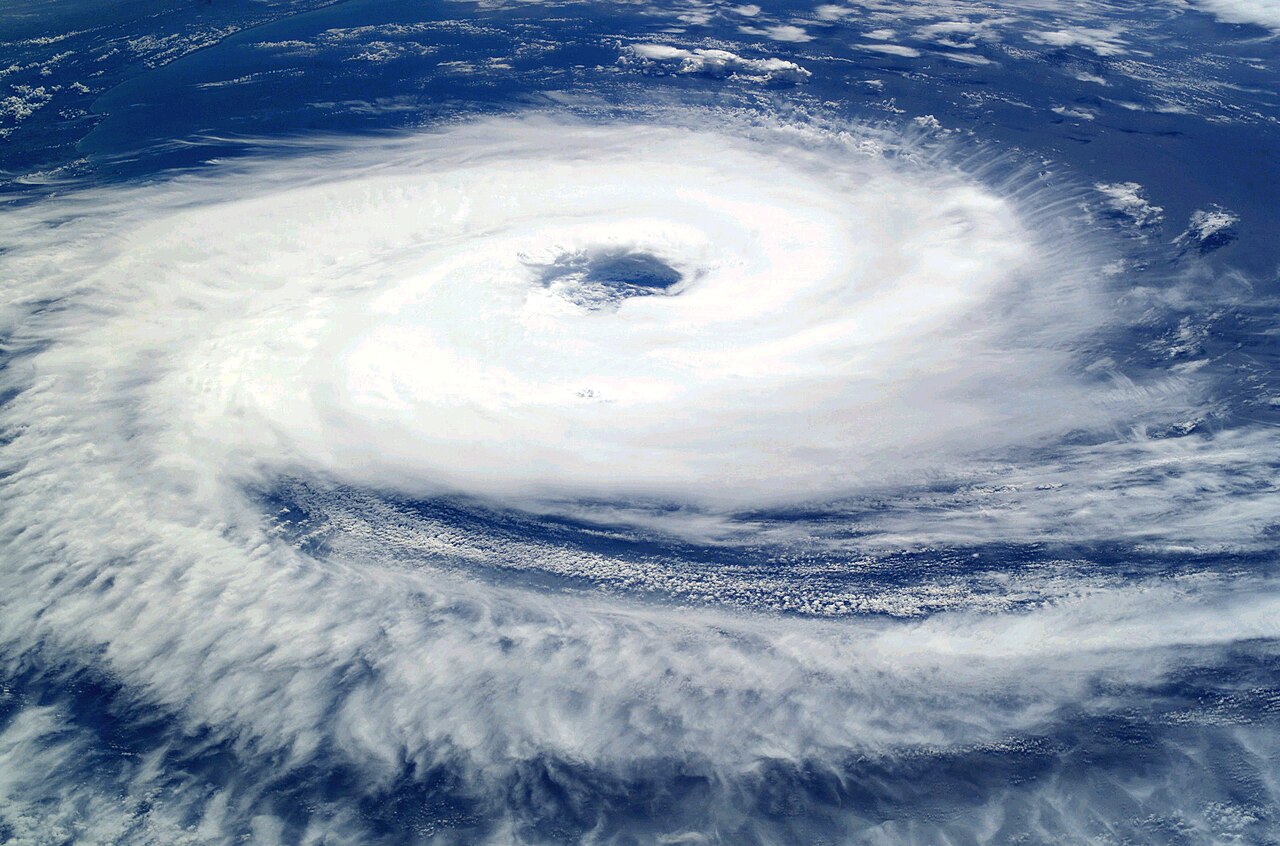
Hurricane Florence was an Atlantic hurricane in early September 2006. It formed from a tropical wave in the central tropical Atlantic and followed a classic Cape Verde hurricane path toward the northwest and then northeast. Florence reached hurricane strength in the vicinity of Bermuda and later lost tropical characteristics as it moved into higher latitudes. Although relatively short-lived as a hurricane, Florence produced strong winds and heavy rain in affected areas, with no reported fatalities.
Image gallery
10 Images



Meteorological history
The system developed from a tropical wave on September 3, 2006, and was designated the seventh tropical storm and the second hurricane of the 2006 Atlantic hurricane season. Early organization of the disturbance was hindered by unfavorable environmental conditions, which coincided with the system expanding to an unusually large size for its intensity. After moving west-northwestward for several days, Florence encountered a localized region of reduced vertical wind shear and strengthened to hurricane status on September 10. The hurricane executed a recurvature around a mid-latitude trough, passing just to the west of Bermuda before accelerating northeastward. By September 13, the cyclone completed extratropical transition as it entered cooler waters and stronger frontal systems.
Impacts and damages
On Bermuda, Florence produced hurricane-force gusts reported up to 115 mph (185 km/h), causing scattered power outages and some structural and vegetation damage. The storm was notable on the island as the first system to produce such winds since Hurricane Fabian in September 2003. After becoming extratropical, Florence brought periods of heavy rain and strong winds to parts of Atlantic Canada, particularly Newfoundland, where flooding and wind damage were reported; one house was destroyed and several others experienced minor damage. There were no confirmed fatalities associated with Florence.
Significance and distinctions
Florence is often described as a Cape Verde-type hurricane because it originated from a tropical wave emerging from the African coast and tracked across the tropical Atlantic before intensifying. Its large size at formation and subsequent strengthening after a spell of unfavorable shear illustrate the variable behavior of tropical cyclones in marginal conditions. The storm's passage near Bermuda is remembered mainly for the return of hurricane-force gusts to the island after a three-year interval since Fabian.
Timeline and notable facts
- September 3, 2006: Tropical wave consolidates into a tropical cyclone in the tropical Atlantic.
- Early September: System remains broad and slow to intensify due to unfavorable conditions.
- September 10, 2006: Strengthens into a hurricane near Bermuda after a brief reduction in wind shear.
- September 10–12: Passes just west of Bermuda, producing strong gusts and localized damage.
- September 13, 2006: Transitions to an extratropical cyclone and impacts Newfoundland with rain and wind.
Further reading and sources
- Atlantic hurricane overviews
- Bermuda weather and storms
- Hurricane Fabian (2003) background
- Bermuda island reports
- September storm climatology
- Tropical storm records for 2006
- 2006 Atlantic hurricane season summary
- Tropical waves and genesis
- Tropical Atlantic conditions
- Cape Verde–type hurricanes explained
- Wind shear and tropical cyclone intensity
- Extratropical transition processes
- Newfoundland storm impacts
Note: This article synthesizes contemporaneous storm reports and broadly known meteorological concepts. Specific measurements such as peak wind gusts are drawn from official storm observations, while descriptions of development and impacts rely on standard analyses of tropical cyclone behavior.
Questions and answers
Q: When did Hurricane Florence develop?
A: Hurricane Florence developed from a tropical wave in the tropical Atlantic Ocean on September 3.
Q: Was Hurricane Florence the first Atlantic hurricane to hit Bermuda since 2003?
A: Hurricane Florence was the first Atlantic hurricane to produce hurricane force winds on Bermuda since Hurricane Fabian hit the island in September 2003.
Q: Did Hurricane Florence encounter favorable conditions while developing?
A: No, because of unfavorable conditions, the system failed to organize at first, and as a result the storm grew to an unusually large size.
Q: When did Hurricane Florence become a hurricane?
A: Florence encountered an area of lesser wind shear and strengthened into a hurricane on September 10.
Q: Did Hurricane Florence cause fatalities?
A: No, there were no fatalities as a result of the hurricane.
Q: Did Hurricane Florence cause damage in Bermuda?
A: Yes, Florence produced wind gusts of up to 115 mph (185 km/h) on Bermuda, which caused several power outages and minor damage.
Q: Did Hurricane Florence affect any other areas beside Bermuda?
A: Yes, Florence then brought heavy rains across Newfoundland as an extratropical storm, destroying one house and causing minor damage to several others.
Related articles
Author
AlegsaOnline.com Hurricane Florence (2006) Leandro Alegsa
URL: https://en.alegsaonline.com/art/45882
Sources
- nhc.noaa.gov : "Hurricane Florence Tropical Cyclone Report"
- nhc.noaa.gov : "Tropical Depression Six Discussion One"
- nhc.noaa.gov : "Tropical Depression Six Discussion Three"
- nhc.noaa.gov : "Tropical Depression Six Discussion Six"
- nhc.noaa.gov : "Tropical Depression Six Discussion Seven"
- nhc.noaa.gov : "Tropical Storm Florence Discussion Eight"
- nhc.noaa.gov : "Tropical Storm Florence Discussion Twelve"
- nhc.noaa.gov : "Tropical Storm Florence Discussion Thirteen"
- nhc.noaa.gov : "Tropical Storm Florence Discussion Seventeen"
- nhc.noaa.gov : "Tropical Storm Florence Discussion Eighteen"
- nhc.noaa.gov : "Tropical Storm Florence Discussion Twenty-Six"
- nhc.noaa.gov : "Hurricane Florence Discussion Twenty-Eight"
- nhc.noaa.gov : "Hurricane Florence Discussion Twenty-Nine"
- nhc.noaa.gov : "Hurricane Florence Discussion Thirty-Five"
- nhc.noaa.gov : "Tropical Storm Florence Public Advisory 21"