
Retired Atlantic Hurricane Names: History, Criteria, and Notable Cases
Explanation of how and why Atlantic hurricane names are retired, historical development, examples by decade, replacement practices, and a complete set of reference links.
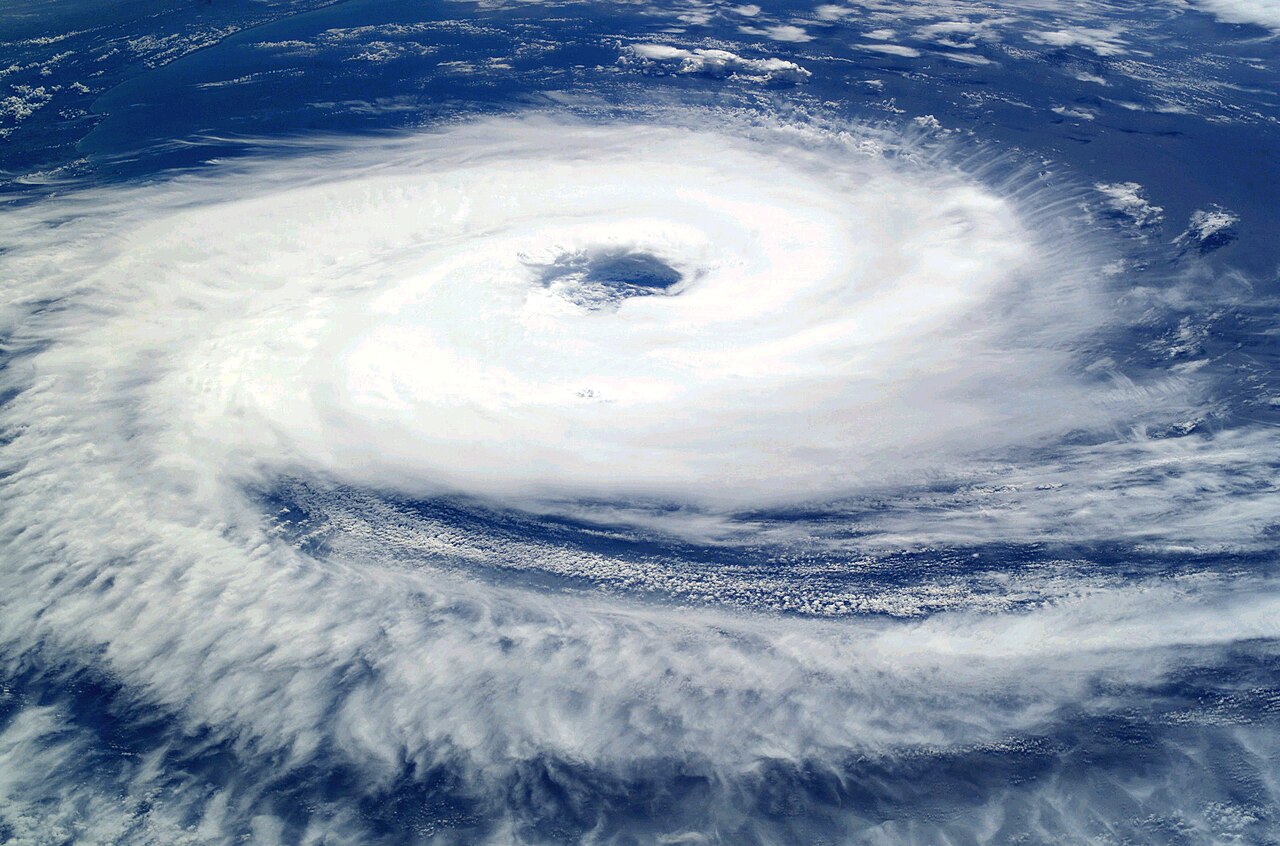
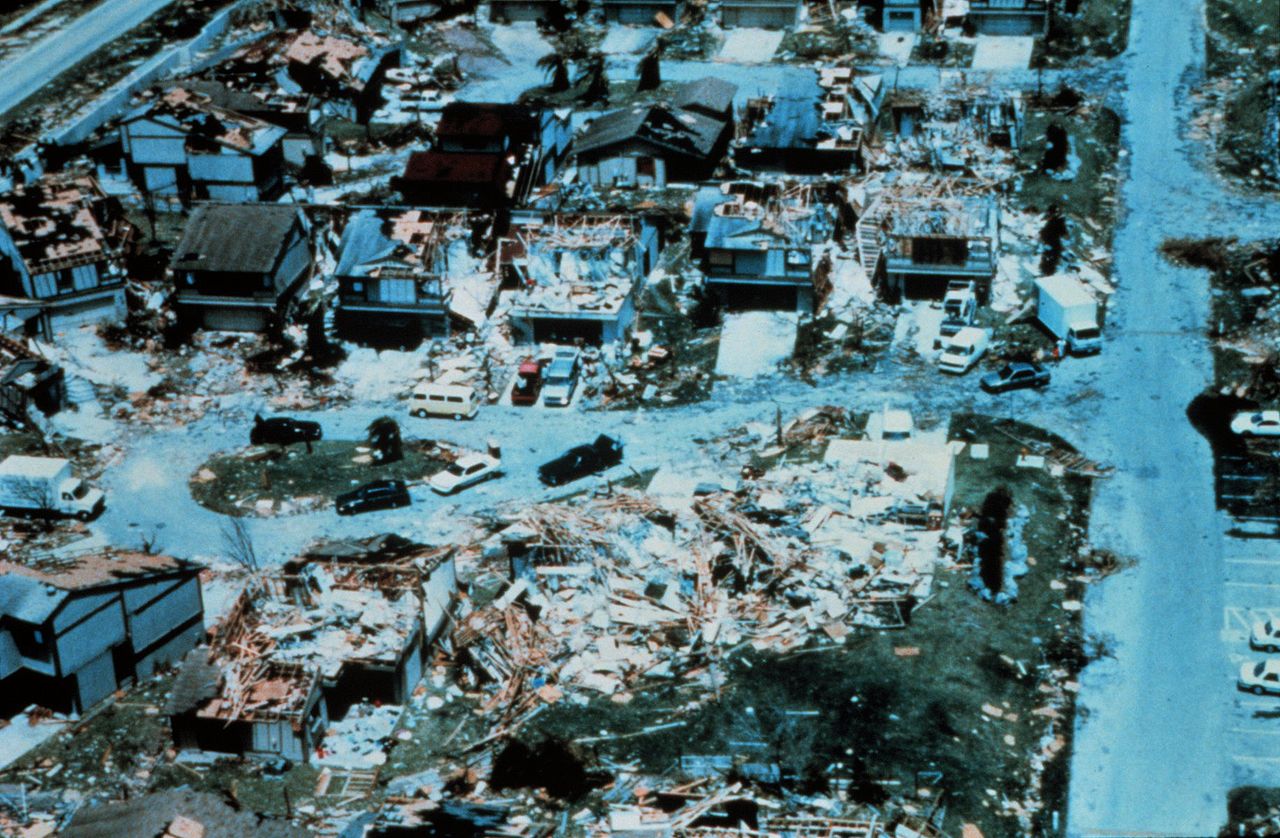
The practice of retiring personal names from the Atlantic tropical cyclone naming lists removes specific names after storms that produced exceptional loss of life, widespread destruction, or special political and social sensitivity. Retirement is a formal action taken so that the same name is not reused for a different, later storm, preventing confusion and respecting the memory of those affected. The World Meteorological Organization and regional committees play a central role in deciding retirements and selecting replacement names.
Image gallery
10 Images





Criteria and decision process
Names are typically retired when a tropical cyclone becomes historically notable because of its human toll or economic impact. Retirement may also follow requests from countries or territories that experienced severe impacts and prefer the affected name removed from future rotating lists. Decisions are reviewed at annual or biennial meetings of regional hurricane committees, which then announce retired names and their replacements. The lists for the Atlantic are maintained on a rotating six‑year cycle, with retired names substituted by new ones that match the list’s linguistic and cultural balance.
Development and patterns in retirement
The formal retirement practice evolved through the second half of the 20th century as storm forecasting and naming systems matured and as disasters drew global attention. Early retired names came from destructive storms that shaped public understanding of hazard risk. Over time, retirements have reflected both single catastrophic events and recurring high‑profile storms that prompted requests from affected nations. The move to alternating male and female names in the late 1970s broadened naming conventions and did not change the retirement process.
Notable retired names by era
Many retired names are widely recognized in meteorological history. Examples include powerful mid‑century storms whose names entered the public lexicon, several iconic late‑20th century hurricanes that changed building codes and preparedness practices, and 21st‑century storms that prompted large relief efforts and policy reviews. Well known retired names include Atlantic storms that struck coasts, islands, and inland areas and that are now cited in disaster studies and preparedness literature.
Replacement and practical importance
Replacing a retired name preserves the structure of alternating six‑year lists while removing names associated with particularly traumatic events. Replacement choices try to avoid repetition of sounds and to respect language use in affected regions. The retirement and replacement system supports clear communication by meteorologists, emergency managers, media, and the public when warning of future storms.
Complete reference links and further reading
- Reference 1
- Reference 2
- Reference 3
- Reference 4
- Reference 5
- Reference 6
- Reference 7
- Reference 8
- Reference 9
- Reference 10
- Reference 11
- Reference 12
- Reference 13
- Reference 14
- Reference 15
- Reference 16
- Reference 17
- Reference 18
- Reference 19
- Reference 20
- Reference 21
- Reference 22
- Reference 23
- Reference 24
- Reference 25
- Reference 26
- Reference 27
- Reference 28
- Reference 29
- Reference 30
- Reference 31
- Reference 32
- Reference 33
- Reference 34
- Reference 35
- Reference 36
- Reference 37
- Reference 38
- Reference 39
- Reference 40
- Reference 41
- Reference 42
- Reference 43
- Reference 44
- Reference 45
- Reference 46
- Reference 47
- Reference 48
- Reference 49
- Reference 50
- Reference 51
- Reference 52
- Reference 53
- Reference 54
- Reference 55
- Reference 56
- Reference 57
- Reference 58
- Reference 59
- Reference 60
- Reference 61
- Reference 62
- Reference 63
Questions and answers
Q: What is this article about?
A: This article is about a list of retired Atlantic hurricane names.
Q: When do Atlantic hurricane names get retired?
A: Atlantic hurricane names get retired if and when they are notable enough by causing a lot of damage or killing many people, or if the government or country requests the name to be retired by the World Meteorological Organization.
Q: What years are included in the list of retired Atlantic hurricane names?
A: The list of retired Atlantic hurricane names includes 1950s, 1960s, 1970s, 1980s, 1990s, 2000s, 2010s and 2020s.
Q: What were some of the 1950's hurricanes that have been retired?
A: Some of the 1950's hurricanes that have been retired include Carol, Edna, Hazel, Connie, Diane and Ione.
Q: What were some of the 2000's hurricanes that have been retired?
A: Some of the 2000's hurricanes that have been retired include Keith, Allison Iris Michelle Isidore Lili Fabian Isabel Juan Charley Frances Ivan Jeanne Dennis Katrina Rita Stan Wilma Dean Felix Noel Gustav Ike Paloma.
Q: What were some of the 2010's hurricanes that have been retired?
A: Some of the 2010's hurricanes that have been retired include Igor Tomas Irene Sandy Ingrid Erika Joaquin Matthew Otto Harvey Irma Maria Nate Florence Michael.
Q: What were some of the 2020's hurricanes that have been retired?
A: Some of the 2020's hurricanes that have been retired include Laura Eta Iota Ida.
Related articles
Author
AlegsaOnline.com Retired Atlantic Hurricane Names: History, Criteria, and Notable Cases Leandro Alegsa
URL: https://en.alegsaonline.com/art/124956