
Hurricane Georges (1998): path, impacts, and aftermath
A long-lived Atlantic hurricane in September 1998 that struck the northern Caribbean and the U.S. Gulf Coast, causing widespread flooding, infrastructure damage, 604 deaths, and an estimated $5.9 billion in losses.
Hurricane Georges was a powerful and long-lived tropical cyclone in the 1998 Atlantic season that produced widespread destruction across parts of the Caribbean and the United States. Forming during the busy late-summer period, it tracked westward across the tropical Atlantic and affected multiple nations before making landfall on the U.S. Gulf Coast. Although not the deadliest or costliest storm of 1998, Georges inflicted heavy human and economic costs and is remembered for the breadth of its impact.
Image gallery
10 Images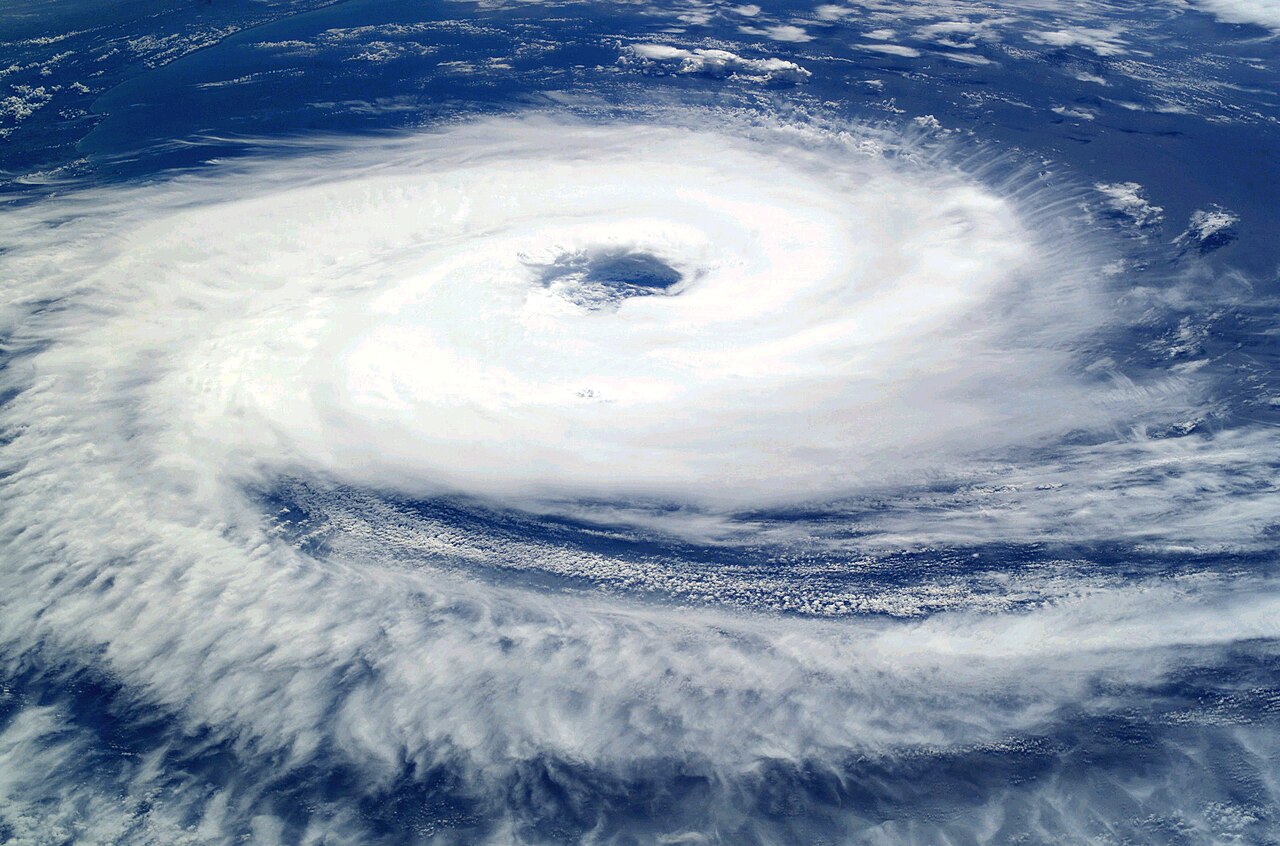


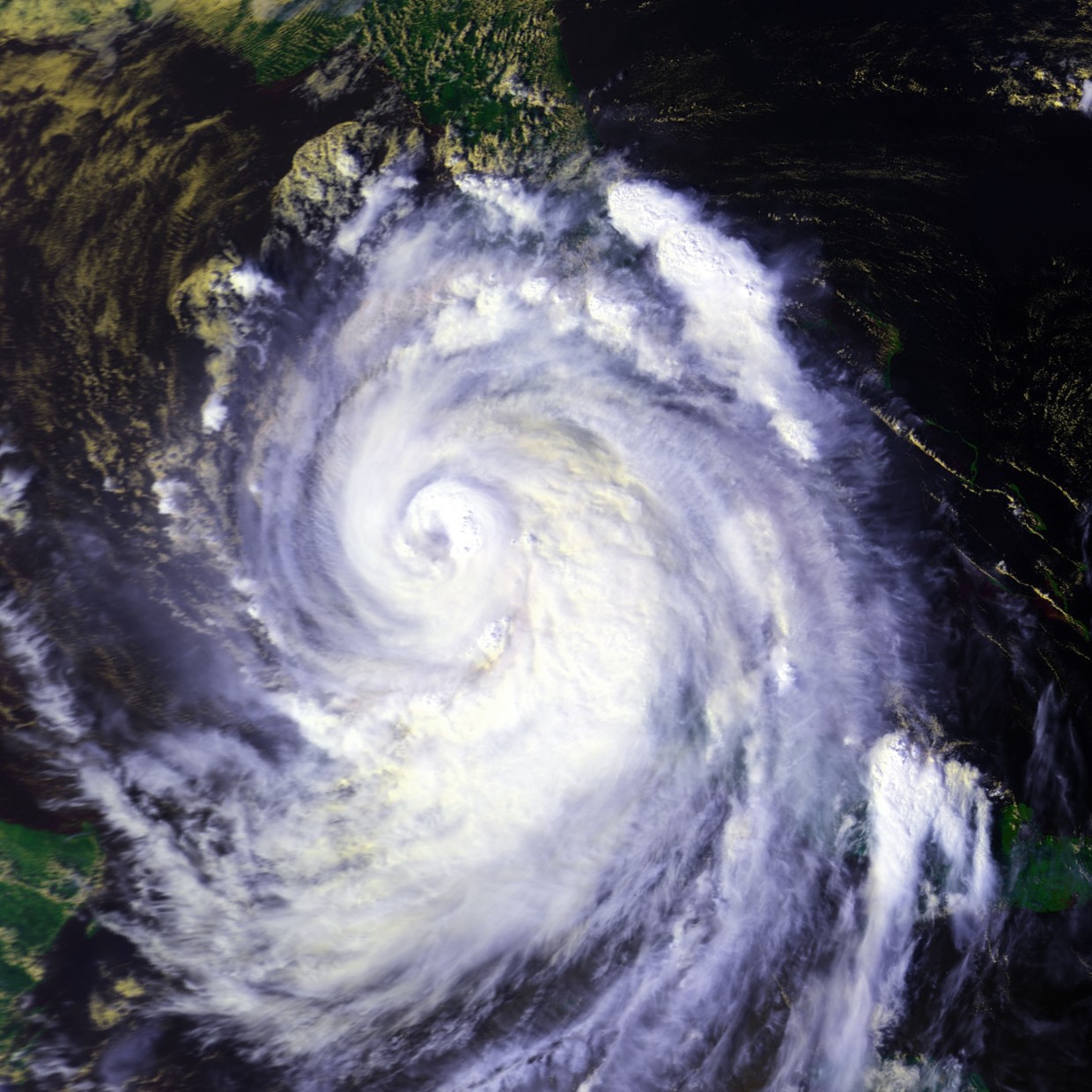

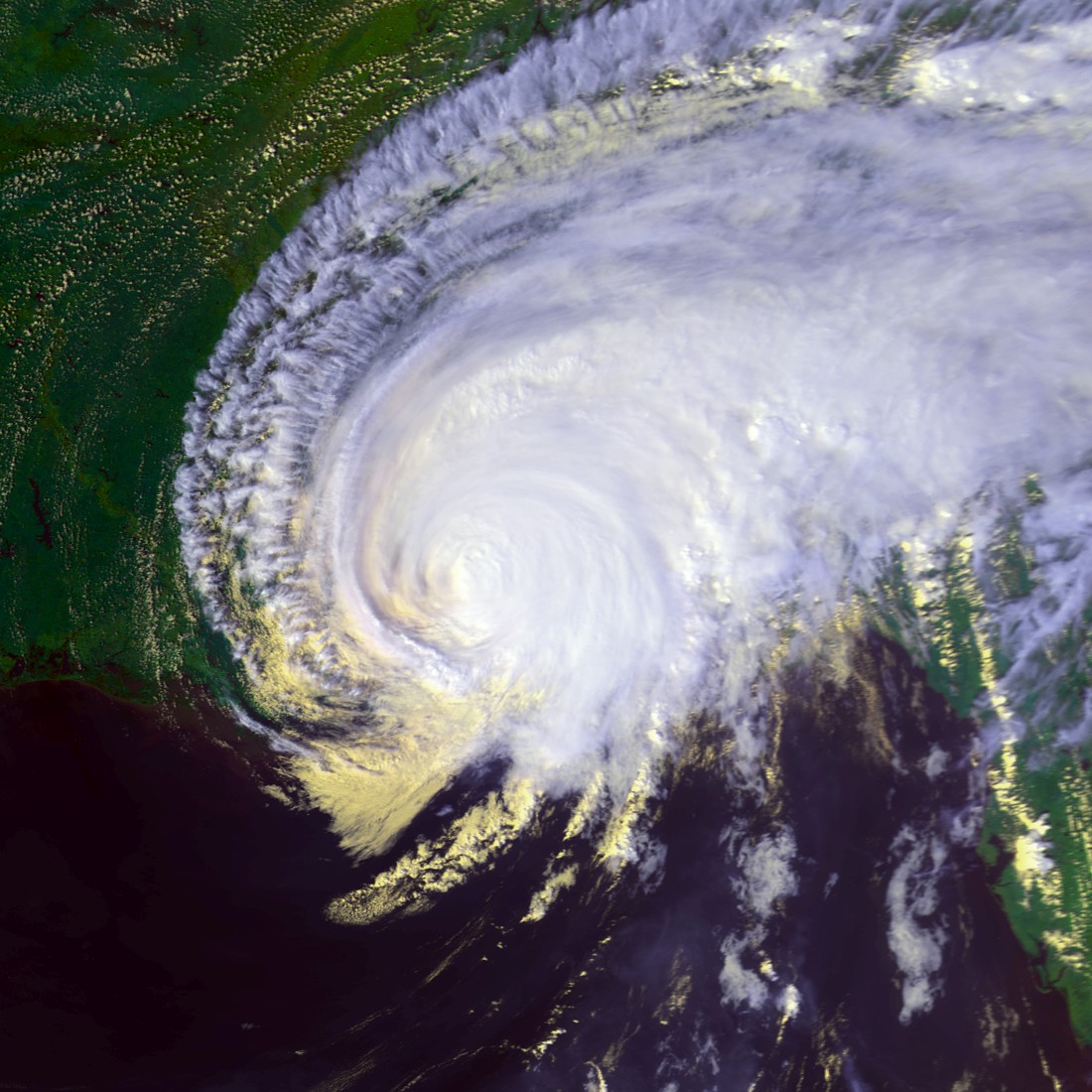

Meteorological development and track
Georges originated from a tropical wave that moved west across the Atlantic in late summer. It gradually strengthened as it moved toward the Caribbean, maintaining tropical-storm or hurricane intensity over an extended period. The system crossed a chain of islands and the Greater Antilles, weakening and re-strengthening at times as it encountered land and open water. Its final U.S. landfall occurred along the northern Gulf Coast after traversing the Caribbean nations.
Areas affected and major impacts
The storm produced a notable path of destruction. It struck numerous locations in the northern Caribbean islands and caused severe damage in Puerto Rico, Hispaniola (Haiti and the Dominican Republic), and Cuba. After moving across the Caribbean, Georges made landfall along the U.S. Gulf Coast in Mississippi and affected neighboring states. Across all affected areas the storm produced destructive winds, extensive storm-surge flooding, and heavy inland rainfall that led to widespread river flooding and landslides.
- Human toll: Georges was associated with hundreds of fatalities across multiple countries; the commonly reported total is 604 deaths.
- Economic damage: Estimated losses reached roughly $5.9 billion, reflecting damage to homes, crops, roads, and utilities.
- Infrastructure and agriculture: Power outages, washed-out roads, and ruined harvests were widespread, complicating recovery for weeks to months.
Response, recovery, and lessons
Local authorities, national governments, and international aid agencies undertook emergency evacuations, sheltering, and relief deliveries. Recovery focused on restoring power and transportation, repairing homes, and providing medical and food assistance. The storm highlighted the vulnerability of coastal and mountainous island communities to combined wind and flood hazards, and underlined the importance of preparedness, early warning, and resilient infrastructure.
Context and notable facts
Georges was one of several destructive storms in the active 1998 Atlantic hurricane season. It was overshadowed in terms of fatalities and economic cost by Hurricane Mitch, which struck Central America later that year. For summary and season context, see the broader 1998 Atlantic hurricane season and regional reports for the Gulf Coast of the United States. The storm remains a case study in multi-country disaster response and the compound threats posed by wind, surge, and inland flooding.
Further detailed accounts, meteorological analyses, and post-storm assessments are available from regional weather services and disaster agencies for each affected jurisdiction. These sources document the storm's evolving intensity, specific local impacts, and lessons learned during recovery and rebuilding efforts.
Related articles
Author
AlegsaOnline.com Hurricane Georges (1998): path, impacts, and aftermath Leandro Alegsa
URL: https://en.alegsaonline.com/art/45890