
Hurricane Gert (1999)
Atlantic Cape Verde hurricane in September 1999 that reached Category 4 strength, passed east of Bermuda, became extratropical near Atlantic Canada, and produced notable marine damage and outages.
Overview
Hurricane Gert was a powerful Atlantic tropical cyclone in September 1999. It developed from a tropical wave off the coast of Africa on September 11 and intensified into a major hurricane, reaching peak sustained winds near 150 mph (about 240 km/h) on September 15. Gert was the fourth of five major hurricanes in the active 1999 Atlantic hurricane season; its evolution followed the classic pattern of a Cape Verde–type storm that traverses the central Atlantic before recurving to the north.
Image gallery
10 Images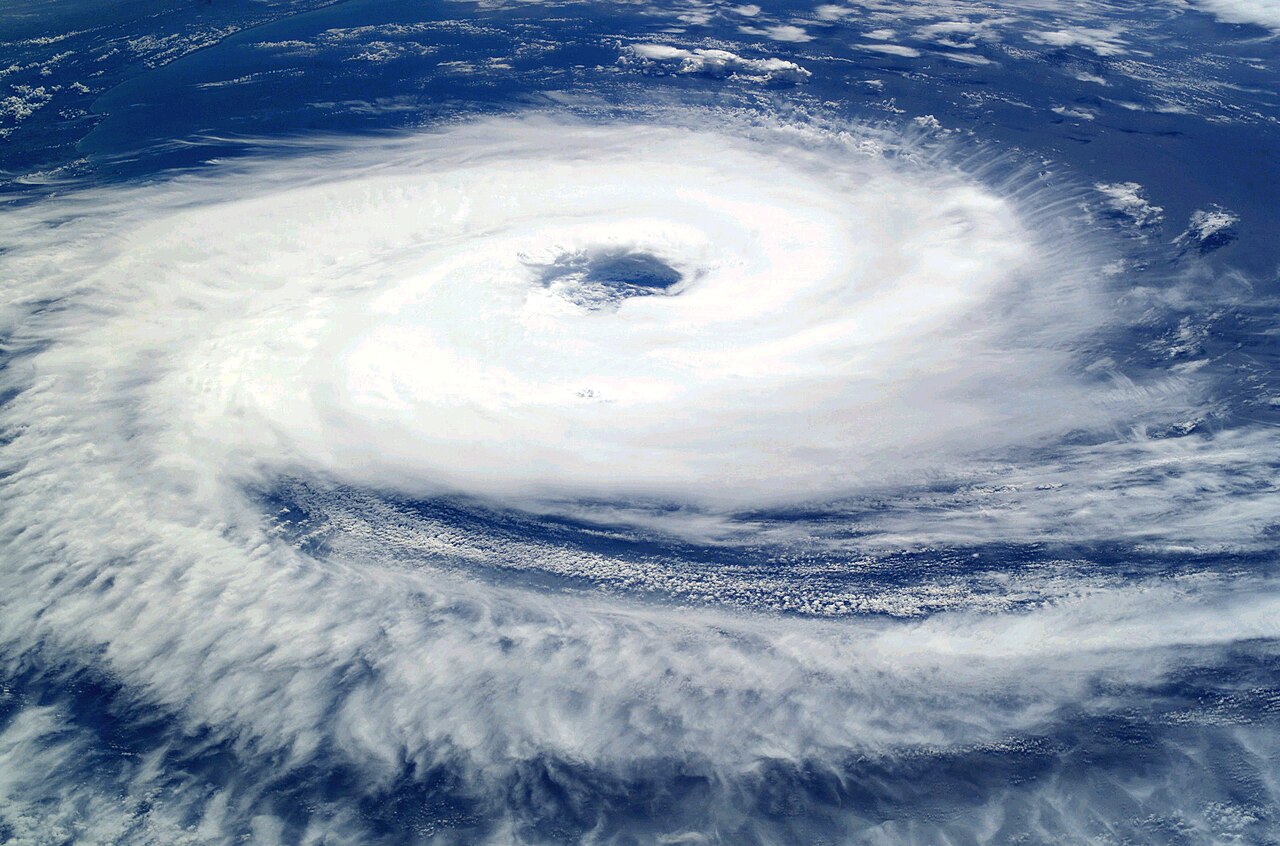


Meteorological history
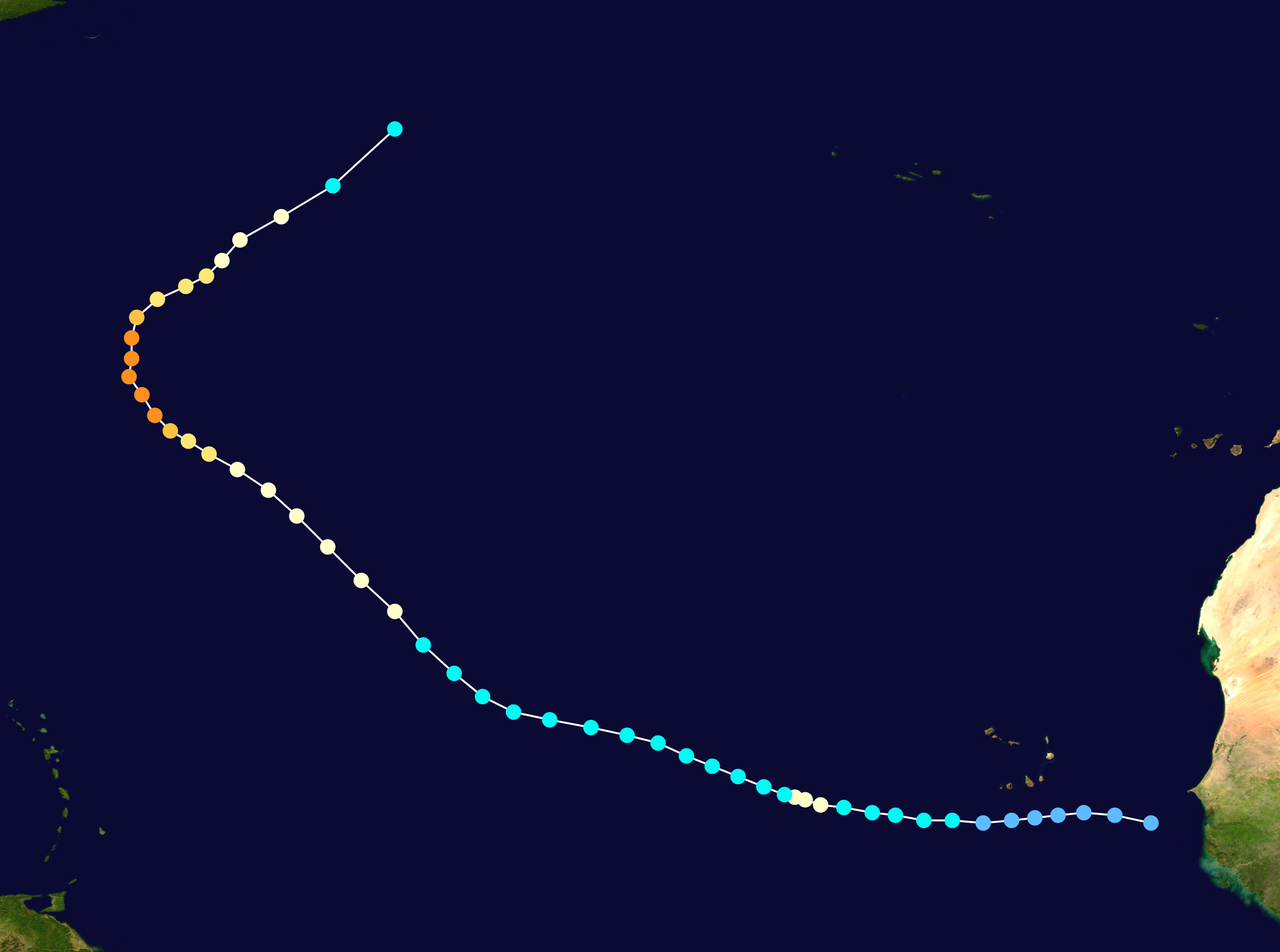
The system that became Gert tracked westward across the tropical Atlantic, steered by the subtropical ridge to its north. Favorable atmospheric conditions allowed rapid strengthening into a high-end Category 4 hurricane on the Saffir–Simpson scale. After peaking on September 15 the storm gradually curved northwest and then north as it encountered cooler waters and increasing wind shear. By September 23 Gert lost its tropical characteristics as it transitioned to an extratropical cyclone and was absorbed by a larger mid-latitude system while turning northeastward.
Impact and effects
Gert's center remained over open water and did not make landfall, but the cyclone affected maritime interests and nearby islands. As it passed a short distance east of Bermuda, the island experienced strong gusts, elevated seas, and localized power outages. In the north Atlantic, the storm's swell and storm surge produced heavy wave action along parts of Atlantic Canada; areas such as Newfoundland reported significant marine and coastal damage where waves and surf were largest. There were no widely reported catastrophic land impacts directly attributable to a landfalling eyewall.
Preparedness and response
National and local weather services issued warnings and advisories as Gert approached higher latitudes. Mariners were advised to avoid the storm's vicinity and shipping routes were adjusted to reduce exposure to the hurricane's strong winds and seas. The experience underlined common preparedness measures for powerful, fast-moving hurricanes: securing infrastructure, monitoring forecasts, and protecting marine assets. For context on seasonal activity, Gert is documented within the broader 1999 season summaries and analyses (season overview).
Significance and legacy
Gert is remembered as a textbook Cape Verde hurricane that reached major status but produced its most notable impacts at sea rather than through direct landfall. It illustrates how intense storms can pose serious risks to shipping and coastal communities through waves and swell even when their centers remain offshore. Meteorologists study storms like Gert to better understand rapid intensification, steering influences in the central Atlantic, and the process of extratropical transition, particularly when the remnants affect higher latitudes such as Atlantic Canada (regional impacts).
Quick facts
- Formation: Tropical wave off Africa, September 11, 1999.
- Peak intensity: ~150 mph (240 km/h), September 15, 1999.
- Transitioned to extratropical: September 23, 1999.
- Main effects: maritime damage, elevated seas and coastal impacts in Newfoundland region, power outages in Bermuda.
Related articles
Author
AlegsaOnline.com Hurricane Gert (1999) Leandro Alegsa
URL: https://en.alegsaonline.com/art/45892