
Hurricane Gert (1993)
September 1993 Atlantic hurricane that struck Central America and eastern Mexico, producing destructive flooding and landslides; reported peak winds near 105 mph and many casualties and missing persons.
Overview
Hurricane Gert was a powerful tropical cyclone in the Atlantic basin that affected parts of Central America and eastern Mexico in September 1993. It is remembered for heavy rainfall, destructive floods and landslides that struck areas already vulnerable from earlier storms. Contemporary reports described sustained winds near 105 miles per hour at peak intensity, placing the system in the major tropical storm to low-end hurricane category by wind speed standards at the time.
Image gallery
10 Images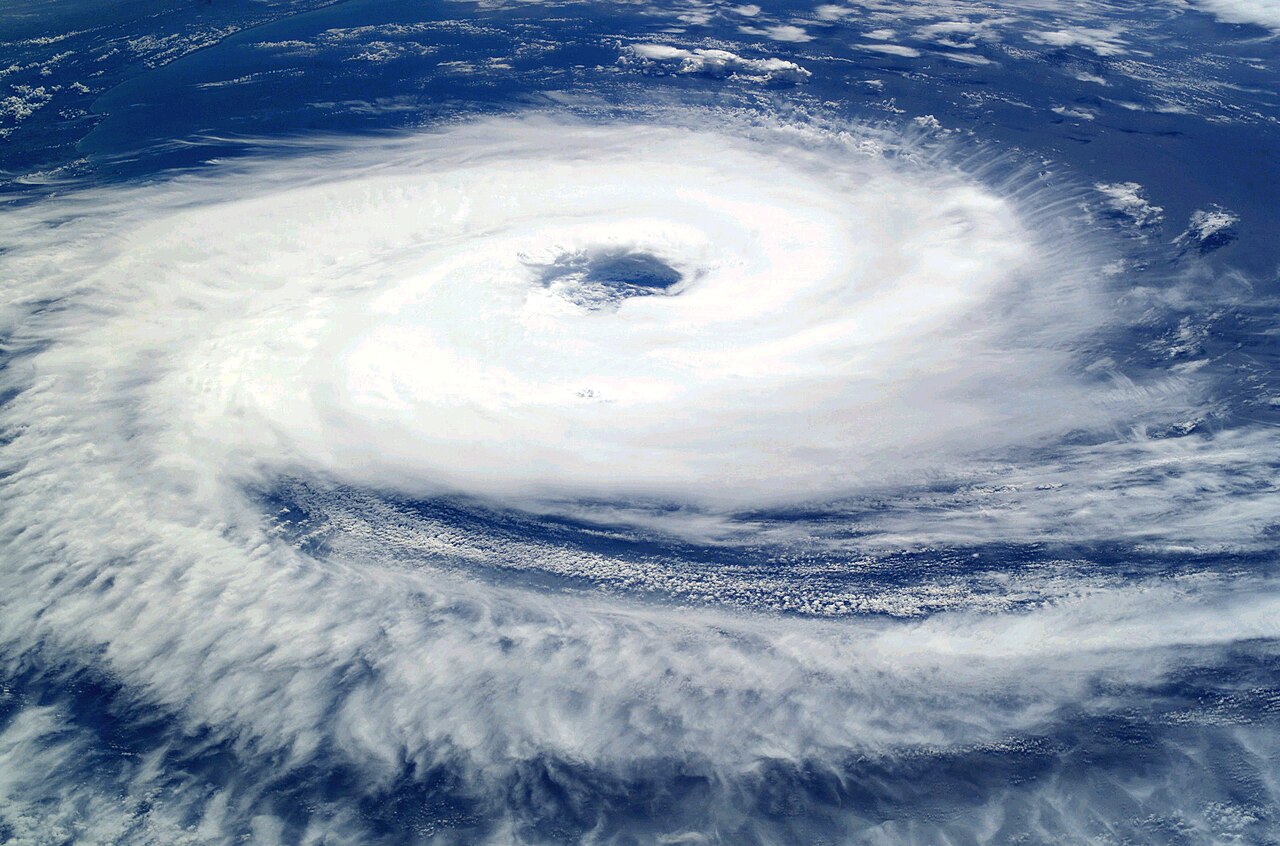




Meteorological characteristics
Gert developed during the 1993 Atlantic hurricane season and followed a path that brought its core close to coastal and inland areas of Central America before affecting Mexico. The storm produced intense tropical rainfall over a broad area, which was the principal driver of damage and loss of life rather than only the wind field. For a concise technical summary of the storm's evolution and structure, see the meteorological summary.
Impacts and human toll
Flooding and landslides accounted for the majority of harm to communities in the storm's path. Official and media accounts at the time reported approximately ninety fatalities and dozens of people listed as missing in the weeks after the event; different agencies later summarized casualties and losses with some variation. The storm damaged housing, roads, bridges and agricultural lands, complicating access for relief efforts and prolonging recovery.
- Primary hazards: heavy rain, flash flooding, and landslides.
- Reported peak winds: about 105 mph (sustained), according to contemporaneous sources.
- Reported human losses: roughly ninety dead and many missing in immediate aftermath.
Aftermath, response and legacy
Emergency response focused on search and rescue, temporary sheltering and restoring transportation links. Humanitarian organizations and governments provided relief supplies and reconstruction assistance in affected communities. Notably, despite the storm's severity and loss of life, the name Gert was not retired from the rotating Atlantic list in the spring of 1994. The event is often cited in regional disaster studies as an example of how tropical cyclones produce their most severe effects through rain-induced flooding in mountainous and coastal areas.
Context and comparisons
Gert struck parts of the same general region that had been hard hit by Hurricane Diana three years earlier; observers at the time noted that Gert produced somewhat stronger winds but that the widespread flooding was the most consequential similarity. For additional background on the affected region and related storms, consult regional overviews at Central America references and national summaries at Mexico briefings. For historical comparisons with prior storms in the early 1990s, see analyses referenced under previous hurricanes.
Related articles
Author
AlegsaOnline.com Hurricane Gert (1993) Leandro Alegsa
URL: https://en.alegsaonline.com/art/45891