
Hurricane Dog (1950): Category 5 Atlantic storm and its impacts
Hurricane Dog was a powerful Category 5 hurricane in the 1950 Atlantic season that struck the Leeward Islands and brushed New England coasts, causing major damage in Antigua and fatalities in the United States.
Overview
Hurricane Dog was one of the most intense storms of the 1950 Atlantic hurricane season. Identified as the fourth named cyclone that year, Dog developed in late August and intensified rapidly to reach Category 5 strength on the Saffir–Simpson scale. At peak intensity the storm produced sustained winds reported near 185 mph (295 km/h) over open water, making it among the strongest Atlantic hurricanes of that era.
Image gallery
4 Images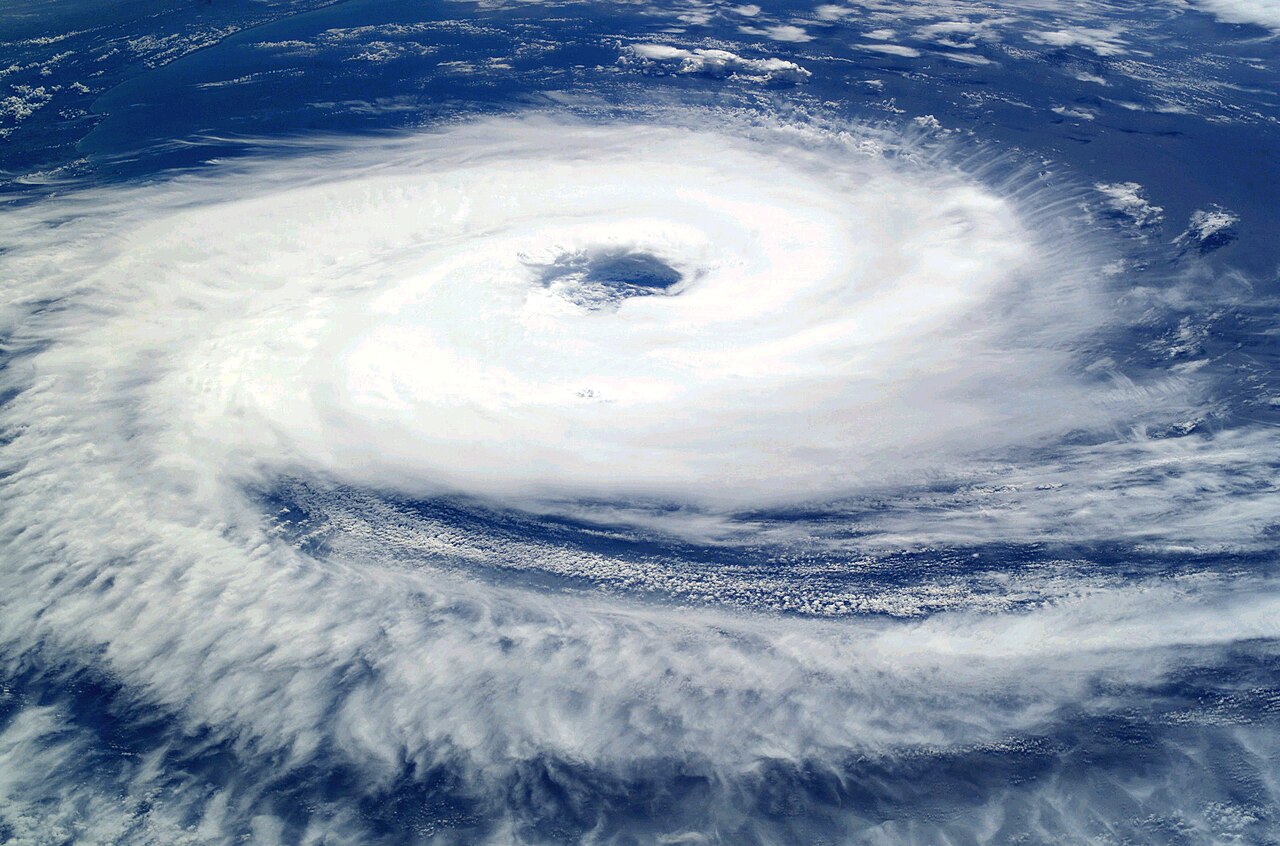


Meteorological history
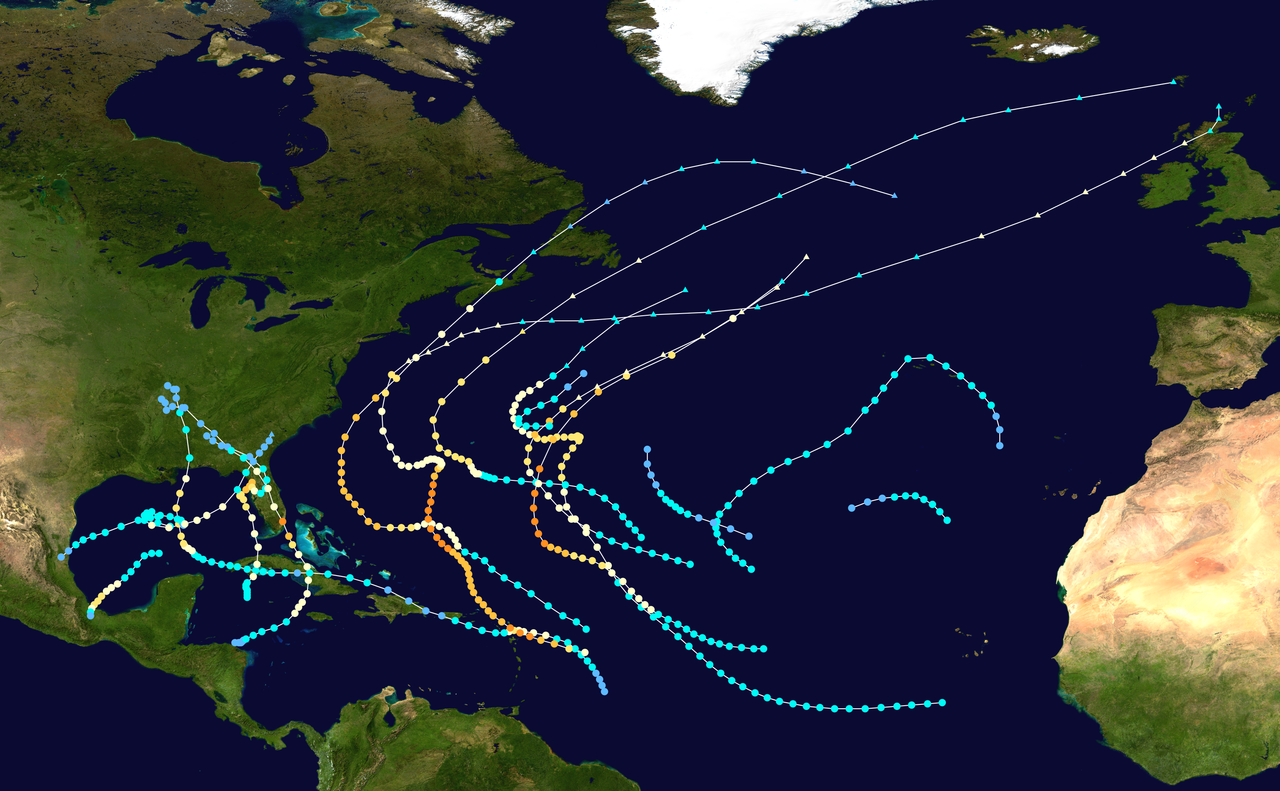
The system originated to the east of Antigua on August 30 and tracked westward through the northern reaches of the Lesser Antilles. After passing the island arc the cyclone turned northward and underwent further deepening over warm ocean waters, reaching Category 5 intensity while still well offshore. As it moved north, Dog gradually weakened; it later passed within roughly 200 miles (about 320 km) of Cape Cod before losing tropical characteristics and becoming extratropical on September 12.
Characteristics
Dog combined exceptional wind strength with a compact but intense core, typical of some major hurricanes that peak over open sea. Reports from reconnaissance and post-storm assessments placed its maximum sustained winds at about 185 mph, and its highest destructive potential remained over the ocean rather than on land. The name "Dog" reflects the mid-20th century practice of using the Joint Army/Navy phonetic alphabet for storm identification, a convention later replaced by female and then alternating gender human names.
Impacts
The greatest damage occurred across the eastern Caribbean. In the Leeward Islands, and particularly on Antigua, Dog produced severe wind and structural damage; contemporary accounts described it as one of the strongest hurricanes on record for Antigua at the time, with numerous buildings destroyed or heavily damaged. When the system approached the continental United States it caused coastal impacts rather than a direct landfall. Along the eastern seaboard and into the United States, the storm damaged vessels and led to maritime losses; reports list several boats sunk or disabled and 11 drowning fatalities attributed to the event. Strong winds also produced widespread power outages across southeastern New England.
Damage estimate and historical significance
Monetary damage attributed to Hurricane Dog was assessed at roughly $3 million (1950 USD), reflecting losses to property, shipping, and infrastructure; contemporary conversions place this figure substantially higher in modern dollars. Beyond the financial toll, Dog is notable for its intensity in a season that marked early formal naming of storms and for highlighting the vulnerability of small Caribbean islands to powerful tropical cyclones. Its close passage off New England also reinforced the need for improved forecasting and coastal preparedness in the mid-20th century.
Key facts
- Season: 1950 Atlantic hurricane season
- Formation: August 30, east of Antigua
- Peak intensity: ~185 mph (295 km/h) sustained winds (Category 5)
- Major affected areas: Leeward Islands, parts of the United States, including coastal New England (southeastern New England)
- Transition to extratropical: September 12 (extratropical)
For further technical details, historical reports and contemporary analyses can be consulted through meteorological archives and storm summaries that document Dog's track, wind estimates, and regional damage assessments.
Related articles
Author
AlegsaOnline.com Hurricane Dog (1950): Category 5 Atlantic storm and its impacts Leandro Alegsa
URL: https://en.alegsaonline.com/art/45860