
Hurricane Floyd (1987)
Short-lived Atlantic hurricane in October 1987 that made U.S. landfall, crossing Cuba and southern Florida before becoming extratropical; produced tornadoes and rip currents with one fatality.
Hurricane Floyd was an Atlantic tropical cyclone in October 1987 that became the only hurricane to make a U.S. landfall during that year's hurricane season. The storm formed in the southwestern Caribbean Sea and moved north through the western Caribbean and the Straits of Florida before weakening and transitioning to an extratropical system. Floyd was the last of seven named storms and three hurricanes in the 1987 Atlantic hurricane season, and it was notable for its rapid changes in direction and brief period at hurricane strength.
Image gallery
6 Images


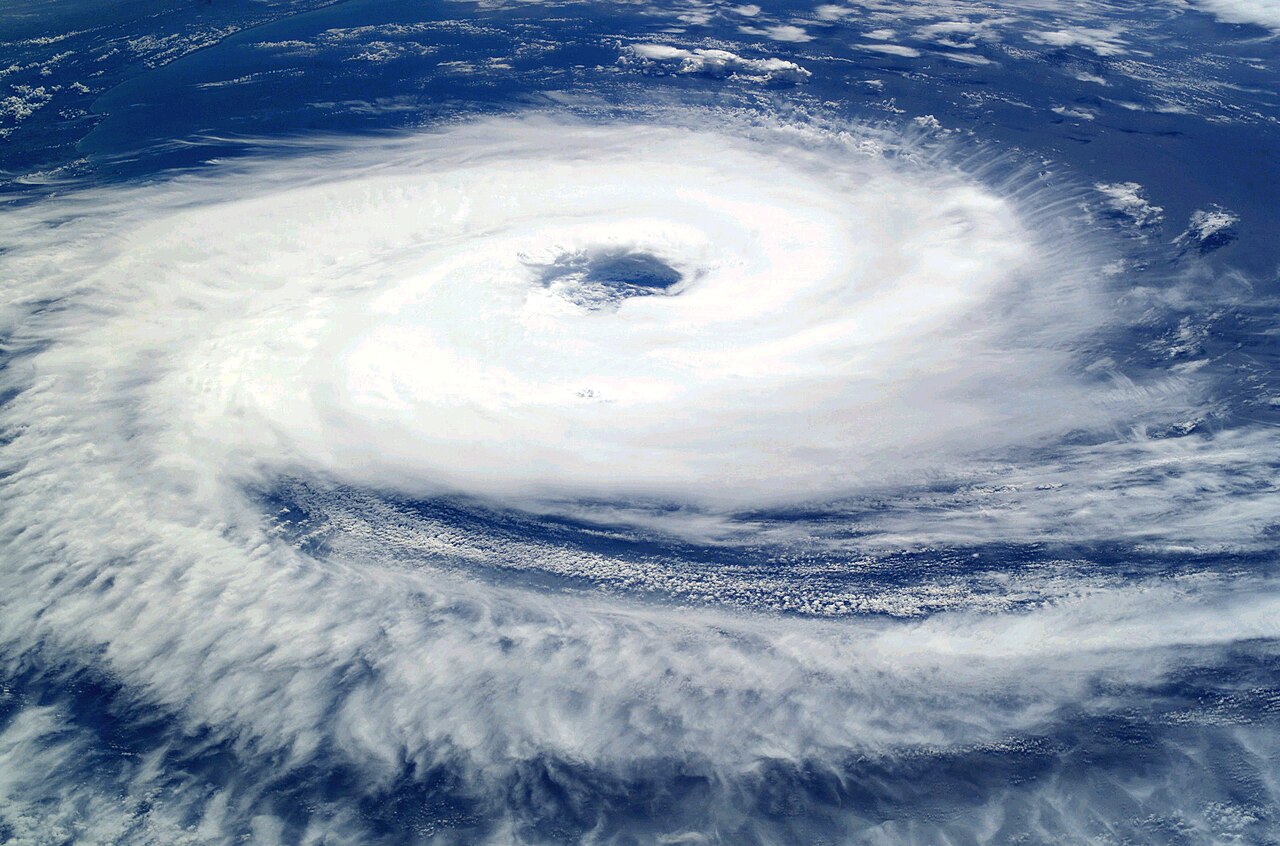
Meteorological history
The disturbance that became Floyd organized into a tropical cyclone on 9 October just off the east coast of Nicaragua. It strengthened into a tropical storm as it moved northward and then tracked across western Cuba. Interaction with a mid-latitude cold front caused a sharper turn to the northeast, and the system reached hurricane intensity late on 12 October near the Florida Keys before moving into southern Florida. Floyd remained a hurricane for only a short interval—about twelve hours—after which it weakened in the presence of the advancing frontal system and cooler air. The storm passed through the Bahamas as it lost tropical characteristics and was declared extratropical on 14 October.
Impacts and effects
Although Floyd was not a long-lived or extremely powerful hurricane, it produced a variety of hazardous conditions along its path. In southern Florida the system generated strong winds and localized damage, and two tornadoes were reported in association with the storm's outer bands. Along the open coastlines, elevated surf and dangerous rip currents were widespread; rip currents attributed to Floyd resulted in at least one fatality in southern Texas. Overall, damage was relatively limited compared with many major hurricanes, but the storm still disrupted travel and damaged structures where gusts and tornadoes occurred.
Preparedness and response
Authorities in affected areas issued watches and warnings as Floyd approached, and local agencies activated routine coastal and emergency plans to warn the public about high surf, flooding potential, and the risk of tornadoes. Evacuation was limited because Floyd's period of hurricane strength was short and the storm's track did not coincide with densely populated areas at peak intensity. The event served as a reminder of the dangers posed by rip currents and tornadoes in tropical cyclone environments, even when a storm is not long-lasting.
Significance and distinctions
Floyd is remembered primarily for being the sole U.S. hurricane landfall during the 1987 season and for its rapid transition from a tropical storm to a brief hurricane and then to an extratropical cyclone. The storm's progression—from formation near Nicaragua to passage across western Cuba, near the Florida Keys, through southern Florida and the Bahamas, and finally losing tropical characteristics—illustrates the complex interactions between tropical cyclones and mid-latitude systems such as cold fronts. For reference, its development and impacts are recorded in historical storm summaries of the 1987 season.
- Made landfall in the United States (the only hurricane landfall in 1987)
- Part of the 1987 Atlantic hurricane season
- Formed near Nicaragua on 9 October
- Crossed western Cuba
- Turned northeast due to a cold front
- Became a hurricane near the Florida Keys on 12 October
- Affected south Florida and produced two tornadoes
- Generated rip currents (rip tides) that led to one death in southern Texas
- Passed through the Bahamas and became extratropical
For additional contemporary reports and technical analyses, consult archived storm summaries and national hurricane center reports that document Floyd's track and the meteorological environment in which it developed.
Questions and answers
Q: How many hurricanes and tropical storms occurred during the 1987 Atlantic hurricane season?
A: There were seven tropical storms and three hurricanes during the 1987 Atlantic hurricane season.
Q: When did Hurricane Floyd develop and where?
A: Hurricane Floyd developed on 9 October just off the east coast of Nicaragua.
Q: Where did Hurricane Floyd cross after becoming a tropical storm?
A: After becoming a tropical storm, Hurricane Floyd crossed western Cuba.
Q: Why did Hurricane Floyd suddenly turn to the northeast?
A: Hurricane Floyd suddenly turned to the northeast because a cold front was approaching.
Q: Where did Hurricane Floyd become a hurricane and when?
A: Hurricane Floyd became a hurricane near the Florida Keys late on 12 October.
Q: Did Hurricane Floyd cause any damage?
A: Yes, Hurricane Floyd produced two tornadoes and caused some damage while moving through the south of Florida.
Q: How long was Hurricane Floyd a hurricane?
A: Hurricane Floyd was a hurricane for only twelve hours before becoming weak due to the cold front.
Related articles
Author
AlegsaOnline.com Hurricane Floyd (1987) Leandro Alegsa
URL: https://en.alegsaonline.com/art/45884
Sources
- nhc.noaa.gov : "Hurricane Floyd Preliminary Report (Page 1)"
- nhc.noaa.gov : "Hurricane Floyd Preliminary Report (Page 3)"
- nhc.noaa.gov : "Hurricane Floyd Preliminary Report (Page 2)"
- nhc.noaa.gov : "Table 3. Watches and Warnings for Hurricane Floyd, October 1987"
- news.google.com : "Storms Cause Heavy Rains"
- news.google.com : "Storm gains strength, nears Florida"
- nhc.noaa.gov : "Table 3. Watches and Warnings for Hurricane Floyd, October 1987 (page 2)"
- news.google.com : "Floyd Brushes Over Keys, Miami, Moves Out to Sea"
- news.google.com : "Floyd rolls over Florida"
- hpc.ncep.noaa.gov : "Hurricane Floyd - October 10-13, 1987"
- news.google.com : "Hurricane Floyd causes riptide along Texas coast"
- aoml.noaa.gov : "Atlantic Hurricane Season of 1987"
- nl.newsbank.com : "Floyd Nicks Bahamas, Fades Into Oblivion"
- commons.wikimedia.org : Commons