
Hurricane Igor (2010) — Major Atlantic hurricane impacting Newfoundland
Hurricane Igor was a large, powerful Category 4 Atlantic hurricane in September 2010. It passed near Bermuda, then struck Newfoundland, causing roughly $200 million in damage and leading to retirement of the name Igor.
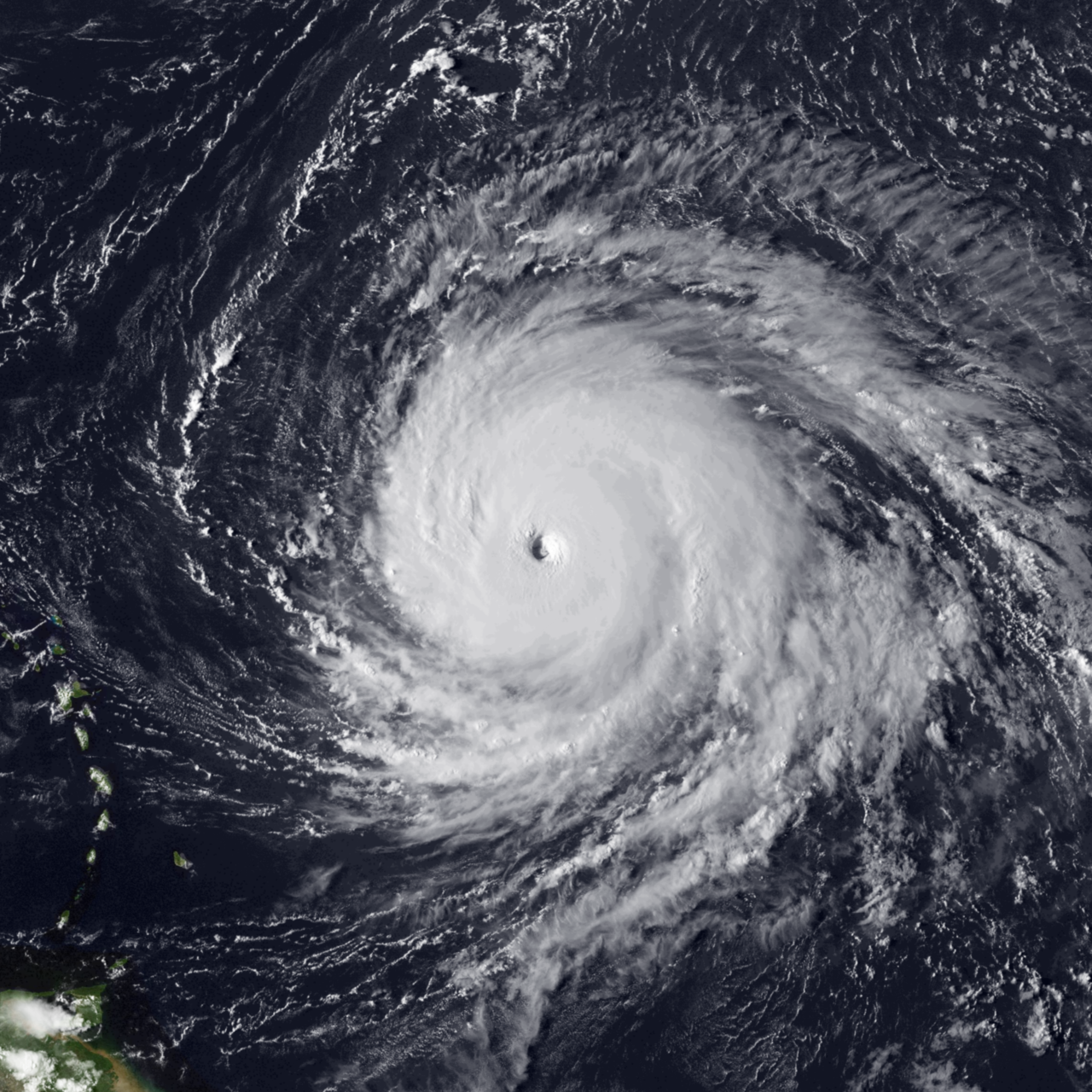
Hurricane Igor was a long-lived, powerful Atlantic hurricane that developed during the 2010 season and reached Category 4 intensity with maximum sustained winds near 155 miles per hour. As a classic east-to-west Cape Verde-type storm it tracked across the open Atlantic before recurving toward higher latitudes. Meteorologists classified it as a significant tropical cyclone because of its intensity, size, and longevity.
Image gallery
10 Images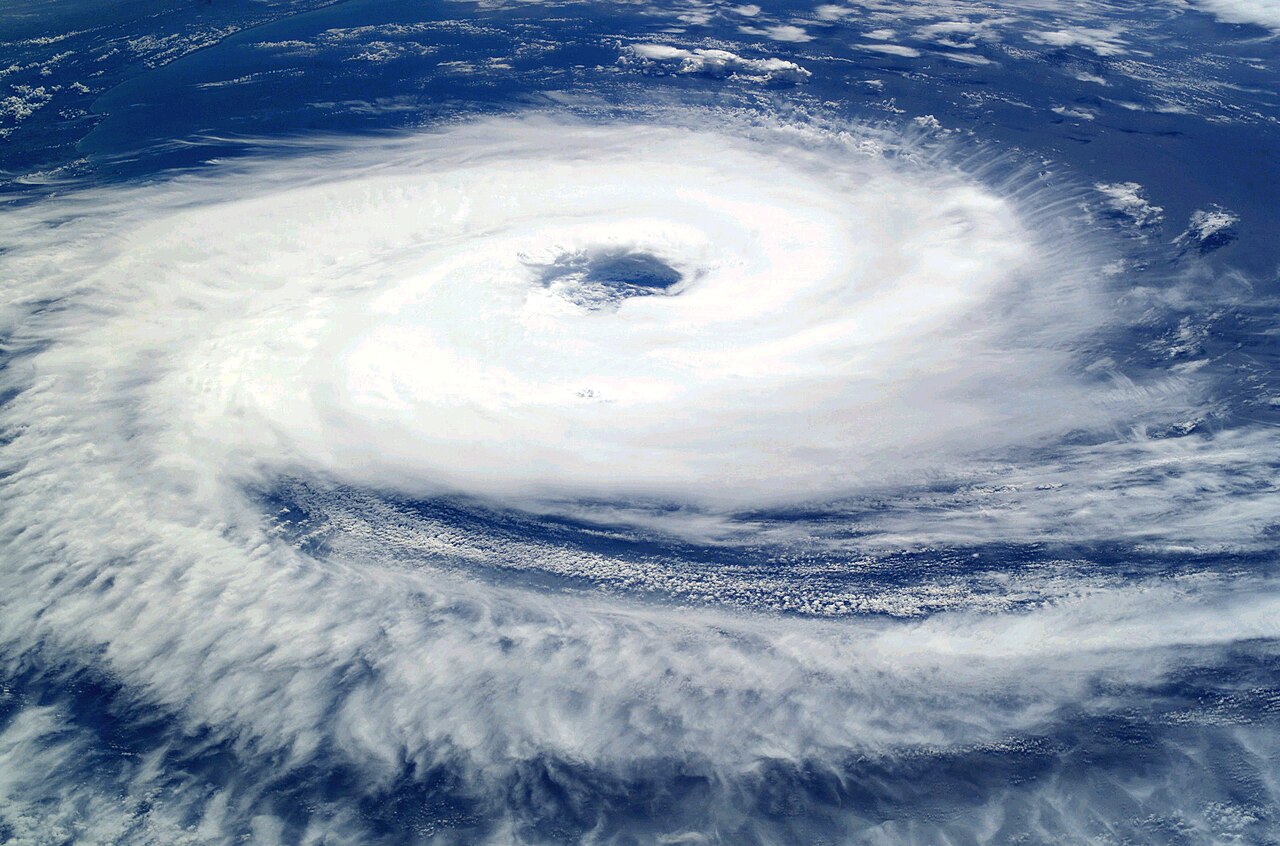




Meteorological development and track
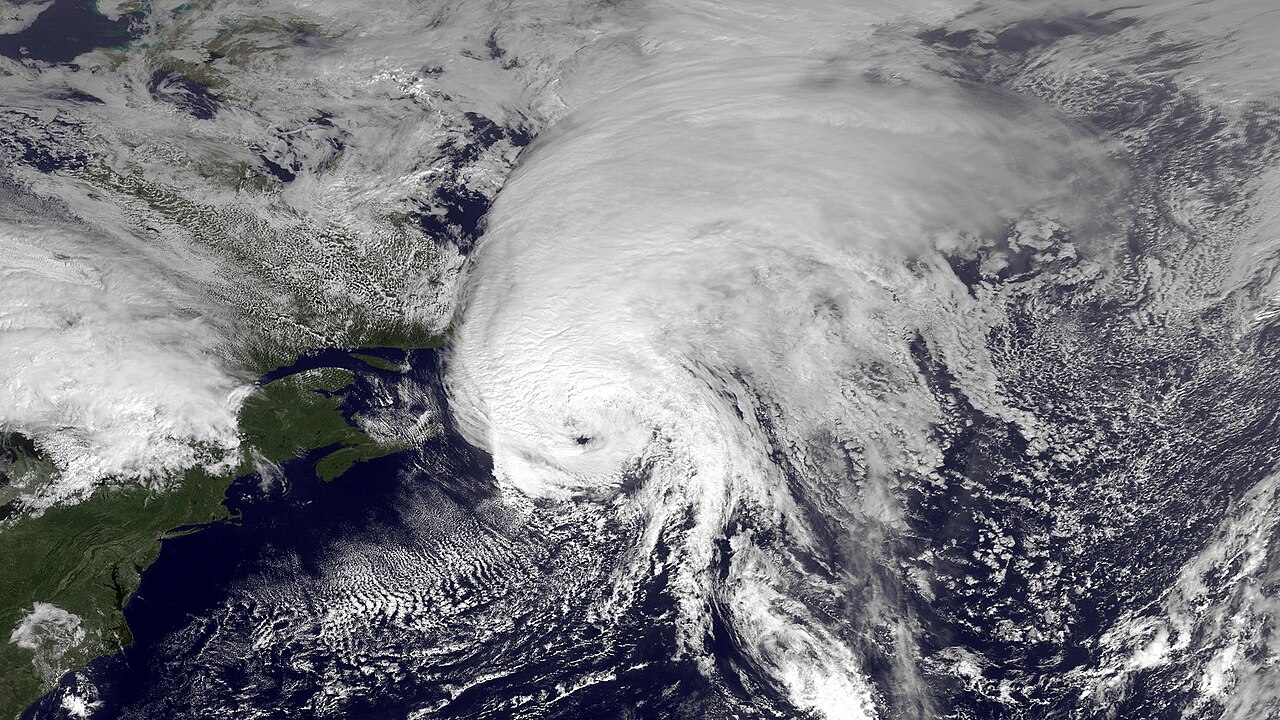
Igor formed from a tropical wave off the coast of Africa and steadily organized as it moved westward. It underwent periods of rapid intensification to reach its peak as a Category 4 hurricane, then weakened somewhat before beginning a northward and northeastward turn. During its life Igor displayed eyewall replacement cycles and fluctuations in structure typical of intense hurricanes. The storm eventually brushed past Bermuda as a weakening hurricane and later made landfall on the island of Newfoundland, carrying a large circulation that produced heavy rain and strong winds over a wide area.
Impacts and damage
Damage from Igor varied by region. Bermuda experienced gusty conditions and some coastal flooding but only limited structural damage where the storm passed nearby. In contrast, the Canadian island of Newfoundland suffered substantial impacts when the storm moved ashore. Rainfall, storm surge, and high winds caused flooding, washouts, road and bridge damage, and power outages in many communities. Estimates place direct damage in Newfoundland at about $200 million, making Igor one of the most destructive Atlantic tropical systems to affect that province.
- Coastal erosion and infrastructure damage along exposed shorelines.
- Flooding of low-lying communities and washouts of rural roads.
- Widespread power outages and disruption of services during the aftermath.
Aftermath, response, and legacy
Emergency services and governments responded with evacuations of vulnerable areas, road repairs, and relief efforts focused on restoring utilities and transportation links. In recognition of the storm's severity and its impact on communities, the World Meteorological Organization retired the name Igor from the Atlantic naming list; the name Ian replaced it beginning with the 2016 season. Igor remains a case study in how large, powerful late-season hurricanes can produce significant damage even at higher latitudes.
Notable aspects of Igor include its sustained intensity as a Cape Verde hurricane, its broad wind field that affected maritime traffic and coastal areas across a wide swath of the North Atlantic, and its role in highlighting the vulnerability of infrastructure in Atlantic Canada to strong post-tropical and tropical cyclones.
Related articles
Author
AlegsaOnline.com Hurricane Igor (2010) — Major Atlantic hurricane impacting Newfoundland Leandro Alegsa
URL: https://en.alegsaonline.com/art/45909