
Hurricane Klaus (1990): brief history and impacts
Hurricane Klaus was a short-lived, weak hurricane in the 1990 Atlantic season that passed near parts of the Lesser Antilles and whose remnants later affected the southeastern United States; it caused fatalities and modest damage.
Hurricane Klaus was a relatively weak, short-lived hurricane of the 1990 Atlantic hurricane season. It tracked close to portions of the Lesser Antilles before weakening and losing tropical characteristics. Although not a major storm in terms of intensity, Klaus produced dangerous conditions for islands in its path and for areas further north when its remnants interacted with other weather systems. For general season context see 1990 Atlantic hurricane season.
Image gallery
5 Images


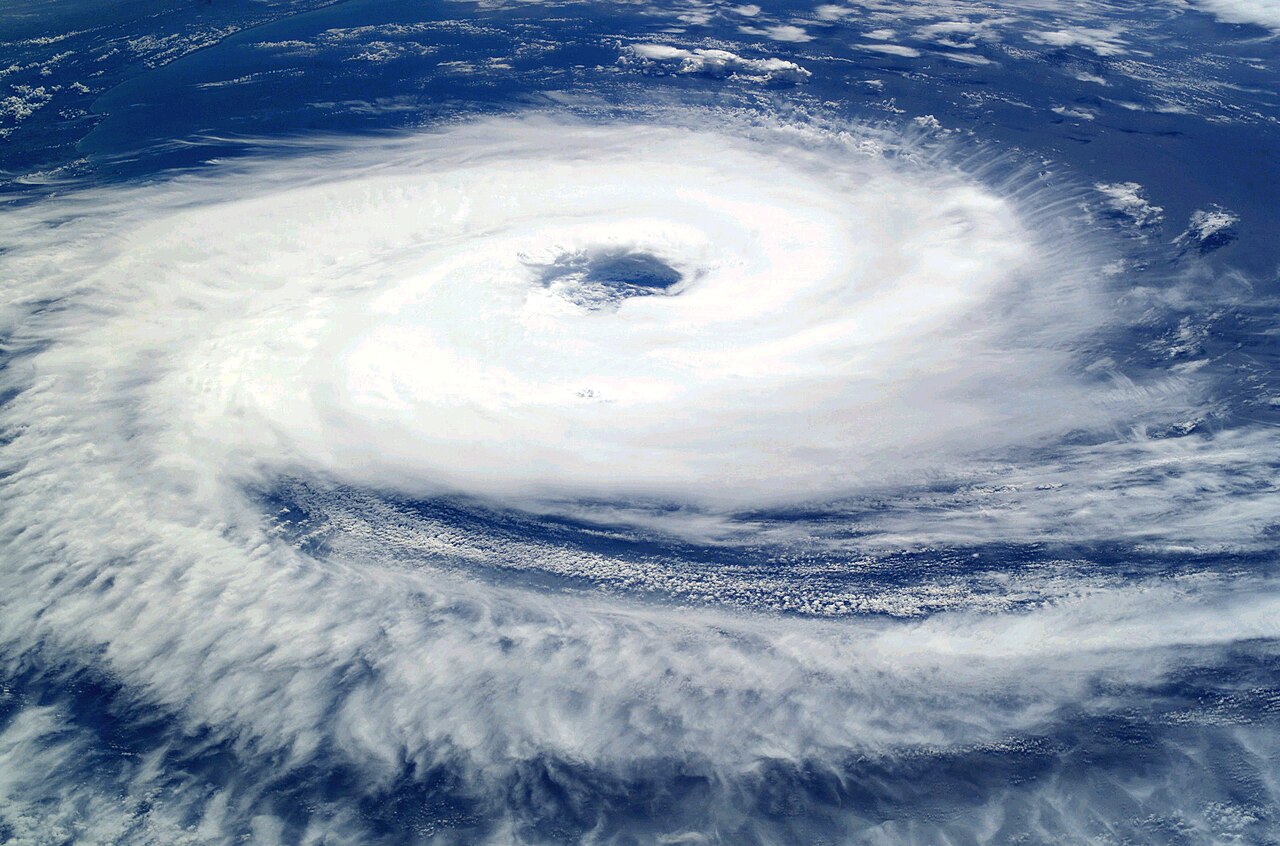
Meteorological synopsis
The system that became Klaus followed a typical tropical-hurricane trajectory across the eastern Caribbean. It reached minimal hurricane strength for a limited time and remained compact compared with larger Atlantic storms. While near peak intensity the center passed close to islands in the Lesser Antilles, bringing strong gusts, heavy rain, and coastal swells.
Areas affected and impacts
Klaus moved very close to islands such as Antigua and Martinique, where coastal flooding, localized wind damage, and the threat of landslides from heavy rainfall were the principal hazards. Reported estimates attribute roughly eleven fatalities to the storm overall. When the remnants of Klaus moved into the southeastern United States they coincided with Tropical Storm Marco; that combined situation was linked in reports to additional fatalities and localized impacts in the U.S. Southeast (Southeastern United States).
Damage and aftermath
Damage from Klaus was modest compared with major hurricanes; contemporary assessments put losses at just over one million U.S. dollars, largely from structural damage, debris removal, and emergency response. Recovery efforts focused on restoring utilities, repairing roofs and coastal infrastructure, and addressing localized flooding. The storm highlighted the vulnerability of small islands to even brief passages of tropical systems.
- Reported fatalities: approximately eleven directly associated with Klaus.
- Additional fatalities: reports cite further deaths when Klaus's remnants interacted with Tropical Storm Marco.
- Estimated damage: a little over $1 million (USD) in assessed losses.
Significance and lessons
Although not prominent in lists of destructive Atlantic hurricanes, Klaus illustrates several important points: compact, short-duration storms can still cause deadly floods and wind damage, and interactions between multiple tropical systems can amplify impacts in regions far from the original landfall. For further regional and historical details consult contemporary storm reports and season summaries: season overview, Antigua reports, Martinique bulletins, and U.S. regional impact summaries.
Questions and answers
Q: What year did Hurricane Klaus occur in?
A: Hurricane Klaus occurred in the 1990 Atlantic hurricane season.
Q: Was Hurricane Klaus a strong hurricane?
A: No, Hurricane Klaus was a weak hurricane.
Q: Which islands did Hurricane Klaus move very close to when it was a hurricane?
A: Hurricane Klaus moved very close to Antigua and Martinique.
Q: Did the remains of Hurricane Klaus affect the Southeastern United States?
A: Yes, the remains of Hurricane Klaus moved over the Southeastern United States.
Q: How many people were killed by Hurricane Klaus and Tropical Storm Marco combined?
A: Hurricane Klaus and Tropical Storm Marco killed 4 people.
Q: How much damage did Hurricane Klaus cause?
A: Hurricane Klaus caused a little bit more than $1 million in damage.
Q: Were more than 11 people killed by Hurricane Klaus alone?
A: No, Hurricane Klaus alone killed 11 people.
Related articles
Author
AlegsaOnline.com Hurricane Klaus (1990): brief history and impacts Leandro Alegsa
URL: https://en.alegsaonline.com/art/45942