
Hurricane Betsy (1965): Major Atlantic Hurricane and New Orleans Flooding
Hurricane Betsy (1965) — a major Atlantic storm that hit the Bahamas, Florida and Louisiana; powerful winds and storm surge flooded New Orleans via Lake Pontchartrain, causing historic damage, heavy losses and about 75 deaths.
Hurricane Betsy was a powerful and destructive storm of the 1965 Atlantic hurricane season that produced severe impacts across the Bahamas, Florida, and Louisiana. Its most damaging U.S. landfall occurred near the mouth of the Mississippi River, when storm surge and winds pushed the waters of Lake Pontchartrain into parts of New Orleans. At the time it became the costliest hurricane on record in the United States, and because insured and total losses exceeded one billion dollars it was widely called "Billion-Dollar Betsy". The storm affected the Lesser Antilles, passed near Miami, and later struck Louisiana; roughly 75 people lost their lives.
Image gallery
10 Images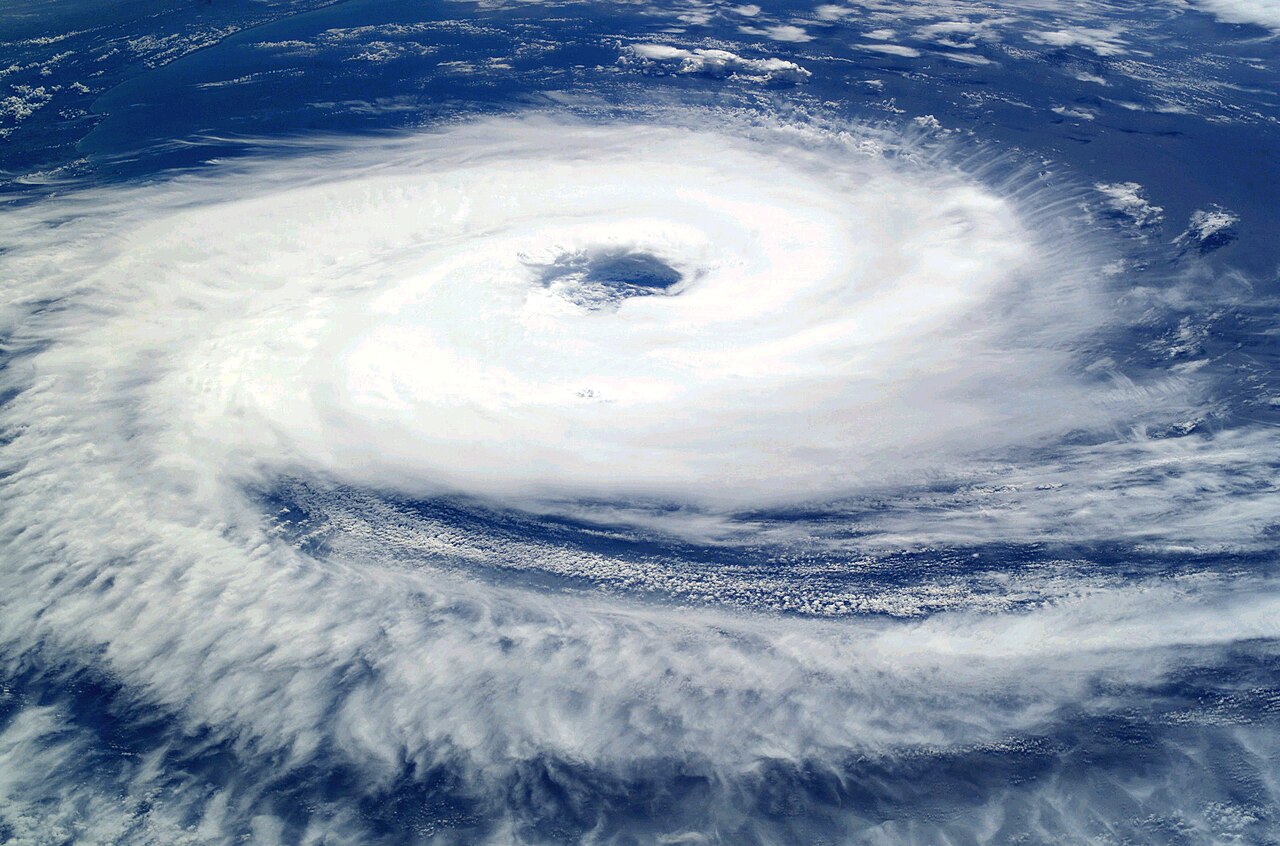


Track and intensity
Betsy developed during the late summer and followed a route through the eastern Caribbean into the Bahamas before moving toward the Florida peninsula and into the Gulf of Mexico. During its life it reached major hurricane strength, producing strong winds and a large storm surge that contributed to extensive coastal and inland flooding where it made landfall.
Impacts
The combination of high water levels and sustained winds caused widespread damage to homes, businesses, and infrastructure. Flooding from Lake Pontchartrain into New Orleans was particularly destructive, inundating neighborhoods and overwhelming local defenses. Overall, the storm resulted in heavy economic losses and a significant number of injuries and fatalities.
Areas affected
- Lesser Antilles
- Bahamas
- Florida (including the Miami area)
- Louisiana (coastal and low-lying areas)
- New Orleans (severe flooding from Lake Pontchartrain)
Legacy
Betsy’s extensive damage and the financial losses it produced marked a turning point in disaster awareness and preparedness for the regions affected. Because of the scale of destruction, the storm remains a notable event in the history of U.S. hurricanes and in records of the 1965 Atlantic hurricane season.
Related articles
Author
AlegsaOnline.com Hurricane Betsy (1965): Major Atlantic Hurricane and New Orleans Flooding Leandro Alegsa
URL: https://en.alegsaonline.com/art/45836