
Hurricane Diane (1955): catastrophic flooding on the U.S. East Coast
Hurricane Diane (August 1955) produced extreme rainfall and severe flooding across the U.S. East Coast, compounding earlier storms and prompting major relief, rebuilding, and retirement of the name.
Hurricane Diane was a powerful late‑summer storm in 1955 that produced exceptional rainfall and widespread flooding along the United States East Coast. Coming on the heels of other storms earlier that season, Diane caused severe property damage, major river floods in New England and the Mid‑Atlantic, and a high human toll. The destruction and memory of the storm led to the retirement of the name Diane from the list of Atlantic hurricane names.
Image gallery
9 Images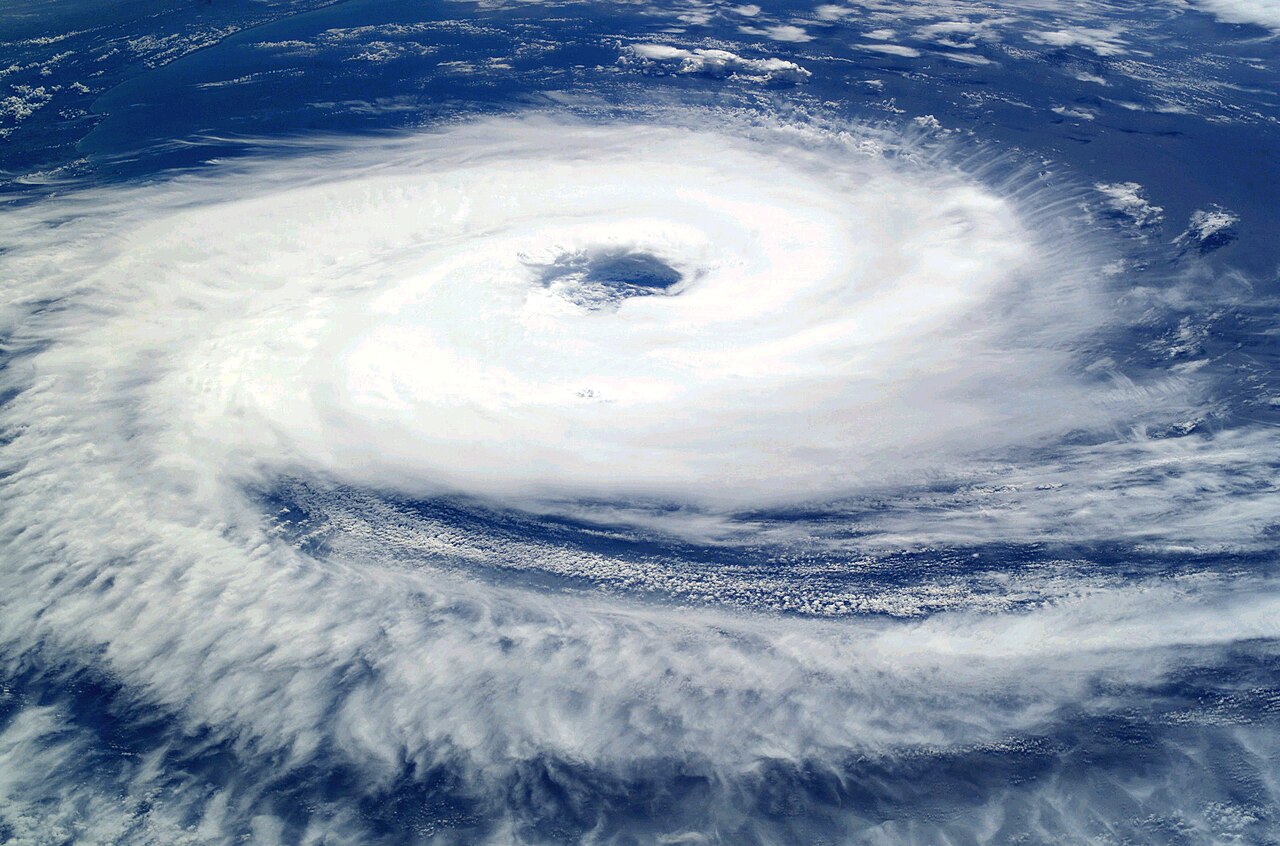




Meteorological summary
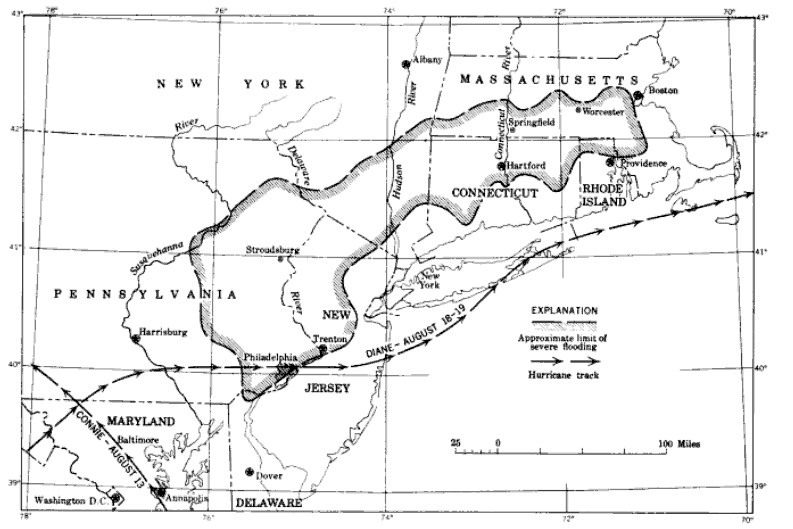
Diane developed as a tropical cyclone over the Atlantic in August 1955 and moved northward toward the U.S. East Coast. As the system interacted with a slow moving frontal zone and other weather features, it slowed and produced prolonged, heavy rainfall over coastal and inland areas. The combination of saturated ground from earlier storms and Diane's concentrated precipitation produced unusually severe flooding.
Impact and characteristics
Rather than damage from intense winds alone, Diane is best remembered for inland flooding and swollen rivers. Heavy rain fell across a broad corridor, causing bridges and roads to wash out, towns to be inundated, and utilities to fail. Transportation networks were disrupted and many residents were forced from their homes by rising waters.
- Affected regions included parts of the Mid‑Atlantic and New England states.
- Primary impacts were river flooding, mudslides in some upland areas, and extensive property and agricultural loss.
- The storm compounded effects of earlier 1955 hurricanes, increasing cumulative damage.
Response and recovery
Local, state and federal authorities mounted emergency relief and recovery operations, providing shelter, supplies and infrastructure repair. In the months and years after Diane, communities and governments examined flood control and land‑use practices; some areas accelerated construction of reservoirs, levees and other mitigation projects to reduce the risk of repeat disasters.
Historical significance and legacy
Diane is often cited in historical and meteorological discussions as an example of how heavy tropical rainfall — especially when a storm moves slowly or merges with other weather systems — can produce catastrophic inland flooding. Its occurrence shortly after other 1955 storms highlighted the risks of back‑to‑back events. For further historical context on the storm and its effects on the East Coast, contemporary reports and retrospective studies provide detailed local accounts and analysis.
Notable facts: the name Diane was retired after the 1955 season in recognition of the storm's severity. Today, Diane remains a case study used to illustrate flood risk, emergency planning, and the compounded impacts of sequential tropical cyclones.
Related articles
Author
AlegsaOnline.com Hurricane Diane (1955): catastrophic flooding on the U.S. East Coast Leandro Alegsa
URL: https://en.alegsaonline.com/art/45859