
Hurricane belt
The hurricane belt is the region of the Atlantic and adjacent waters where tropical cyclones commonly form and travel during the Atlantic hurricane season.
Overview
The term "hurricane belt" refers to the part of the Atlantic basin and nearby seas where tropical cyclones—called hurricanes in the Atlantic—are most likely to form and move. This region includes the tropical and subtropical Atlantic Ocean, the Caribbean Sea and the Gulf of Mexico. Climate drivers and seasonal patterns combine to create conditions favorable for storm development and for the steering of storms toward coastlines.
Image gallery
3 Images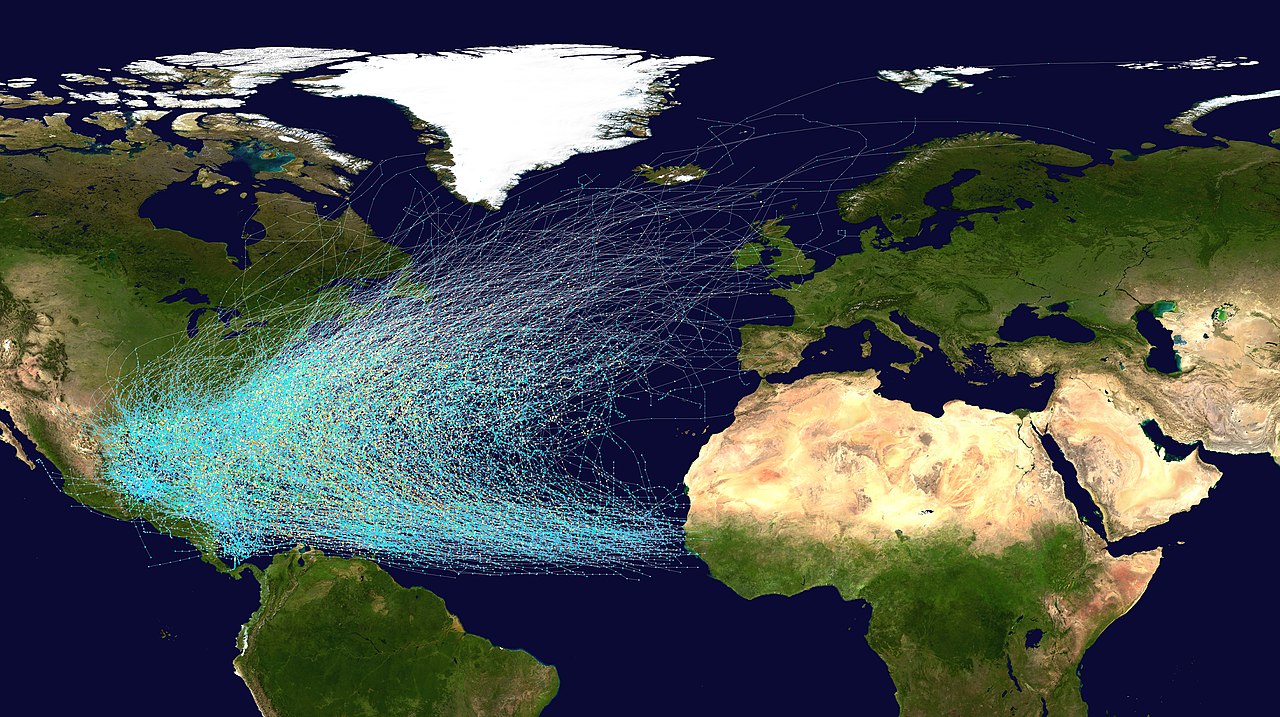

Formation and key characteristics
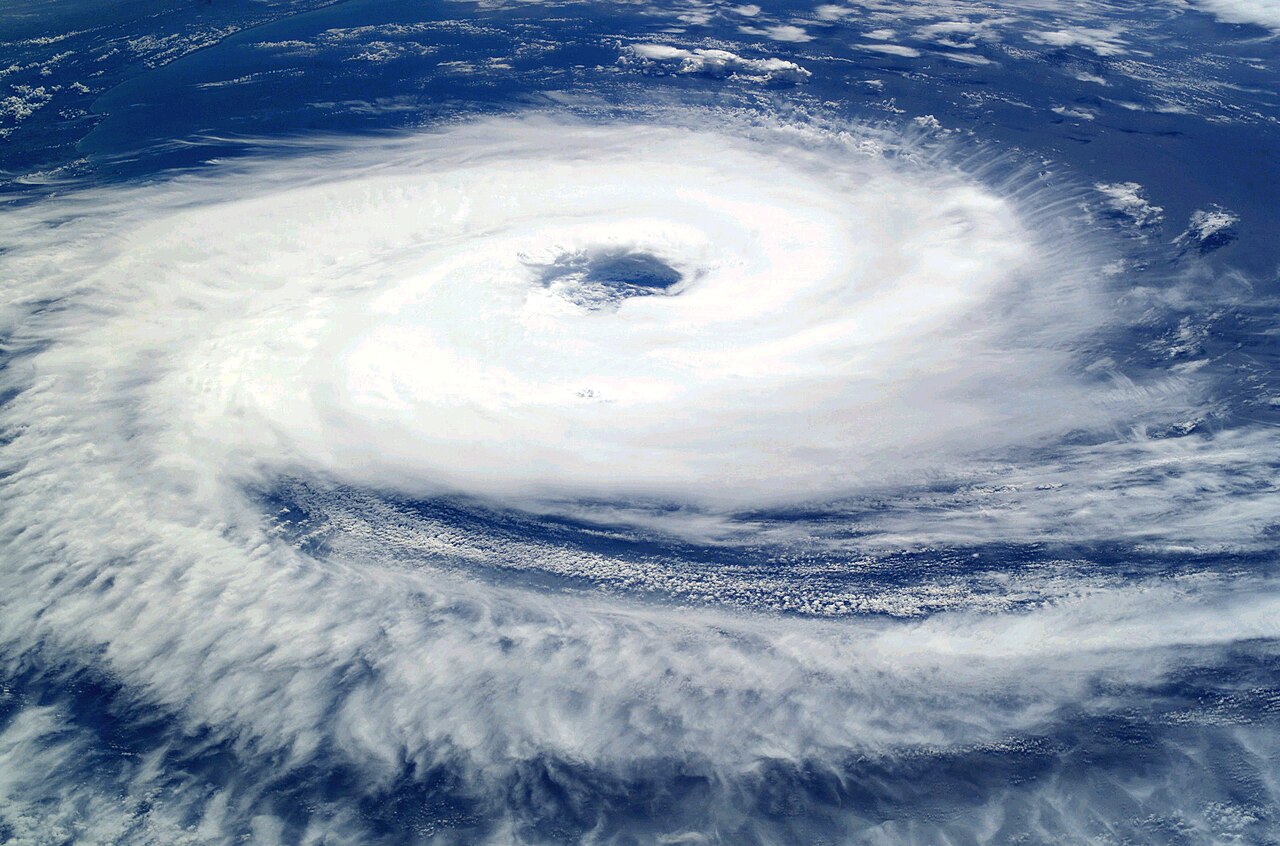
Hurricanes originate from organized areas of thunderstorms that acquire rotation and a closed circulation. Several environmental ingredients are typically required:
- Warm sea surface temperatures (generally above about 26.5°C) to supply heat and moisture.
- Sufficient Coriolis force to induce rotation, so storms usually form at least a few degrees away from the equator.
- Low vertical wind shear, which allows the system to stay vertically aligned and intensify.
- A pre-existing disturbance such as tropical waves moving off Africa, or disturbances in the monsoonal or subtropical flow.
Geographic extent and seasonality
The hurricane belt broadly spans the tropical Atlantic between roughly 5° and 30° north latitude, reaching from the eastern Atlantic near the coast of West Africa westward across the Caribbean and into the Gulf of Mexico. Peak activity occurs during the Atlantic hurricane season, which runs from early summer through late autumn, and reaches its highest frequency in late summer and early fall. For general seasonal guidance see the Atlantic hurricane season and maps of the Atlantic Ocean.
Impacts, examples and importance
Areas within the hurricane belt face periodic threats of high winds, heavy rainfall, flooding and storm surge. Countries and U.S. states situated along the belt—from island nations in the Caribbean to Gulf Coast and southeastern U.S. states—regularly prepare for and respond to tropical cyclone impacts. Forecasting and preparedness efforts, including early warning systems and building codes, aim to reduce loss of life and property damage.
Variability and notable facts
Activity within the hurricane belt varies from year to year under influences such as El Niño–Southern Oscillation and longer-term ocean temperature patterns. There is ongoing research on how gradual changes in global climate and ocean heat content may alter the frequency, intensity or geographic reach of storms. Understanding the belt's dynamics remains central to improving forecasts and community resilience.
Related articles
Author
AlegsaOnline.com Hurricane belt Leandro Alegsa
URL: https://en.alegsaonline.com/art/45833