
Hurricane Chantal (1989)
A Category 1 Atlantic hurricane that struck eastern Texas on August 1, 1989, causing casualties and significant coastal and inland flooding from the Gulf Coast into the Midwest.
Hurricane Chantal was a moderate but destructive tropical cyclone that made landfall along the upper Gulf Coast on August 1, 1989. Classified as a Category 1 storm on the Saffir–Simpson scale, Chantal produced damaging winds, heavy rainfall, and coastal flooding where it reached shore. Its impacts were felt most acutely in eastern Texas and parts of Louisiana, and its remnants later produced rainfall and localized flooding as far inland as the Chicago metropolitan area.
Image gallery
6 Images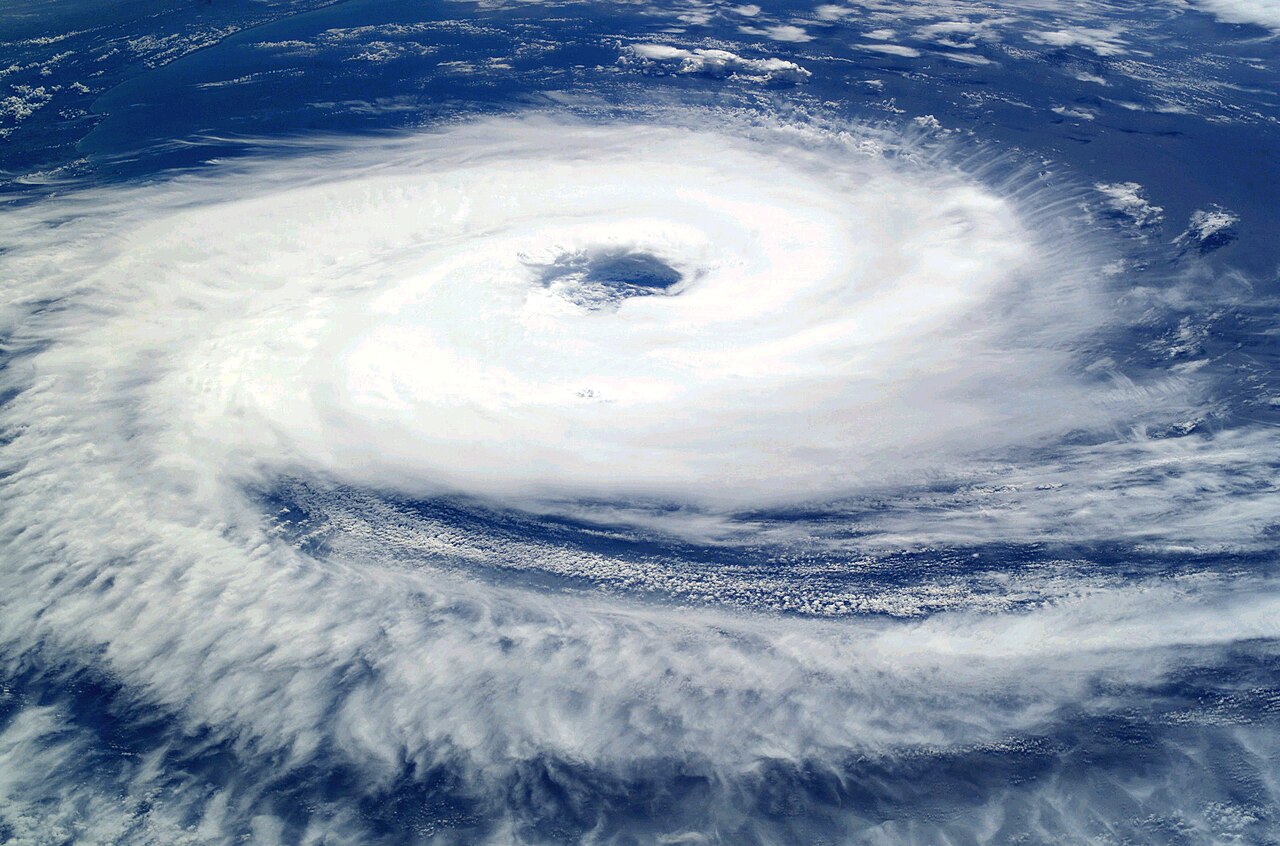


Meteorological characteristics
As a Category 1 hurricane, Chantal's sustained winds fell within the widely used range for that category (74–95 mph). Typical effects from storms of this intensity include roof and structural damage to weaker buildings, downed trees and power lines, and storm surge along exposed coastlines. Chantal moved from open water toward the Gulf Coast and weakened after landfall, with circulating rain bands continuing to produce severe weather inland as the system accelerated and transitioned into a remnant low.
Impacts and consequences
The storm caused thirteen fatalities and an estimated $100 million in damage across Texas and Louisiana. Coastal hazards included beach erosion, inundation of low-lying areas, and damage to marinas and waterfront property. Inland, heavy rain and embedded thunderstorms produced flash flooding and sporadic tornadoes typical of tropical cyclones interacting with mid-latitude weather systems.
Regional effects and inland flooding
- Landfall and Gulf Coast damage: Chantal struck eastern Texas on August 1, 1989, affecting communities near the point of landfall. See local reports for more detail: eastern Texas impact summary.
- Wider Gulf Coast losses: Combined losses in the Gulf region affected both Texas and Louisiana: regional damage overview.
- Remnant rainfall in the Midwest: Toward the end of its life cycle, the storm's remnants produced rainfall and localized flooding in the Chicago area: Midwest flooding notes.
Aftermath and significance
Chantal is remembered as an example of a storm whose most serious impacts were not only from wind but from water—both coastal surge and inland rainfall. It reinforced the need for evacuation planning in vulnerable coastal communities and highlighted how tropical systems can cause flooding far from their landfall location when their remnants interact with other weather systems.
For historical hurricane research, Chantal is often cited when studying moderate-intensity storms that nonetheless cause substantial economic loss and fatalities due to flooding, storm surge, and secondary hazards. Contemporary summaries and detailed post-storm reports are available through regional meteorological services and historical archives.
Related articles
Author
AlegsaOnline.com Hurricane Chantal (1989) Leandro Alegsa
URL: https://en.alegsaonline.com/art/45849