
Hurricane Alex (2010): June Atlantic Hurricane and Mexico Landfall
Overview and impacts of Hurricane Alex (2010), a rare June Atlantic hurricane that formed early in the season and made landfall in northeast Mexico, causing fatalities, flooding and substantial damage.
Overview
Hurricane Alex was the first named system of the 2010 Atlantic hurricane season and a rare example of a hurricane forming in June. The system initially affected parts of Central America and the western Caribbean before moving into the northwestern Gulf of Mexico, where it strengthened and eventually made landfall in northeast Mexico. Alex produced heavy rain, flooding, and wind damage across several countries and was responsible for dozens of deaths and nearly $1.9 billion in damage (2010 USD).
Image gallery
10 Images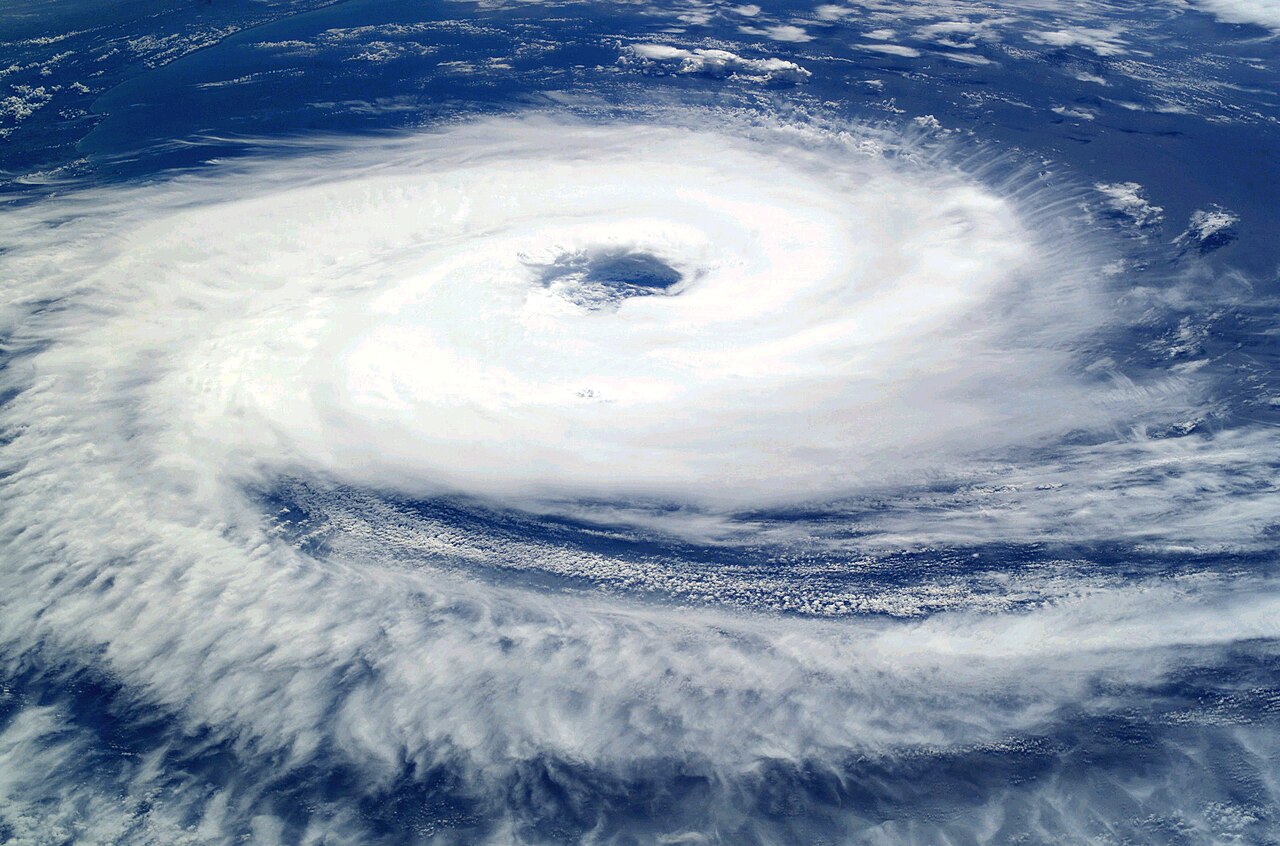



Meteorological development
The storm began as a tropical disturbance that organized into a tropical cyclone early in the season; it is commonly referenced as the first tropical cyclone of 2010 in official records. Alex was the first hurricane to reach that intensity in June since Hurricane Allison in 1995, showing that significant cyclone development can occur well before the climatological peak months of August and September. After making an early pass near Belize as a tropical storm, Alex moved across the western Caribbean and into the Gulf, where environmental conditions allowed further intensification.
Characteristics and behavior
Alex's structure featured strong convective bands and heavy rainfall concentrated near its center, with periods of intensification while over the warm Gulf waters. Forecasters tracked a combination of ocean temperatures, atmospheric moisture, and steering currents to predict its path and intensity. The rapid organization over the Gulf led to its upgrade to hurricane status before it moved ashore, accompanied by strong winds and widespread rain.
Impacts and human toll
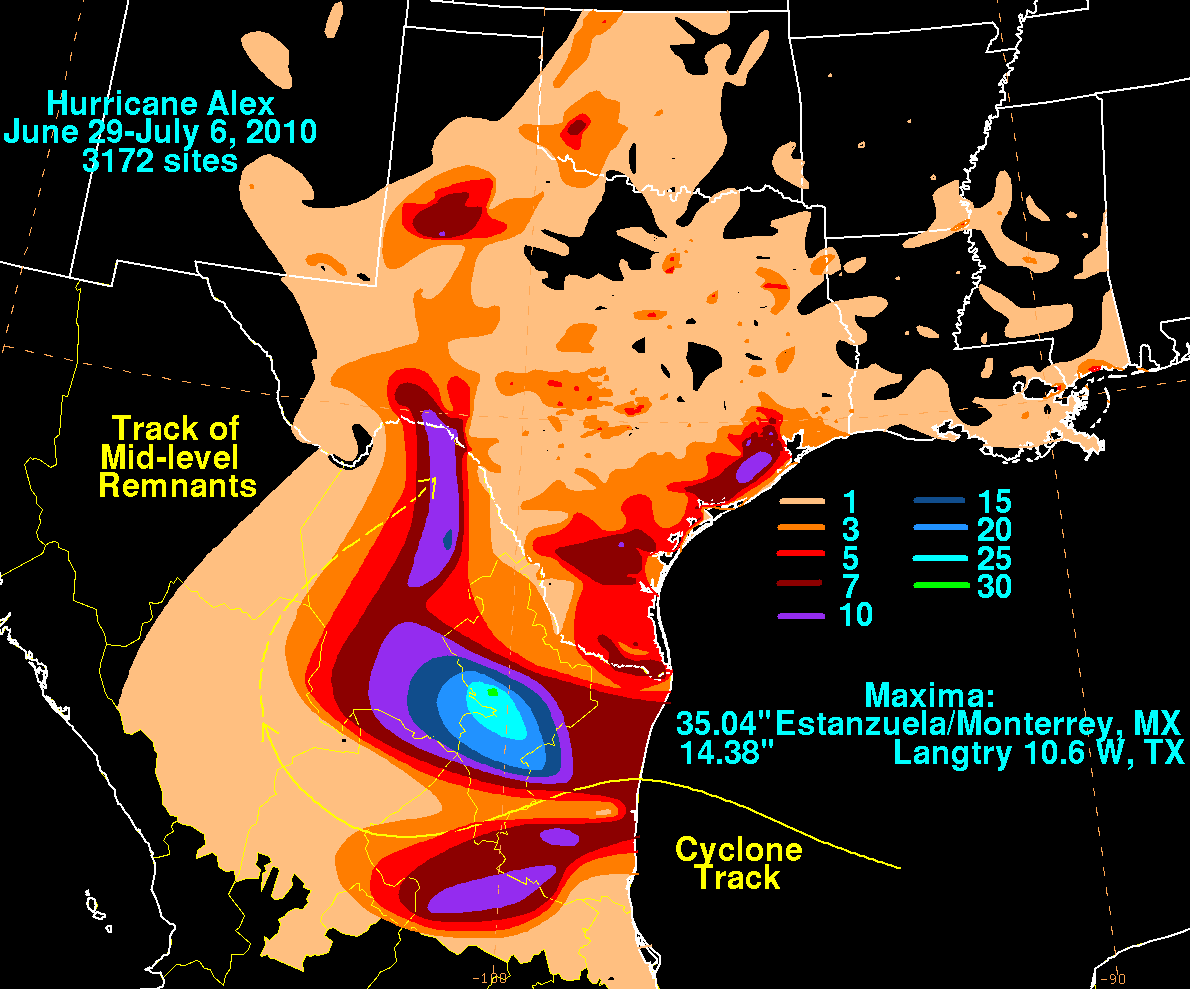
Alex affected multiple countries. The storm first struck the Central American coast near Belize as a tropical storm, producing localized flooding and damage. When it made landfall in northeastern Mexico, the combination of storm surge and heavy rain produced coastal flooding, river overflows, and landslides in mountainous terrain. Overall reports attributed 51 deaths to the event, 33 of them direct, and estimated nearly $1.9 billion in economic losses. Communities experienced damaged homes, disrupted transportation, and prolonged power outages.
Preparations, response, and aftermath
Authorities issued watches and warnings in advance, and evacuation orders or sheltering recommendations were used in vulnerable coastal and low-lying areas. Emergency services and relief organizations focused on restoring critical infrastructure, clearing roads, and delivering aid to flooded communities. The storm highlighted the importance of early warnings and preparedness, particularly for water-related hazards such as river flooding and mudslides.
Notable facts and legacy
Alex is notable for its timing and impacts. As a June hurricane it was uncommon in the Atlantic basin, emphasizing that the official season's early months can still produce strong storms. The storm's effects on communities, infrastructure, and agriculture prompted reviews of coastal preparedness and flood mitigation measures in affected regions. Researchers and emergency managers continue to study events like Alex to improve forecasting and resilience against similarly timed tropical cyclones in future seasons. Additional background and technical details are available in season summaries and post-storm reports from meteorological agencies and regional authorities (season summary, regional assessments) and country-level emergency briefings (Gulf region reports, Mexico impact summaries).
Related articles
Author
AlegsaOnline.com Hurricane Alex (2010): June Atlantic Hurricane and Mexico Landfall Leandro Alegsa
URL: https://en.alegsaonline.com/art/45823