
Hurricane Bonnie (1998): overview, path, and impacts
Hurricane Bonnie was a late‑August 1998 Atlantic storm that peaked as a major hurricane and made landfall near Wilmington and Cape Fear, North Carolina, causing deaths and about $1 billion in damage.
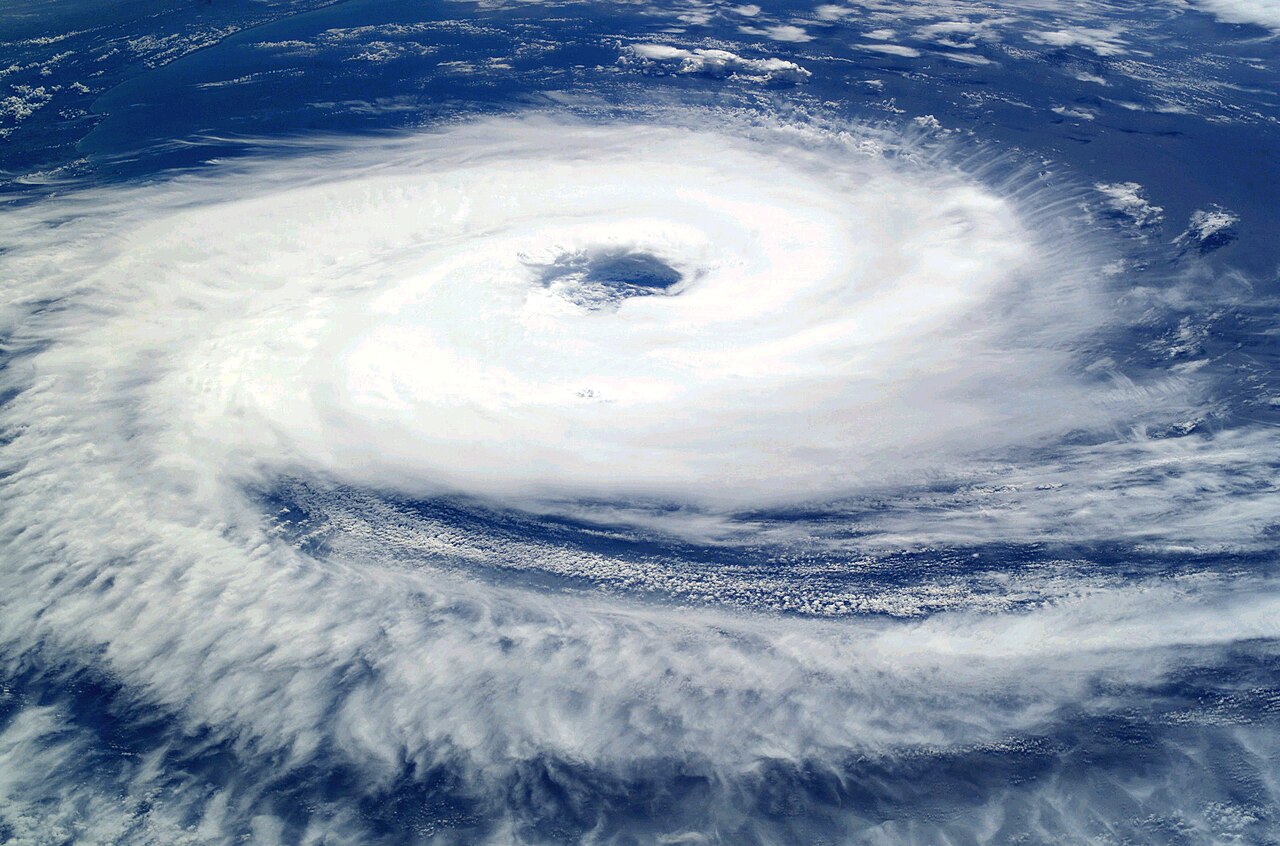
Hurricane Bonnie was a powerful Atlantic tropical cyclone that affected the southeastern United States in late August 1998. At its peak the storm reached major‑hurricane strength with maximum sustained winds near 115 miles per hour (185 kilometres per hour). Forecasters tracked Bonnie as it approached the U.S. East Coast and issued warnings and watches for coastal communities.
Image gallery
10 Images






Characteristics and track
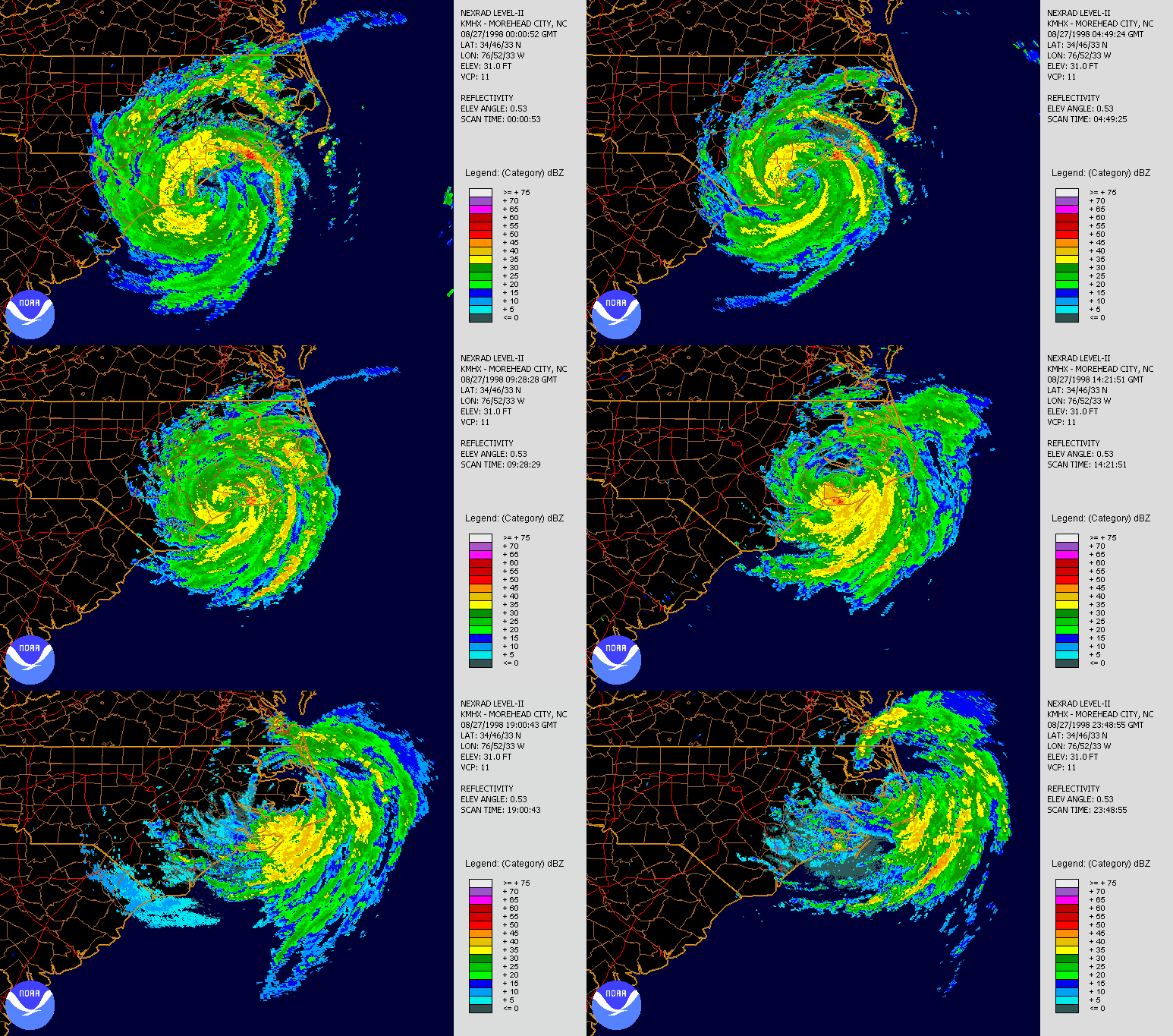
Bonnie intensified to a major hurricane over the western Atlantic before weakening slightly prior to landfall. Although it attained Category 3 intensity at peak, the system made landfall early on August 27 as a strong Category 2 hurricane near Wilmington and the Cape Fear area. The storm also produced damaging winds and coastal flooding in parts of North Carolina and generated impacts farther north into southeastern Virginia. As a tropical cyclone, Bonnie was monitored by national agencies and local authorities who issued evacuation orders, maritime warnings, and readiness advisories (tropical cyclone, forecasts and advisories).
Impacts and damage
Bonnie caused a combination of wind damage, storm surge along the coast, localized flooding, and widespread power outages. Officials attributed five fatalities to the storm, two of which were direct. Economic losses were substantial: insured and uninsured damages were reported near $1 billion. Residential and commercial structures, utilities, and transportation routes sustained damage, and cleanup and repairs continued in affected communities for weeks after the storm.
Response, recovery, and notable facts
Emergency management agencies coordinated evacuations, sheltering, and immediate relief efforts in coastal and inland counties. Recovery included debris removal, power restoration, and rebuilding of damaged infrastructure. Bonnie is often noted in regional hazard records for being a late‑August hurricane that strengthened to major intensity offshore but produced most of its destruction as a Category 2 at landfall. Post‑storm assessments helped refine future forecast communication and preparedness measures.
Quick facts
- Peak intensity: near 115 mph (185 km/h) — major hurricane status.
- Landfall: early August 27 near Wilmington / Cape Fear.
- Areas affected: coastal North Carolina, southeastern Virginia, and nearby regions.
- Casualties and losses: five deaths (two direct); damage near $1 billion.
- Resources: official storm summaries and advisories provide detailed timelines and maps (tropical cyclone, post‑storm reports).
Questions and answers
Q: When did Hurricane Bonnie occur?
A: Hurricane Bonnie occurred in late August 1998.
Q: What was the strength of Hurricane Bonnie?
A: Hurricane Bonnie was a major hurricane with winds near 115 miles per hour (185 kilometres per hour).
Q: Where did Hurricane Bonnie make landfall?
A: Hurricane Bonnie made landfall near Wilmington and Cape Fear, North Carolina.
Q: What category hurricane was Bonnie when it made landfall?
A: When it made landfall, Bonnie was a strong Category 2 hurricane.
Q: Did Hurricane Bonnie cause damage outside North Carolina?
A: Yes, Hurricane Bonnie also caused damage in southeastern Virginia.
Q: How many people were killed by Hurricane Bonnie?
A: Hurricane Bonnie killed five people, two directly.
Q: How much damage did Hurricane Bonnie cause?
A: Damage from Hurricane Bonnie was near $1 billion.
Related articles
Author
AlegsaOnline.com Hurricane Bonnie (1998): overview, path, and impacts Leandro Alegsa
URL: https://en.alegsaonline.com/art/45840
Sources
- vaemergency.com : "Virginia Hurricanes"