
Hurricane Alma (1966)
June 1966 Atlantic hurricane that struck western Cuba and the U.S. Southeast, producing peak winds near 125 mph, causing nearly 100 deaths and about $210 million in damage; the name was not retired.
Overview
Hurricane Alma was an Atlantic tropical cyclone in June 1966 that produced destructive winds, heavy rain, and significant loss of life. Forming unusually early in the hurricane season, Alma intensified to a major hurricane with peak sustained winds near 125 mph. The storm made a damaging passage across parts of the Caribbean and the southeastern United States, and its impacts were felt across multiple countries and states.
Image gallery
8 Images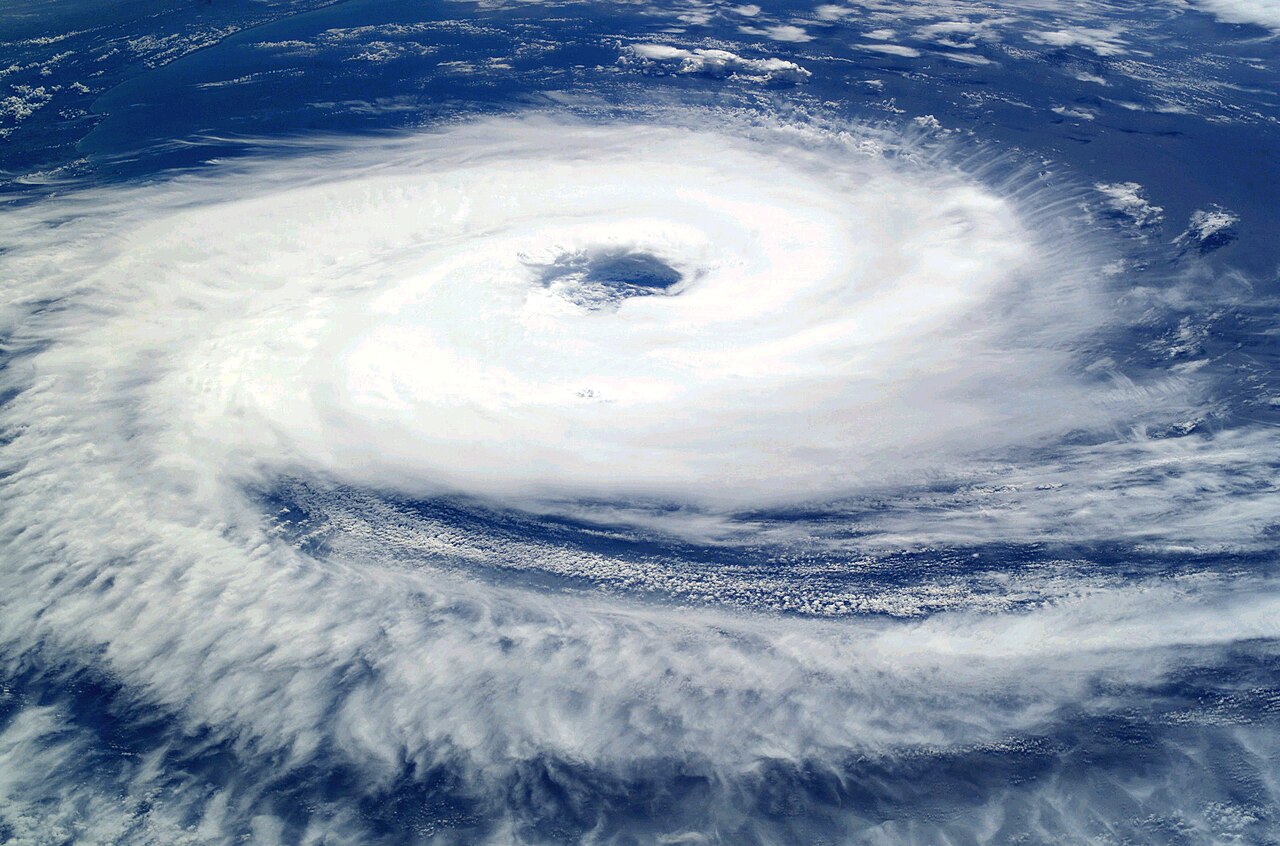


Meteorological characteristics
Alma reached peak winds of about 125 mph, placing it within the major-hurricane range on the Saffir–Simpson scale (Category 3). Early-season hurricanes like Alma are less common than those later in the summer and fall; their development is influenced by warm ocean temperatures, atmospheric instability, and favorable wind patterns. As with many hurricanes, hazards associated with Alma included destructive winds, heavy rainfall that produced flooding, and coastal surge in low-lying areas.
Impacts and human toll
The storm struck western Cuba before moving toward the Southeastern United States. Contemporary reports attributed nearly 100 deaths to the storm and an estimated $210 million in property and infrastructure damage (values reported at the time). Casualties and damage resulted from a combination of collapsed structures, downed trees and power lines, inland and coastal flooding, and maritime incidents.
Aftermath and response
- Emergency response focused on search and rescue, restoring utilities, and providing shelter to displaced residents.
- Recovery required repair of roads, homes, and public services; rebuilding efforts varied by locality and available resources.
- Monetary damage estimates reflect 1960s dollars and do not account for later inflation or updated valuations.
Historical notes and significance
Although Alma caused substantial destruction and a high death toll, the name "Alma" was not retired from the Atlantic naming lists after the season. Name retirement typically occurs when a storm is especially deadly or costly and continued use would be insensitive; however, not all impactful storms have had their names retired. Alma remains notable for its strength in June and for the widespread impacts it produced across international and domestic territories.
For study and reference, Alma serves as an example of an early-season major hurricane whose combination of wind, water, and timing produced serious humanitarian and economic consequences. Its record illustrates the range of hazards associated with tropical cyclones and the importance of preparedness even outside the climatological peak months.
Related articles
Author
AlegsaOnline.com Hurricane Alma (1966) Leandro Alegsa
URL: https://en.alegsaonline.com/art/45826